Understanding Depression in Older Adults
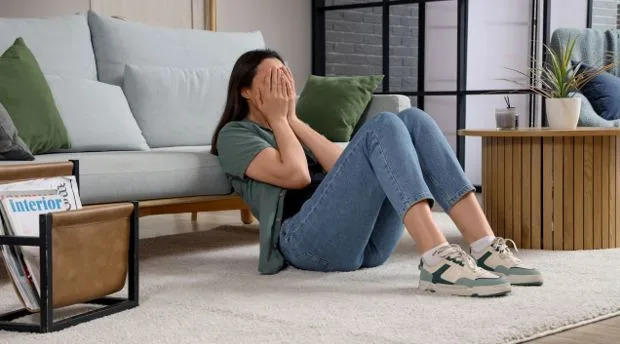
Depression is not a normal part of aging. Still, many older adults struggle with it every day. Often, the signs are missed or misunderstood. As a result, many seniors suffer in silence. This makes the topic of GERIATRICS Depression very important to talk about openly and clearly.
In many families, emotional health is not discussed enough. Because of that, GERIATRICS Depression can stay hidden for years. However, when people learn the causes and signs, they can take action early. This can greatly improve quality of life.
What Is Depression in Older Adults?
Depression is a mood disorder. It affects how a person feels, thinks, and acts. In older adults, it may look different than it does in younger people. For example, seniors may complain more about physical pain than sadness.
Also, many older adults believe feeling low is “just part of getting older.” That belief is not true. Depression is a medical condition, and it can be treated at any age.
Common Causes of Depression in Seniors
There is no single cause. Instead, depression often develops due to several factors working together. These factors may build up slowly over time.
Some common causes include:
- Loss of a spouse or close friends
- Chronic illness or long-term pain
- Reduced mobility or independence
- Loneliness or social isolation
In addition, retirement can also play a role. While retirement brings free time, it can also lead to a loss of purpose. As a result, some seniors begin to feel disconnected.
Signs and Symptoms to Watch For
The symptoms of depression in older adults can be subtle. Because of this, they are often overlooked. Family members may assume changes are related to aging, not mental health.
However, it is important to notice signs such as:
- Ongoing sadness or emptiness
- Loss of interest in hobbies
- Changes in sleep or appetite
- Low energy and fatigue
Meanwhile, some seniors may become more irritable. Others may withdraw from social activities. These changes should never be ignored.
Why Depression Is Often Missed
Depression in seniors is often underdiagnosed. One reason is that older adults may not talk about their feelings. Instead, they may focus on physical symptoms.
Also, doctors may focus more on physical health issues. As a result, emotional struggles are sometimes pushed aside. This is why awareness of GERIATRICS Depression matters so much in both families and healthcare settings.
At the same time, stigma plays a role. Many seniors grew up in a time when mental health was not openly discussed. Because of this, they may feel embarrassed asking for help.
The Impact on Daily Life
Depression affects more than mood. It can change how a person lives day to day. For example, it may reduce motivation to eat well, exercise, or take medication correctly.
Over time, untreated depression can:
- Lower immune function
- Increase the risk of other illnesses
- Reduce independence
- Affect memory and focus
Because of these effects, addressing GERIATRICS Depression early can protect both mental and physical health.
How Depression Is Diagnosed
Diagnosis usually starts with a conversation. A doctor or mental health professional will ask about mood, habits, and daily life. They may also use simple screening tools.
In addition, medical tests may be done. This helps rule out other conditions that can mimic depression, such as thyroid problems or vitamin deficiencies.
Most importantly, honest communication is key. When seniors feel safe to speak openly, diagnosis becomes much easier.
Treatment Options That Help
The good news is that depression is treatable. Many older adults feel better with the right support and care.
Common treatment options include:
- Talk therapy, such as counseling
- Medication when appropriate
- Lifestyle changes like gentle exercise
- Social engagement and support
Often, a combination of treatments works best. For example, therapy plus regular social activity can lead to steady improvement.
The Role of Family and Caregivers
Family members play a huge role in recovery. Simply listening can make a difference. Encouragement also helps seniors seek professional care.
Caregivers should:
- Check in regularly
- Encourage routines
- Watch for mood changes
- Support treatment plans
By staying involved, families can help reduce the burden of depression and improve outcomes.
Simple Ways to Support Mental Health
Small steps can lead to big changes. Even simple daily habits help protect emotional health.
Helpful actions include:
- Staying socially active
- Getting fresh air and sunlight
- Maintaining a regular sleep schedule
- Finding purpose through hobbies or volunteering
Over time, these habits can lift mood and restore confidence.
Why Awareness Matters
When people talk openly about mental health, stigma fades. This is especially true for GERIATRICS Depression, which is often misunderstood.
Education helps families recognize early signs. It also helps seniors understand they are not weak or alone. Instead, they are facing a common and treatable condition.
Because of awareness, more seniors can get help sooner. This leads to better health and a better quality of life.
Final Thoughts
Depression in older adults deserves attention, care, and compassion. It is not a personal failure, and it is not a normal part of aging. With the right support, recovery is possible.
By understanding GERIATRICS Depression, families and caregivers can respond with empathy. By talking about GERIATRICS Depression openly, society can reduce stigma and encourage healing. In the end, emotional well-being is just as important as physical health—at every stage of life.