Understanding Diabetes in Older Adults: A Simple Guide
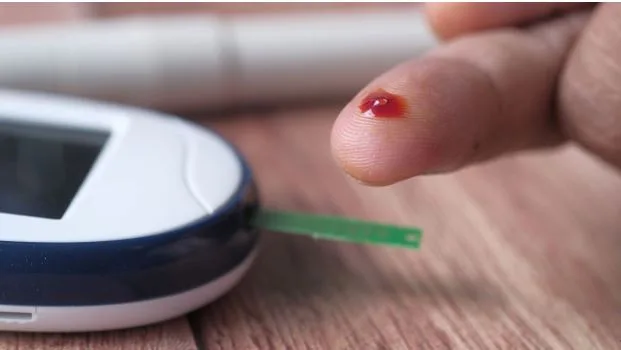
Getting older comes with its own set of challenges. One health concern that affects many seniors is diabetes. This condition changes how your body handles sugar, and it needs careful attention as we age.
Let’s talk about what diabetes means for older adults and how to manage it better.
What Is Diabetes Mellitus?
GERIATRICS Diabetes Mellitus refers to a condition where blood sugar levels stay too high. Your body either doesn’t make enough insulin or can’t use it properly. Insulin is like a key that helps sugar enter your cells for energy.
When you’re older, your body changes. These changes can make diabetes trickier to handle. Your pancreas might not work as well. Your cells might resist insulin more than before. Even your kidneys process things differently.
Many seniors don’t realize they have diabetes at first. The signs can be subtle. You might feel tired more often. Perhaps you’re thirstier than usual. Some people need to use the bathroom more frequently, especially at night.
Why Diabetes Affects Seniors Differently
Aging bodies respond to diabetes in unique ways. Older adults often deal with other health problems too. You might have heart issues, high blood pressure, or kidney concerns. All these conditions interact with diabetes.
Some key differences include:
- Memory problems can make it harder to remember medications
- Vision changes might affect reading blood sugar monitors
- Reduced sensation in hands and feet makes testing more difficult
- Other medications can interfere with diabetes treatment
The risk of low blood sugar is bigger in seniors. This happens because older bodies don’t always send clear warning signals. You might not feel shaky or sweaty like younger people do. By the time you notice something’s wrong, your blood sugar could be dangerously low.
GERIATRICS Diabetes Mellitus management requires a gentler approach. Doctors often set different blood sugar targets for older patients. The goal is balance. You want good control without risking dangerous drops in sugar levels.
Common Signs You Shouldn’t Ignore
Recognizing diabetes symptoms early makes a real difference. Unfortunately, many seniors dismiss warning signs as normal aging.
Unexplained weight loss is one red flag. If you’re eating normally but losing pounds, that’s worth checking. Frequent infections that won’t heal properly are another clue. Cuts and bruises might take longer to get better.
Blurry vision troubles many people with uncontrolled diabetes. High blood sugar affects the lens in your eye. This makes it hard to focus. The good news is that proper treatment often improves vision.
Tingling or numbness in your feet and hands signals nerve damage. This complication develops when blood sugar stays high for too long. Catching it early prevents more serious problems down the road.
Types of Diabetes in Seniors
Most older adults have Type 2 diabetes. This type develops gradually over many years. Your body still makes insulin, but it doesn’t work effectively anymore. Lifestyle factors play a big role here.
Type 1 diabetes is less common in seniors but can happen. With this type, your pancreas stops making insulin completely. You need insulin injections to survive. Some people develop it later in life, though it usually starts in childhood.
There’s also something called secondary diabetes. This happens when other conditions or medications trigger diabetes. Steroids, for example, can raise blood sugar levels significantly.
Managing GERIATRICS Diabetes Mellitus means understanding which type you have. Each requires different treatment approaches. Your doctor will run tests to figure out the best plan for you.
Daily Management Tips That Actually Work
Living with diabetes doesn’t mean giving up everything you enjoy. However, it does require some adjustments to your daily routine.
Eating regular meals helps keep blood sugar stable. Skipping meals can cause dangerous drops. Try eating at roughly the same times each day. This predictability helps your body process sugar better.
Checking your blood sugar regularly gives you valuable information. Most people test before meals and at bedtime. Keep a simple log of your numbers. This helps you and your doctor spot patterns.
Taking medications exactly as prescribed matters more than you might think. Set phone alarms if you forget doses. Use a pill organizer to stay organized. Ask your pharmacist about easier-to-open bottles if arthritis bothers you.
Food Choices for Better Blood Sugar Control
You don’t need a complicated diet plan. Simple changes make a real impact on blood sugar levels.
Choose whole grains over white bread and pasta. Brown rice, oatmeal, and whole wheat products digest slower. This prevents sudden spikes in blood sugar. They also keep you feeling full longer.
Fill half your plate with vegetables at each meal. Green leafy vegetables, broccoli, and carrots are excellent choices. They’re low in calories and packed with nutrients. Plus, they add color and crunch to your meals.
Protein is important for seniors with GERIATRICS Diabetes Mellitus. Lean meats, fish, eggs, and beans help maintain muscle mass. They also slow down how quickly your body absorbs sugar from meals.
Watch portion sizes rather than banning foods completely. You can still enjoy treats occasionally. The key is moderation and planning. If you want dessert, maybe have a smaller dinner portion.
Staying Active Safely
Exercise helps your body use insulin better. You don’t need to run marathons or lift heavy weights. Simple activities work wonderfully for blood sugar control.
Walking is perfect for most seniors. Start with just ten minutes if that’s all you can manage. Gradually work up to thirty minutes most days. Walk around your neighborhood or at a local mall.
Chair exercises offer a great option if mobility is limited. You can strengthen muscles and improve flexibility while sitting. Many senior centers offer classes specifically designed for older adults.
Swimming and water aerobics are easy on joints. The water supports your body weight. This makes movement less painful if you have arthritis. Many community pools have senior swim times.
Always check your blood sugar before exercising. Keep a snack handy in case levels drop. Tell your doctor about any new exercise plans. They might need to adjust your medications.
Working With Your Healthcare Team
Regular checkups catch problems before they become serious. See your doctor at least every three months if you have diabetes. These visits track how well your treatment is working.
Eye exams should happen yearly. Diabetes can damage blood vessels in your eyes. Early detection prevents vision loss. An eye specialist can spot changes before you notice any symptoms.
Foot checks are crucial with GERIATRICS Diabetes Mellitus. Reduced sensation means you might not feel injuries. Inspect your feet daily for cuts, blisters, or redness. See a podiatrist regularly for professional care.
Blood tests measure your average sugar levels over several months. The A1C test gives your doctor this important information. It shows whether your current treatment plan is effective.
Conclusion
Managing diabetes as you get older takes effort but it’s absolutely doable. Understanding how GERIATRICS Diabetes Mellitus affects your body helps you take better care of yourself. Small, consistent changes in diet, activity, and medication habits add up to better health. Work closely with your healthcare team and don’t hesitate to ask questions. Your golden years can still be healthy, active, and fulfilling with proper diabetes management.