Managing High Blood Pressure in Older Adults: A Simple Guide
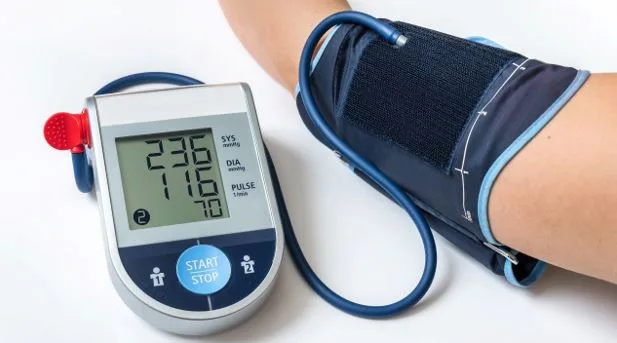
High blood pressure is something many older people deal with every day. It’s not just a number on a monitor. It affects how you feel and how well your body works. When you get older, your blood vessels change. They become stiffer. This makes your heart work harder to push blood through your body.
Most people don’t feel anything when their blood pressure is high. That’s why doctors call it the silent killer. You might feel fine while your arteries are under stress. This is why regular checkups matter so much for seniors.
Why Blood Pressure Goes Up as We Age
Your body changes as you grow older. The walls of your arteries get thicker and less flexible. Think of a garden hose that’s been left in the sun too long. It becomes rigid and cracks easily. Your arteries do something similar over time.
Also, your kidneys don’t work as well as they used to. They help control blood pressure by managing salt and water in your body. When they slow down, fluid builds up. This extra fluid puts more pressure on your blood vessel walls.
Common reasons for high blood pressure in seniors:
- Stiff arteries from aging
- Kidney function slowing down
- Less physical activity
- Weight gain over the years
- Too much salt in the diet
Many older adults take several medications for different health problems. Some of these medicines can actually raise blood pressure. Pain relievers, cold medicines, and even some supplements can be culprits. Therefore, it’s important to tell your doctor about everything you take.
What the Numbers Actually Mean
You’ve probably seen two numbers when your blood pressure gets checked. The top number is called systolic pressure. It measures the force when your heart beats. The bottom number is diastolic pressure. This shows the pressure when your heart rests between beats.
For most older adults, doctors want to see numbers below 130/80. However, this can vary based on your overall health. Some seniors with other health issues might have different target numbers. Your doctor will tell you what’s right for you.
Understanding GERIATRICS Hypertension means knowing these numbers and what they mean for your health. High readings put stress on your heart, brain, and kidneys. Over time, this stress can lead to serious problems like heart attacks or strokes.
Simple Changes That Really Help
You don’t always need medicine to lower your blood pressure. Small changes in daily habits can make a real difference. Start with what you eat. Cutting back on salt is one of the easiest ways to see improvement.
Processed foods contain hidden salt. Canned soups, frozen dinners, and deli meats are major sources. Instead, cook fresh foods at home when you can. Use herbs and spices for flavor instead of salt. Your taste buds will adjust within a few weeks.
Moving your body helps too. You don’t need to run marathons. A simple walk around the block does wonders. Try to move for 30 minutes most days of the week. Gardening counts. So does dancing in your living room. Find something you enjoy so you’ll stick with it.
Easy lifestyle changes:
- Eat more fruits and vegetables
- Limit alcohol to one drink per day
- Quit smoking if you still do
- Manage stress with deep breathing
- Get enough sleep each night
Stress affects blood pressure more than many people realize. When you worry, your body releases hormones that make your heart beat faster. Learning to relax can help. Some seniors find relief through meditation or prayer. Others enjoy hobbies that calm their minds.
When Medicine Becomes Necessary
Sometimes lifestyle changes aren’t enough. That’s okay. Medicine can help control GERIATRICS Hypertension when diet and exercise fall short. Many different types of blood pressure drugs exist. Each works in a different way.
Water pills, also called diuretics, help your kidneys remove extra fluid. This reduces the volume of blood your heart has to pump. ACE inhibitors help blood vessels relax and open wider. Beta blockers slow your heart rate. Calcium channel blockers relax blood vessel walls.
Your doctor might try different medicines before finding the right one. Don’t get discouraged if the first one doesn’t work perfectly. Everyone’s body responds differently. Give each medicine time to work before switching.
Taking medicine correctly is crucial. Set up a system so you don’t forget doses. Use a pill organizer or set phone reminders. Missing doses can make your blood pressure swing up and down. This is hard on your body.
Monitoring at Home
Checking your blood pressure at home gives you and your doctor better information. Readings at the doctor’s office can be higher because people feel nervous there. Home monitoring shows what’s really happening day to day.
Get a good quality automatic blood pressure cuff. Check it at the same times each day. Morning and evening work well for most people. Keep a record of your numbers to show your doctor.
Make sure you’re doing it right. Sit quietly for five minutes before checking. Rest your arm on a table at heart level. Don’t talk during the reading. These small details make your numbers more accurate.
Understanding your condition helps you manage GERIATRICS Hypertension better. Knowledge gives you power over your health. You learn what makes your numbers go up or down. Then you can make smart choices.
Working With Your Doctor
Be honest with your doctor about everything. Tell them if you’re not taking medicine as prescribed. Mention if you’re having side effects. They can’t help if they don’t know what’s happening.
Bring your home blood pressure log to appointments. Write down any questions before you go. It’s easy to forget what you wanted to ask once you’re in the exam room.
Ask about your other health conditions too. Diabetes, kidney disease, and heart problems all connect to blood pressure. Managing one helps manage the others. Your treatment plan should look at your whole health picture.
Moving Forward With Confidence
Living with high blood pressure doesn’t mean giving up the things you love. It means being smart about your choices. Small steps add up to big improvements over time.
Celebrate your wins, even small ones. Did your numbers go down a few points? That’s progress. Did you walk an extra block today? You’re getting stronger. Every positive choice supports your health.
Stay connected with friends and family. Social support helps you stick with healthy changes. Join a walking group or take a class. Being around others keeps you motivated and accountable.
Your golden years can still be vibrant and full of life. Managing your blood pressure well gives you the energy and health to enjoy them. Take it one day at a time. You’ve got this.