The Hidden Costs of Inefficient Equipment and How to Avoid Them
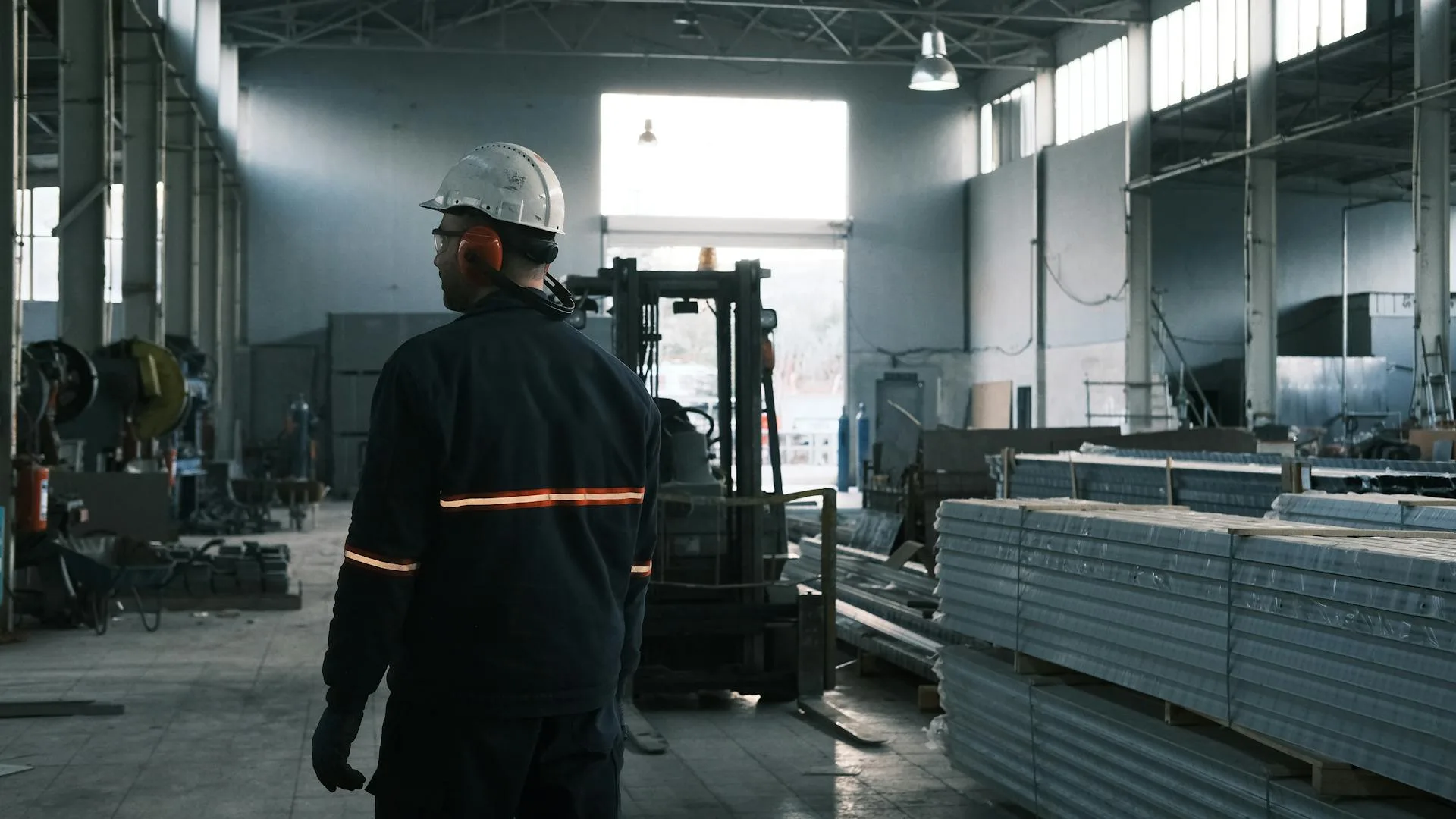
You probably think everything’s running fine. Machines hum, tasks get done, workers move along, and bills seem normal. But then one day, something feels off. That forklift drags a little longer. That drill hesitates when you need it most. Energy bills climb, and small frustrations start bubbling up. Most of the time, it’s the little stuff you don’t even notice that’s causing trouble. Even choices you make early can haunt you later. That’s why when buying forklift batteries, thinking carefully about quality and fit can save you a lot of headaches down the line. It’s not the most exciting part of running a business, but it matters more than most people realize.
Understanding Equipment Inefficiencies
Inefficiency creeps in slowly. A forklift taking a few extra seconds. A drill that stalls now and then. Alone, it seems tiny. But add it up over days, weeks, months—it’s a huge drain. Time slips away, energy is wasted, and frustration rises without you even realizing it.
The hidden costs aren’t always financial. It’s your time, your team’s energy, even the wear and tear on your machines. Equipment that runs below its potential strains more, breaks faster, and ends up costing more in the long run. You don’t need fancy meters to spot inefficiencies. Just paying attention works. Keep a notebook for a week. Track performance. Note which machines are slow, which are lagging. The patterns will tell you more than any report ever could.
Maintenance Isn’t Just a Chore
Nobody loves maintenance, and I get it. It’s boring, repetitive, and feels like a chore. But it works. A tightened bolt here. A lubricated motor there. Dust wiped off a fan. Small steps lead to huge effects: machines run more smoothly, energy usage decreases significantly and tasks take less time overall.
Negligence adds up faster than you realize; even brand-new machines slow down with little care or maintenance provided to them. Motors strain, batteries drain faster and small delays become larger ones over time. Routines don’t need to be complex either. A simple checklist. A glance at the battery. A few minutes a day. That’s it. Small habits prevent big problems. Over time, they save you more than any emergency repair ever could.
Energy and Operational Costs You Might Be Overlooking
Energy leaks everywhere. Machines left idle. Batteries half-charged. Tasks are scheduled poorly. Often, you don’t notice until bills spike or something finally breaks. Is that forklift struggling with a weak battery? Suddenly a 30-minute job becomes an hour. That drill hesitating? Multiply that by dozens of times a day. That’s lost time, lost energy, and growing frustration for everyone involved.
Little habits make a difference. Charge batteries fully. Store equipment properly. Keep an eye on energy use. Even small tweaks, like adjusting the order of tasks so machines aren’t sitting idle, can save a surprising amount of time and power. It’s not flashy. It’s not sexy. But it works, and it keeps operations flowing with fewer surprises.
Optimizing Workflows to Reduce Hidden Costs
Inefficiency isn’t only about machines. How you organize work matters just as much. Fancy equipment won’t help if it’s used poorly. Look at your workflow. Could a forklift pick up a few pallets in one trip instead of making multiple runs? Are tools left on when no one’s using them? Tiny changes save energy, save time, and save your sanity.
Watching your workflow closely also shows where hidden costs hide. One slow machine, one awkward route, one unnecessary step can ripple through your entire day. Fix it early. Your team moves more smoothly. Energy bills drop. Stress goes down. Over time, these small tweaks compound into major improvements, making your operations predictable and efficient.
In Conclusion
Watch your machines. Keep them maintained. Track energy use. Make smart choices early. Little habits matter more than you might think. Do it consistently, and you’ll notice the payoff. Less downtime. Fewer headaches. Smoother days. Your team moves faster. Your energy bills drop. And all those small fixes? They add up, giving you an operation that feels reliable and stress-free. At the end of the day, streamlining daily operations isn’t just some corporate buzzword—it’s the natural outcome of catching small inefficiencies before they snowball into bigger problems.