Why own agricultural land in central Ukraine
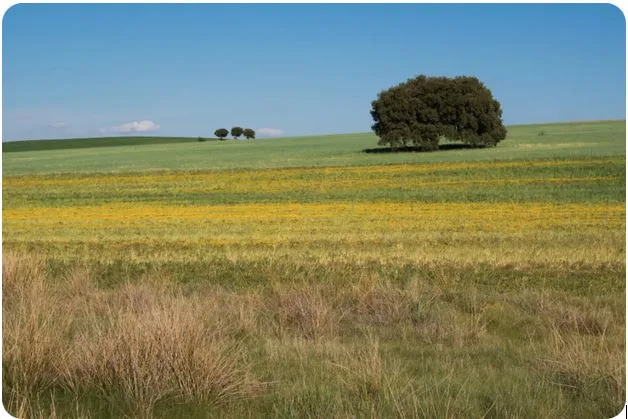
Agricultural land with good soil can be a good investment when developing the land or even when reselling it. This also applies to land in central Ukraine. The region, which encompasses areas such as Cherkasy, Poltava, and Kirovohrad, as well as parts of the Kyiv and Vinnytsia oblasts, has long been at the heart of Ukraine’s agricultural production and continues to play a pivotal role in the country’s agrarian economy.
To find a land plot for sale in Ukraine in one of these regions, you need to find a good intermediary – most often this is an agricultural real estate agency. The advantages of purchasing land in Ukraine are evident:
Fertile soil
Central Ukraine is characterised by a high concentration of chernozem soils, which are widely regarded as being among the most fertile in the world. These soils have a high humus content, good moisture retention and favourable structure, supporting stable yields across a wide range of crops. Grain crops, oilseeds, sugar beet and corn perform particularly well here, enabling landowners to maintain flexibility in their crop rotation and respond to changing market demand.
Good climatic conditions
Central Ukraine benefits from a moderate continental climate with relatively predictable growing seasons. Rainfall levels are generally sufficient for rain-fed agriculture, reducing dependence on irrigation compared to southern regions. At the same time, the risk of extreme drought is typically lower, resulting in more consistent production outcomes over time.
Logistical advantages
Central Ukraine is well integrated into national transport networks, including roads, railways and rivers. Its proximity to major grain elevators, processing facilities, and export corridors reduces transportation costs and post-harvest losses. This logistical efficiency is particularly valuable for landowners who lease land to large-scale agricultural operators, as it makes the plot more attractive to reliable tenants.
Stable demand
The region is attractive to both domestic agricultural producers and institutional investors thanks to its balance of productivity and accessibility. This sustained demand supports resilience in land values and provides favourable conditions for long-term capital appreciation. For landowners, this can translate into more predictable lease income and better liquidity than in more remote regions.
Regulatory and administrative considerations
Central regions often benefit from more established land administration practices, including clearer cadastral records and greater familiarity among local authorities with land transactions. These factors can simplify processes related to registration, leasing and eventual sale, thereby reducing administrative friction.
Strategic flexibility
Landowners may choose to lease land for a steady income, enter into joint farming arrangements or hold land as a long-term asset linked to global food demand. The combination of fertile soil, favourable location and market access enables owners to adapt their strategy as agricultural technologies, policies and market conditions evolve.