Choosing the Right Inspection Machine Malaysia for Your Factory
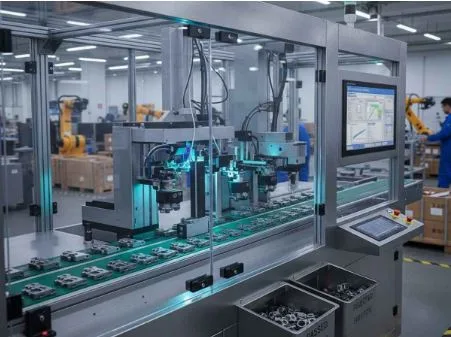
Selecting the right inspection machine malaysia for your factory is critical to achieving operational efficiency and consistent product quality. With numerous machines available in the market, choosing the wrong one can lead to wasted resources and production delays. Understanding your factory’s unique requirements ensures you invest in the right technology. This guide helps Malaysian factories navigate the selection process effectively.
A reliable inspection machine improves productivity, reduces errors, and ensures compliance with industry standards. Factories must evaluate several factors such as automation, accuracy, and maintenance. Considering these factors before purchasing prevents operational setbacks. This article outlines essential considerations for choosing the ideal inspection machine.
What Matters When Picking?
When selecting an inspection machine malaysia, it is vital to focus on features that directly impact production quality and efficiency. Factors such as product type, volume, and defect tolerance play a central role. Prioritizing these elements helps avoid purchasing machines that underperform. Assessing these requirements simplifies the decision-making process.
Supplier support and local availability also matter. A technologically advanced machine is useful only if service and parts are accessible in Malaysia. Compatibility with existing production lines prevents workflow disruptions. Factories should ensure the machine aligns with both current and future needs.
1. Understanding Factory Needs
Before choosing any inspection machine, assess your factory’s production requirements carefully. Consider the types of products, volume, and quality standards. Knowing your needs helps identify the machines most suitable for your operations. This step prevents costly mistakes in procurement.
Environmental conditions like space, temperature, and humidity also influence machine selection. Some machines require controlled conditions to operate optimally. Factories must ensure the new system fits the existing layout. Proper evaluation ensures smooth integration with minimal adjustments.
2. Automation vs Manual
Deciding between automated and manual inspection machines affects efficiency and labor requirements. Automated machines handle high volumes consistently and reduce human error. However, they are more expensive and need skilled operators. Factories must weigh benefits against cost.
Manual machines are suitable for smaller production lines or limited budgets. They offer flexibility and ease of implementation but may slow down high-volume operations. Choosing the right approach balances efficiency, cost, and workforce capability.
3. Budget Considerations
Budget is a crucial factor in selecting an inspection machine. Machines differ widely in price depending on technology, brand, and capacity. Factories must consider both initial costs and long-term expenses like maintenance and energy consumption. Budget planning ensures financial sustainability.
Investing in higher-priced machines may be worthwhile if they improve speed and reduce labor costs. Cheaper options could save money initially but increase repair expenses over time. Careful evaluation helps achieve operational efficiency while staying within budget.
4. Technology Integration
Modern inspection machines often include advanced features like AI detection and data logging. Integration with existing systems improves traceability and reporting. Factories benefit from machines that communicate with other production equipment. Proper integration reduces errors and saves time.
Ensuring compatibility with current software is essential for Malaysian factories. Seamless integration reduces training needs and avoids workflow interruptions. Machines that connect efficiently with other systems enhance overall operational performance. This makes long-term management simpler and more efficient.
5. Machine Speed
Machine speed directly affects production efficiency. Choosing an inspection machine malaysia with adjustable speed ensures production lines remain efficient. Slow machines create bottlenecks, delaying output and increasing labor costs. Conversely, machines that operate too fast risk missing defects.
Balancing speed and accuracy ensures consistent product quality. Choosing machines with adjustable speed options provides flexibility for different production lines. Malaysian factories benefit from machines that maintain efficiency without compromising quality. Optimizing speed prevents operational delays.
6. Accuracy Levels
Accuracy is critical for detecting defects and maintaining product standards. High-precision machines reduce errors and prevent faulty products from reaching customers. This is especially important in regulated industries or high-volume production. Accuracy ensures consistent quality and reliability.
Comparing error rates and precision specifications helps factories choose the most suitable machines. Investing in accurate systems reduces waste and strengthens brand reputation. Malaysian factories that prioritize accuracy improve operational efficiency and product consistency. Consistent performance is vital for long-term success.
7. Ease of Use
Machines that are easy to operate reduce errors and improve workflow. Complex machines require extensive training and may slow production. User-friendly interfaces simplify operation and enhance productivity. Ensuring staff can operate machines efficiently is essential.
Ease of use also affects maintenance efficiency. Operators can perform minor troubleshooting and adjustments independently. Machines with intuitive controls save time and reduce dependence on technicians. Simplifying operations benefits daily production management.
8. Maintenance Requirements
Maintenance impacts machine longevity and operational costs. Selecting an inspection machine malaysia with low-maintenance requirements helps reduce downtime. Machines needing frequent servicing can disrupt production schedules. Factories must consider the availability of spare parts and local service support.
Preventive maintenance helps maintain efficiency and extends machine life. Factories in Malaysia should choose machines supported by reliable service networks. Machines that are easy to maintain minimize disruptions and improve productivity. Efficient maintenance ensures consistent production output.
9. Supplier Reputation
Supplier reliability is critical for long-term machine performance. Reputable suppliers offer quality equipment, technical support, and timely delivery. Researching supplier history, reviews, and client feedback reduces risks. Choosing a trusted supplier ensures smooth operations.
Suppliers also provide installation, training, and troubleshooting assistance. Partnering with a credible supplier strengthens operational confidence. Malaysian factories benefit from suppliers who provide comprehensive support. Trustworthy partnerships reduce operational risks.
10. Compliance Standards
Machines must meet local and international quality standards. Investing in an inspection machine malaysia that meets certifications ensures safety and regulatory compliance. Factories exporting products or following industry regulations need certified machines. Compliance prevents legal and operational issues.
ISO, CE, and industry-specific certifications are vital benchmarks. Machines meeting these standards ensure consistent quality. Malaysian factories should verify compliance before purchasing. Choosing certified machines enhances credibility and reduces risk.
11. Future Expansion
Factories should consider future growth when selecting machines. Machines that cannot handle higher volumes may quickly become obsolete. Scalable options allow expansion without major reinvestment. Planning for growth ensures long-term operational efficiency.
Expandable machines support upgrades, additional lines, and software enhancements. Factories investing in future-ready machines maintain flexibility. Malaysian factories benefit from systems that grow with production demands. Scalability ensures continued productivity and cost savings.
12. Training Needs
Proper training ensures employees operate machines efficiently and safely. Machines with complex operations can disrupt production without adequate training. Investing in training reduces errors and improves performance. Skilled staff maximize machine capabilities.
Suppliers often provide training programs for operators and technicians. Factories should prioritize accessible training options. Well-trained employees enhance productivity and machine lifespan. Continuous learning ensures smooth operations and fewer operational interruptions.
Why Pick CAD Work Engineering?
CAD Work Engineering Sdn Bhd is a trusted provider of inspection machine solutions in Malaysia. They offer machines designed for diverse factory needs with reliable performance. Their team provides expert guidance to ensure efficiency and consistent product quality. Choosing them supports long-term operational success for factories.
Besides quality machines, CAD Work Engineering offers installation, staff training, and preventive maintenance. Their local presence ensures fast technical support and minimal downtime. Partnering with them improves productivity and workflow reliability. This makes them a preferred choice for Malaysian manufacturers.
Final Decision
Selecting the right inspection machine malaysia requires evaluating needs, budget, technology, and supplier reliability. Factories must balance speed, accuracy, usability, and maintenance. Considering these factors ensures the machine supports production goals effectively.
A thorough assessment leads to machines that enhance productivity, maintain quality, and offer long-term value. Proper decision-making reduces operational risks and ensures sustainable growth. Factories that follow these guidelines achieve consistent efficiency and reliable performance.