Key Features to Look for in a Stacker Forklift Malaysia
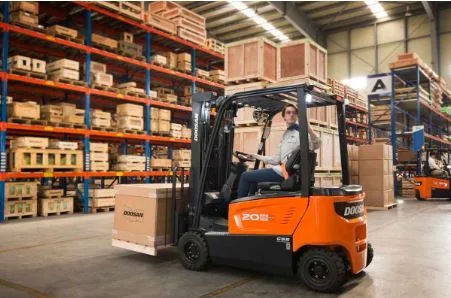
Stacker Forklift Malaysia has become an essential tool for warehouses, factories, and distribution centers across the country. These machines handle lifting, transporting, and stacking heavy loads efficiently and safely. For businesses aiming to boost operational productivity, choosing the right forklift is critical. The market offers many models, each with unique specifications that determine performance, safety, and reliability.
Investing in a stacker forklift without proper knowledge can lead to downtime, higher maintenance costs, and safety hazards. Understanding the key aspects of these machines helps businesses make informed decisions. From load capacity to battery life, every feature affects efficiency and cost-effectiveness. Selecting the right forklift for the environment ensures smoother operations and a safer workplace.
Essential Features to Note
When selecting a Stacker Forklift Malaysia, it is essential to consider features that impact efficiency, safety, and adaptability. Buyers should prioritize equipment that meets daily handling needs while supporting long-term goals. Understanding these features helps compare brands and plan for future warehouse demands. Evaluating them carefully ensures reliable performance, smoother workflow, and reduced risk of accidents or downtime.
1. Load Capacity
The load capacity of a stacker forklift is a primary factor in determining its suitability for a particular warehouse or industrial task. It defines the maximum weight the forklift can safely lift and transport without compromising stability. Choosing a machine with an appropriate load capacity prevents overloading and minimizes the risk of tipping accidents.
Load capacity varies across models, from light-duty stackers suitable for small pallets to heavy-duty machines designed for industrial warehouses. Understanding the weight of the goods handled daily ensures that the selected forklift can manage peak loads efficiently. Overestimating or underestimating this capacity can result in costly equipment failure or safety hazards for operators.
2. Lift Height
Lift height is critical in warehouses with high storage racks or multi-tiered shelving systems. The height a stacker forklift can reach determines its ability to access upper shelves safely and efficiently. Forklifts with adjustable lifting mechanisms allow flexibility for different pallet sizes and storage layouts.
Choosing the correct lift height ensures seamless stacking and reduces the need for additional handling equipment. It also prevents the risk of damaging goods or warehouse infrastructure during operation. Companies must consider both the maximum lift height and the clearance required for safe maneuvering in confined spaces to optimize warehouse productivity.
3. Battery Life
Battery life is a decisive factor for electric stacker forklifts, affecting operational continuity throughout a workday. A longer battery life reduces downtime for recharging and ensures consistent productivity. Forklifts with energy-efficient batteries also contribute to cost savings and environmental sustainability.
Battery management systems in modern stacker forklifts provide real-time monitoring of charge levels and performance. This feature helps operators plan tasks more efficiently and prevents unexpected shutdowns. Additionally, quick-charging capabilities or swappable battery options further enhance flexibility for high-demand operations in busy warehouses.
4. Maneuverability
Maneuverability is vital for forklifts operating in tight spaces or crowded warehouse aisles. A Stacker Forklift Malaysia with a compact design, responsive steering, and a tight turning radius makes it easier to navigate without causing damage to racks or goods. High maneuverability improves workflow efficiency and minimizes the time spent positioning the forklift.
Maneuverable stacker forklifts are especially useful in small warehouses or production areas with narrow corridors. Many businesses also use Electric Pallet Trucks Malaysia for quickly moving lighter loads in tight aisles. Advanced designs may include electronic steering assistance or omni-directional wheels for smoother handling. Companies benefit from enhanced operational flexibility, reduced accidents, and quicker pallet handling, making maneuverability a top consideration.
5. Operator Comfort
Operator comfort affects both productivity and safety. Comfortable seating, ergonomic controls, and low-vibration operation reduce fatigue during long shifts. A well-designed operator area ensures that staff can work efficiently while maintaining focus on safety and precision.
Forklifts with adjustable seats, easy-to-reach controls, and intuitive interfaces support better posture and reduce strain-related injuries. Climate-controlled cabins or open designs tailored to local conditions in Malaysia further enhance operator comfort. Prioritizing comfort ultimately contributes to higher job satisfaction and consistent performance.
6. Safety Measures
Safety is non-negotiable when operating stacker forklifts. Essential safety measures include overload protection, emergency stop buttons, warning lights, and anti-slip surfaces. These features reduce the risk of accidents and ensure compliance with workplace safety regulations.
Additional safety enhancements, such as automatic braking, speed limiters, and obstacle detection systems, provide extra layers of protection. Investing in safety not only protects workers but also minimizes costly downtime and potential liability claims. Businesses should evaluate safety features carefully to create a secure operational environment.
7. Equipment Durability
The durability of a Stacker Forklift Malaysia determines how well it withstands daily wear and tear. Forklifts built with high-quality materials, reinforced frames, and corrosion-resistant components have longer operational lifespans. Durable equipment reduces maintenance costs and extends return on investment.
Regular exposure to heavy loads, frequent movements, and harsh warehouse conditions demands robust construction. Durable forklifts also maintain performance over time, preventing frequent breakdowns. Companies benefit from uninterrupted operations and lower long-term expenditure by choosing reliable, well-built stacker forklifts.
8. Speed Control
Speed control is an important feature that balances productivity and safety. Adjustable travel and lift speeds allow operators to handle loads carefully in tight areas while moving quickly in open spaces. Controlled speed prevents accidents and minimizes the risk of product damage.
Modern stacker forklifts often include programmable speed settings, which adapt to varying load weights and warehouse conditions. This ensures consistency in operation and prevents mishandling. Businesses gain operational efficiency while maintaining high safety standards by prioritizing forklifts with effective speed control.
9. Maintenance Ease
Ease of maintenance is essential when considering a Stacker Forklift Malaysia. Accessible components, modular design, and clear diagnostic systems make routine checks and repairs faster and less disruptive. Easy maintenance reduces downtime and prolongs equipment life.
Scheduled maintenance ensures optimal performance and prevents unexpected breakdowns. Forklifts designed with simple service access and replaceable parts allow technicians to address issues quickly. This reliability keeps operations running smoothly and reduces the long-term financial burden on businesses.
10. Hydraulic System
The hydraulic system is the core of lifting operations in a stacker forklift. A reliable hydraulic mechanism ensures smooth, precise, and powerful lifting. Efficiency in hydraulic performance affects load handling speed, stability, and operator control.
High-quality hydraulic components minimize leakage, reduce maintenance frequency, and improve overall safety. Advanced forklifts may include electronically controlled hydraulics, providing smoother operation and better precision. Companies gain efficiency and confidence in handling heavy or delicate loads with a robust hydraulic system.
11. Load Attachments
Load attachments enhance the versatility of stacker forklifts. Fork extensions, clamps, and specialized tools allow forklifts to handle various types of cargo beyond standard pallets. This flexibility improves warehouse operations by accommodating diverse storage and transport needs.
Attachments also help in managing oversized, awkward, or fragile goods safely. Investing in compatible attachments increases the forklift’s utility without requiring additional machinery. Businesses benefit from operational efficiency and reduced equipment costs by selecting stacker forklifts with adaptable load attachment options.
Why Pick AM Forklift?
AM Forklift Sdn. Bhd. is a trusted name in Malaysia for material handling solutions, offering expertise that spans years in the industry. They specialize in providing high-quality forklifts and warehouse equipment, ensuring that businesses of all sizes have reliable and efficient tools to manage their operations. From stacker forklifts to heavy-duty lifting solutions, their products are designed to meet the diverse needs of industrial and warehouse environments.
The company is known for combining durable machinery with excellent customer support, helping clients choose the right equipment for their specific workflow. Their knowledge in logistics and material handling ensures that every solution maximizes productivity, safety, and cost-efficiency. Choosing AM Forklift Sdn. Bhd. means partnering with a team that understands the unique demands of Malaysian warehouses and factory settings.
Conclusion
Investing in a Stacker Forklift Malaysia requires careful evaluation of features like load capacity, lift height, battery life, and maintenance ease. Each aspect influences operational efficiency, safety, and long-term reliability. Businesses that prioritize these features make informed decisions that enhance productivity and reduce costs.
Understanding key features such as battery life, maneuverability, operator comfort, and hydraulic performance ensures the forklift meets specific warehouse demands. By considering all critical elements, companies can invest in stacker forklifts that deliver consistent performance, support worker safety, and provide a durable, cost-effective solution for their material handling needs.