FFDPower: The Definitive Guide to BESS and Battery Energy Storage System Cabinets (2026)
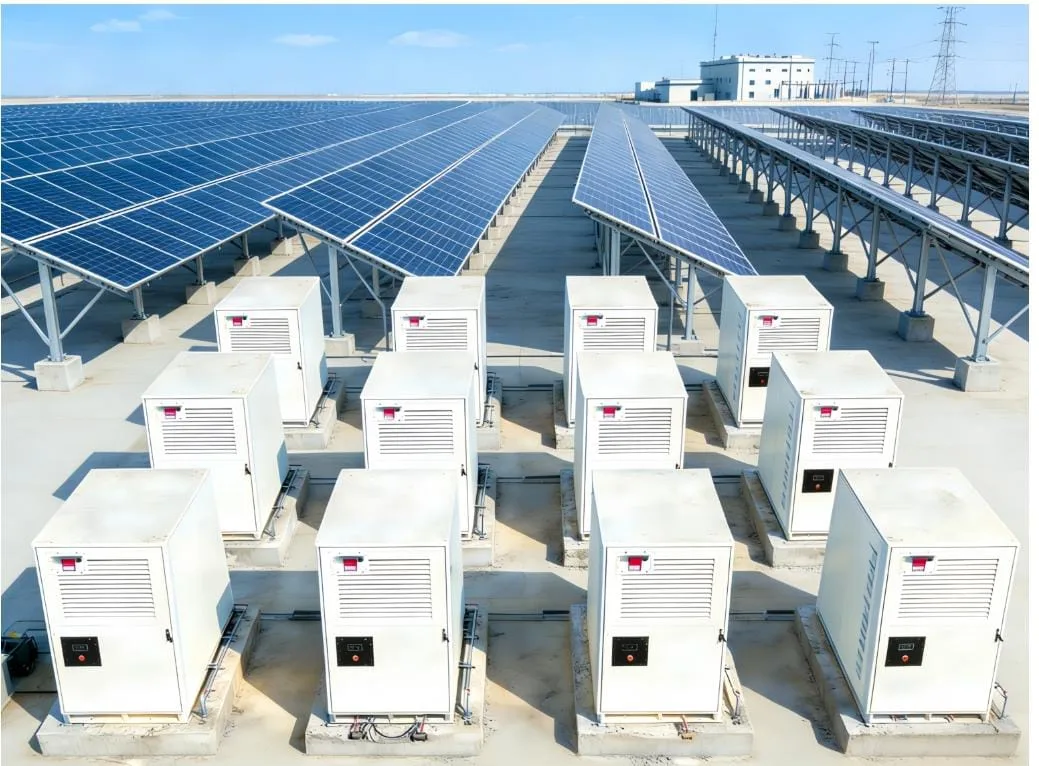
In the rapidly evolving landscape of the 2026 global energy transition, the Battery Energy Storage System (BESS) has emerged as the cornerstone of industrial resilience and grid stability. As corporations strive for net-zero emissions and energy independence, understanding the nuances of BESS technology—specifically modular solutions like the BESS Cabinet—is no longer optional; it is a strategic necessity.
At FFDPower, we specialize in high-performance energy solutions designed to bridge the gap between renewable generation and 24/7 industrial demand. This guide explores the technical depth, economic benefits, and future-proof applications of modern energy storage.
1. What is a Battery Energy Storage System (BESS)?
A Battery Energy Storage System (BESS) is an integrated electrochemical system that captures energy from various sources—such as solar PV, wind, or the utility grid—and stores it for discharge when needed. Unlike traditional mechanical storage, BESS technology provides near-instantaneous response times, making it ideal for both high-power applications (like frequency regulation) and high-energy applications (like peak shaving).
+1
The Role of the BESS Cabinet
While utility-scale projects often use massive shipping containers, the BESS Cabinet has become the gold standard for Commercial and Industrial (C&I) applications. These pre-integrated, “plug-and-play” enclosures house the batteries, inverters, and control systems in a compact, weatherproof footprint.
2. Technical Anatomy: Inside the BESS Cabinet
A BESS cabinet is a complex ecosystem of hardware and software. To ensure maximum safety and efficiency, FFDPower integrates five core layers into every system:
A. The Battery System (LFP Chemistry)
Modern systems almost exclusively use Lithium Iron Phosphate (LiFePO4). LFP is preferred over other lithium chemistries due to its:
- Safety: Higher thermal runaway threshold.
- Longevity: Cycle lives often exceeding 8,000 cycles.
- Sustainability: Free of cobalt and nickel.
B. Battery Management System (BMS)
The BMS is the digital guardian of the cells. It operates in a three-tier hierarchy:
+1
- Cell Level: Monitors voltage and temperature.
- Pack Level: Balances energy across modules.
- System Level: Communicates with the external grid and ensures overall safety.
C. Power Conversion System (PCS)
The PCS is a bi-directional inverter. It converts DC power from the batteries into AC power for your facility, and vice versa during the charging phase.
+1
D. Energy Management System (EMS)
The EMS is the “brain.” It uses AI and real-time data to decide when to charge and when to discharge based on electricity prices and site load.
E. Thermal Management & Fire Suppression
To maintain an optimal 25°C environment, high-end cabinets like the FFDPower 418kWh unit utilize advanced liquid cooling. Integrated fire suppression (often using Novec 1230 or Aerosol) provides an essential layer of security.
3. High-Capacity Solutions: 418kWh vs. 261kWh/125kW Cabinets
Selecting the right capacity is the difference between a high ROI and a stranded asset. Here is how the two most popular 2026 configurations compare:
The 418kWh BESS Cabinet: Maximum Duration
The 418kWh BESS Cabinet is engineered for “energy-heavy” applications. With a massive storage reservoir, it is the primary choice for:
- Off-Grid Microgrids: Sustaining facilities through the night.
- Long-Duration Peak Shifting: Moving large blocks of solar energy from midday to evening.
- Large-Scale C&I: Best for factories with consistent, high energy consumption.
The 261kWh/125kW BESS Cabinet: High Power Performance
The 261kWh/125kW BESS Cabinet is a “power-dense” system. Its 125kW PCS allows it to discharge its energy quickly. Key use cases include:
- EV Fast Charging: Buffering the grid against the massive spikes of DC fast chargers.
- Demand Charge Management: Instantly “shaving” power spikes that trigger expensive utility penalties.
- Frequency Support: Providing sub-second response to grid fluctuations.
4. The Economic Case: How BESS Saves Money
Investing in a BESS cabinet from FFDPower is a financial strategy as much as a technical one.
| Strategy | Description | Financial Impact |
| Peak Shaving | Discharging during highest demand periods. | Reduces monthly “Demand Charges” by up to 40%. |
| Energy Arbitrage | Charging when rates are low; discharging when high. | Lowers the “per kWh” cost of electricity. |
| Solar Self-Consumption | Storing excess solar instead of selling it back. | Maximizes the ROI of existing PV investments. |
| Backup Power | Acting as a high-speed UPS for the whole facility. | Prevents costly downtime during grid outages. |
5. Market Trends 2026: Why BESS is Booming
The BESS market is projected to reach over $60 Billion in 2026. This growth is driven by several “Megatrends”:
- AI Data Center Demand: Generative AI requires massive, stable power; BESS provides the necessary buffer.
- Grid Modernization: As old coal plants retire, the grid relies on BESS for “synthetic inertia” and stability.
- 800V Architectures: FFDPower has pioneered the transition to higher-voltage systems, reducing energy loss and installation costs.
6. Installation & Safety Standards
When deploying a BESS cabinet, compliance is mandatory. Our systems meet or exceed:
- UL 9540 / 9540A: The gold standard for fire safety in energy storage.
- IEC 62619: Safety requirements for large-scale lithium batteries.
- IP55/NEMA 3R: Ensuring the cabinet survives extreme heat, rain, and dust.
7. Frequently Asked Questions (FAQ)
Q1: What is the lifespan of an FFDPower BESS Cabinet?
A: With our Tier-1 LFP cells, expect a lifespan of 15–20 years or 8,000 cycles at 80% depth of discharge.
Q2: Can I parallel multiple 418kWh cabinets?
A: Yes. FFDPower systems are modular. You can connect over 20 cabinets in parallel to reach multi-megawatt-hour capacities.
Q3: How long does a 261kWh cabinet take to charge?
A: With a 125kW inverter, the 261kWh unit can be fully charged from 0% to 100% in approximately 2.1 hours.
Q4: Is liquid cooling better than air cooling?
A: Yes, especially for high-density systems like the 418kWh cabinet. Liquid cooling maintains a more uniform temperature, extending battery life by up to 20%.
Q5: What is “Peak Shaving”?
A: It is the process of using battery power during your facility’s highest usage times to avoid expensive “demand charges” from the utility.
Q6: Does a BESS require a lot of maintenance?
A: No. Because they have few moving parts (only fans/pumps), maintenance is minimal. FFDPower provides remote monitoring to track system health 24/7.
Q7: Can BESS replace a diesel generator?
A: For many applications, yes. It provides cleaner, quieter, and faster-responding backup power without the need for fuel storage.
Q8: How does BESS help with EV charging?
A: It prevents “grid stress.” The battery provides the high power needed for the car, while the battery itself charges slowly from the grid over time.
Q9: What is the “C-Rating”?
A: It describes the speed of charge/discharge. A 1C rating means the battery can empty in 1 hour. Most C&I systems are 0.5C (2 hours).
10: Is it safe to put a BESS cabinet near a building?
A: Yes, provided it meets UL 9540A fire spread standards and follows local setback requirements.
Conclusion: Empowering Your Business with FFDPower
The future of energy is decentralized, digital, and stored. Whether you are looking to slash operational costs through peak shaving or ensure 100% uptime for a critical manufacturing line, the Battery Energy Storage System is the solution.
At FFDPower, we don’t just sell cabinets; we provide engineered certainty. Our 418kWh and 261kWh/125kW BESS cabinets represent the pinnacle of 2026 storage technology—safe, scalable, and highly profitable.
Ready to take control of your energy future?
Visit ffdpower.com today to speak with an engineer about your custom BESS deployment.