How AI Tools Are Changing the Way Websites Are Built
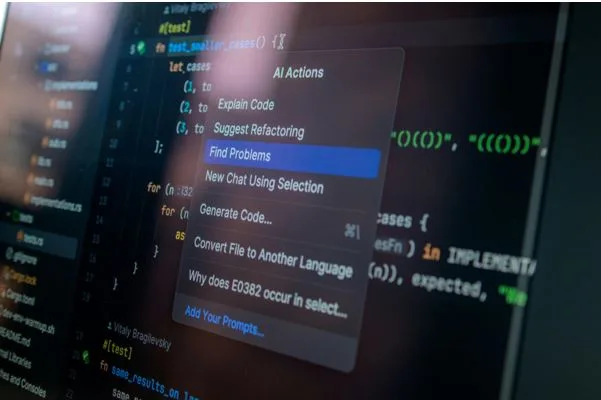
Building a website still takes taste, patience, and a decent amount of back-and-forth, but the way teams get there is changing fast. Between smarter workflows and new creative shortcuts, the bar for what “looks professional” keeps rising.
That’s why reliable design companies in Miami aren’t just chasing speed but doubling down on clarity and a polish that divides generic and human from a single glance.
The “Build a Website in 90 Seconds” Ad vs. Reality
Do you keep getting this ad that basically says, “AI can build your webpage in 90 seconds”? And yes, it can… if your definition of “build” is “generate a presentable starting point that looks like a website.”
Modern AI website builders really can spin up a layout, sections, and placeholder copy fast, especially when the tool is designed around guided inputs (industry, style, pages, goals). Wix, for example, positions its AI website builder as a way to create a site in minutes, leaning on AI to draft structure and content.
But here’s the truth nobody puts in the ad: the stopwatch stops right before the hard parts start.
The “90 seconds” doesn’t include:
- your actual information architecture
- your real messaging
- accessibility decisions
- performance budgets
- analytics instrumentation
- SEO strategy
- conversion UX
AI is getting you to “Version 0.3,” not “ready to ship.”
Prompt-to-Page Is Becoming a Real Workflow
What has changed is the pipeline. We’re moving from “design first, then code” to “describe intent, then refine.”
Tools like Vercel’s v0 are a good example of this new pattern: you prompt what you’re building, who it’s for, and what constraints matter, and you get UI output you can iterate on.
Vercel’s own guidance basically treats prompting like a product spec: include context, users, and constraints to get better UX outcomes.
That’s why AI isn’t just generating markup. It’s turning product intent into components faster than the old “stare at a blank Figma frame” ritual.
The best teams treat this like a turbocharged prototyping loop:
generate → critique → revise → wire into the real codebase.
AI Pair Programmers Are Rewriting Front-End Development
If you’ve built websites for a while, you know the grind: scaffolding routes, wiring forms, repeating patterns, translating design tokens, and writing the same glue code again and again. AI assistants and chatbots are eating that work.
GitHub Copilot is explicit about how it operates: it builds a contextual prompt using what you’re doing in your editor, including open files and workspace signals (languages, frameworks, dependencies), then suggests code accordingly.
In practice, that means the boring parts of web dev get compressed:
- generating React components
- drafting unit tests
- writing TypeScript types
- composing regex you’d rather not think about
- translating “make this responsive” into actual CSS changes
The job shifts from “type everything” to “direct and verify.” The best developers aren’t delegating thinking; they’re delegating keystrokes.
Debugging and Styling Are Getting AI “Co-Pilots,” Too
The AI wave isn’t only in editors. Even the browser is getting in on it.
Chrome DevTools now includes AI assistance for styling workflows, aimed at helping you iterate on CSS and understand what’s happening when your layout behaves like it hates you personally.
This matters because so much web-building time isn’t spent on “writing new code,” but on “why is this div doing that?”
AI that can explain, propose CSS adjustments, or help you reason about the cascade is a direct hit on the real cost center of front-end work: time lost in micro-confusion.
Content Generation: Fast Drafts, Risky Defaults
AI can absolutely crank out homepage copy, CTA variants, FAQs, and meta descriptions. Many builders ship “AI text creator” features as table stakes now, because blank sections kill momentum and cause project abandonment.
But content is also where the quality gap shows up the fastest. AI-written text tends to be “confidently generic” unless you feed it brand voice, proof points, audience, and real constraints.
This is where a publisher’s perspective matters.
At The Big News Network, for instance, speed is useful, but editorial judgment is the difference between “filled space” and “worth reading.”
The same applies to websites: AI can draft, but humans decide what’s true, what’s distinct, and what’s actually on-brand.
The New Skill Isn’t “Prompting.” It’s Taste + Guardrails
AI tools are changing how websites are built, but not by deleting humans from the process.
- Code Writers to Editors: instead producing raw output, you become the reviewer and refiner of originated prompts.
- Builders to System Designers: Instead of building style, you become the judge who defines patterns and lines-up rules that AI can further follow and adapt to.
- From “page makers” to product thinkers: you focus on flows, conversion friction, accessibility, and performance, while AI accelerates the mechanical steps.
Keeping that in mind, your 90-second website would only become good if you spent a few hours, days, or more to make it contentful, usable, and true.
And honestly, that’s still a revolution. The build process is becoming less about dragging pixels or grinding boilerplate and more about making smart decisions. And AI is the unpaid intern who never sleeps, and absolutely must be fact-checked.