The Complete Consumer Guide to iPhone Damage, Diagnostics, and Professional Repair Solutions
Introduction
Smartphones have become deeply integrated into daily routines, functioning as communication tools, work devices, entertainment platforms, and personal organizers. Among them, the iPhone stands out for its design precision, performance reliability, and ecosystem integration. Yet even the most advanced devices are not immune to damage, wear, and technical failure. Drops, spills, charging habits, software updates, and daily handling all contribute to gradual performance decline or sudden breakdowns. For most users, understanding what goes wrong inside a device is difficult because the technology is complex and tightly integrated.
Many people wait until a phone stops functioning completely before seeking professional help. This often leads to more expensive repairs, greater data risk, and longer downtime. Early detection and informed decision making play a critical role in protecting both the device and the user’s digital life. A structured understanding of damage types, internal systems, and performance indicators allows consumers to respond more effectively when problems arise.
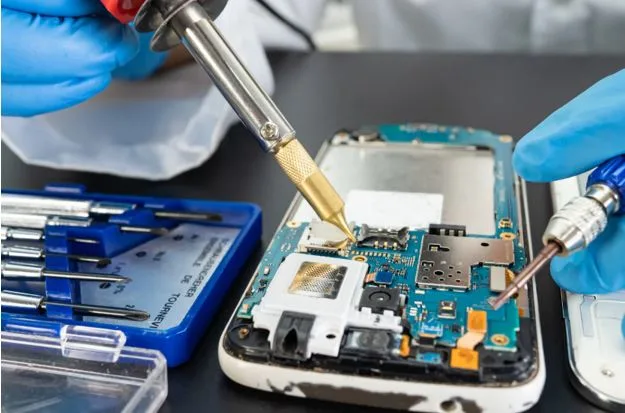
Professional repair services operate on diagnostic accuracy, technical experience, and careful handling of sensitive components. Skilled technicians follow structured processes from inspection to final testing, ensuring that devices are restored safely and correctly. Responsible repair providers also prioritize data protection, component quality, and transparent service practices. They understand that smartphones are essential daily tools, not luxury accessories.
This guide provides a complete, consumer-focused perspective on how iPhone damage occurs, how internal systems function, how to recognize warning signs, and how to make smart repair decisions. It is designed to help readers understand both the technical and practical sides of device care. With the right knowledge, iPhone owners can extend device lifespan, reduce repair risks, and make confident choices when professional service becomes necessary.
Common Types of iPhone Damage and How They Occur
Smartphones, particularly iPhones, are among the most frequently used and vulnerable devices in daily life. Despite careful handling, accidental impacts, environmental exposure, and charging practices often compromise their integrity. Understanding the most common types of damage helps users prevent costly repairs and maintain optimal functionality. Many issues are not immediately visible, as internal components can fail gradually even if the exterior appears intact. Awareness of these risks allows users to adopt protective measures and respond promptly when problems arise.
- Physical Damage: Accidental drops from pockets, tables, or hands often result in cracked screens, bent frames, or displaced internal components. Even if the display continues to function, connectors, sensors, and circuits may sustain micro-damage that triggers delayed malfunctions. Pressure damage from sitting on the phone or storing it in tight spaces adds structural stress that weakens internal assemblies over time.
- Liquid Exposure: Spills, rain, condensation, and high-humidity environments can introduce moisture into sensitive circuits. While some iPhone models offer limited water resistance, seals deteriorate with age or cracks, allowing liquid to enter. Corrosion develops gradually, affecting connectors, power systems, and logic boards, with symptoms often appearing days or weeks later.
- Charging-Related Damage: Using low-quality cables, unstable power sources, or charging ports contaminated with debris can cause overheating and voltage instability. Repeated stress on charging ports weakens solder joints and connectors, resulting in intermittent charging or unexpected shutdowns. Over time, this damages both battery health and the device’s power management systems.
- Environmental Factors: Heat exposure, such as from sunlight or car interiors, accelerates battery degradation and damages internal adhesives. Dust and debris accumulate in speaker grills, microphones, and ports, reducing functionality and causing overheating. Combined with daily handling habits, environmental factors create layered damage patterns that worsen over time.
Understanding these types of damage emphasizes the importance of preventive care. Protective cases, mindful storage, and cautious charging habits significantly reduce risk. Early detection and professional repair can prevent minor issues from escalating into major failures. iPhone users who monitor both physical and internal health maintain device performance and longevity. Being proactive ensures consistent functionality and minimizes costly disruptions to daily use.
Understanding Internal vs External iPhone Hardware Failures
External hardware failures are typically the easiest for users to recognize because they affect the visible structure of the device. Cracked screens, shattered glass, bent frames, damaged ports, and broken buttons are immediately noticeable and directly interfere with daily use. These failures usually result from drops, compression, improper handling, or accidental impact. While they may appear to be simple surface-level issues, external damage often creates conditions that allow deeper internal problems to develop beneath the visible layer.
Internal hardware failures involve components that are not visible to the user, making them more difficult to identify and diagnose. These include logic boards, internal connectors, sensors, microchips, batteries, antennas, and internal cable systems. Damage to these parts often presents as symptoms rather than visible defects. Users may experience overheating, random shutdowns, charging failures, weak signal reception, audio problems, camera malfunctions, or unstable performance. Internal failures are frequently progressive, meaning they worsen gradually over time rather than causing immediate system collapse. This slow progression makes early detection difficult without professional evaluation.
The relationship between external and internal damage is closely connected. A cracked screen can allow moisture, dust, and debris to enter the device, triggering corrosion and short-circuiting inside the phone. A bent frame can place uneven pressure on logic boards and connectors, creating micro-fractures in solder joints that slowly disrupt signal flow. Even minor drops that leave no visible damage can shift internal components enough to weaken connections and destabilize system performance over time.
Professional diagnostics focus on identifying both visible and hidden failures. Technicians use structured testing methods, component-level inspection, and performance analysis to isolate fault sources across internal systems. Effective repair depends on understanding how surface damage interacts with internal hardware. Treating only visible issues without evaluating internal health often leads to recurring problems and unresolved instability. Long-term reliability depends on addressing the full scope of both internal and external hardware failures through comprehensive, professional assessment and system-level repair strategies.
How iPhone Components Work Together as a System
An iPhone is not a collection of independent parts, but a tightly integrated system where every component depends on the stability and performance of others. The processor, logic board, battery, memory, storage, sensors, display, camera systems, and software architecture operate as a unified network. Each system communicates continuously with the others, allowing the device to function smoothly and efficiently. This high level of integration creates powerful performance capabilities, but it also makes the device highly sensitive to disruption in any single area.
The logic board serves as the central communication hub of this system. It connects the processor, memory, storage, camera modules, sensors, charging systems, and display assemblies into one operational structure. Signals move through this network in real time, allowing tasks to be processed, data to be transferred, and functions to operate seamlessly. When connectors weaken or micro-damage forms in circuits, signal transmission becomes unstable. This instability can result in freezing, performance drops, random shutdowns, connectivity failures, and system errors that appear unrelated on the surface.
Power management functions as a system-wide process rather than a single component task. The battery does not simply store energy, but works alongside charging circuits, thermal sensors, and software controls to regulate how power is distributed across the device. If one part of this system becomes unstable, the entire power structure is affected. Overheating, rapid battery drain, charging inconsistencies, and performance throttling often originate from system-level imbalance rather than isolated battery failure.
Understanding this integration explains why professional diagnostics are essential. A cracked screen may affect touch sensors, camera alignment, internal connectors, and system calibration. A battery issue may cause performance throttling and software instability. Effective repair focuses on restoring system balance rather than replacing individual parts in isolation. Long-term reliability depends on preserving the functional relationships between all components within the device ecosystem and maintaining structural harmony across the entire system.
The Impact of Daily Usage Habits on iPhone Lifespan
Daily habits play a major role in determining how long an iPhone remains reliable and functional. Charging behaviors are among the most influential factors affecting long-term device health. Overnight charging, frequent fast charging, and exposure to unstable or low-quality power sources accelerate battery degradation. Over time, this leads to reduced battery capacity, inconsistent power delivery, overheating, and declining performance stability. Battery strain does not remain isolated, as unstable power flow also affects internal power management systems, charging circuits, and logic board regulation, creating broader system stress.
Handling practices are equally important in preserving device integrity. Carrying phones without protective cases, placing them in tight pockets, or storing them in bags with heavy objects increases the risk of structural stress. Repeated pressure weakens frames, internal connectors, and solder joints. Even when visible damage does not appear, daily micro-stress gradually compromises internal alignment and component stability. These subtle structural shifts often lead to delayed failures that seem to appear suddenly but have been developing over time.
Environmental exposure further shortens device lifespan. Heat from direct sunlight, enclosed vehicles, or prolonged warm environments accelerates chemical wear in batteries and degrades adhesive materials inside the phone. Moisture exposure from humidity, rain, spills, or condensation introduces corrosion risks that damage connectors and internal circuits. Dust and debris accumulation clog charging ports, speakers, and internal airflow pathways, contributing to overheating and reduced performance efficiency. These factors often combine, creating layered damage that becomes increasingly difficult to reverse.
Usage intensity also affects longevity. High-performance gaming, constant streaming, extended video calls, and heavy multitasking increase thermal output and processor strain. Over time, this accelerates component wear and thermal fatigue. Balanced usage, proper cooling, safe charging habits, and careful handling significantly improve device durability. Long-term performance depends not only on build quality, but on how consistently the device is treated with care and stability in everyday life.
Signs Your iPhone Needs Immediate Professional Attention
iPhones are designed for reliability, but certain issues signal urgent internal problems that require professional evaluation. Some symptoms develop gradually, while others indicate immediate risk of component failure. Recognizing these warning signs helps users prevent broader system damage and preserve device longevity. Early professional intervention can reduce repair costs and protect important personal data. Understanding when a device needs attention ensures both safety and consistent performance.
- Sudden Shutdowns and Random Restarts: Unexpected power-offs often indicate battery instability, logic board faults, or failures in the power management system. These issues rarely resolve without professional repair and can worsen over time. Ignoring these symptoms increases the risk of cascading system failures and further internal damage.
- Overheating: While occasional warmth is normal during heavy use, consistent overheating during standard activities signals deeper internal problems. Faulty batteries, damaged charging circuits, short circuits, or thermal regulation failures may cause excessive heat buildup. Persistent overheating accelerates component wear and poses safety risks for both the device and the user.
- Performance Instability: Lagging apps, freezing screens, delayed touch response, and repeated system crashes often reflect underlying hardware or software conflicts. Minor performance issues can indicate failing internal components or communication breakdowns within the device. Timely diagnostics prevent these problems from escalating into major failures.
- Charging Irregularities: Intermittent charging, slow battery fill, rapid drain, or devices failing to recognize chargers usually point to connector or power system damage. Repeated stress on these components can permanently degrade battery health and power regulation. Professional assessment ensures proper repair before serious damage occurs.
- Audio, Camera, and Connectivity Failures: Distorted microphones, malfunctioning speakers, unstable cameras, or Wi-Fi issues typically arise from internal damage rather than surface-level problems. When multiple symptoms appear simultaneously, the likelihood of widespread system failure increases. Early professional intervention helps maintain overall device functionality and prevents extensive repairs.
Prompt professional evaluation ensures safety, maintains performance, and preserves device lifespan. Detecting issues early can prevent minor problems from becoming costly repairs. Trained technicians provide accurate diagnostics and effective solutions. Users benefit from restored functionality and protection of sensitive data. Prioritizing timely repairs is key to maintaining a reliable and efficient iPhone.
Water Damage: What Happens Inside an iPhone
Water damage is one of the most misunderstood and underestimated forms of smartphone failure. Even brief exposure to liquid can trigger internal corrosion that spreads silently through the device long after the surface appears dry. Moisture enters through charging ports, speaker grills, microphones, SIM trays, and microscopic seal gaps in the frame. Once inside, it interacts with metal components, circuit pathways, and solder joints, creating oxidation and disrupting electrical conductivity across internal systems.
One of the most dangerous aspects of water damage is that it often does not cause immediate failure. Corrosion develops gradually, weakening connectors, charging systems, internal sensors, and signal pathways over time. Users may experience delayed symptoms such as charging failure, signal loss, battery instability, speaker malfunction, or display issues days or even weeks after exposure. This delayed onset leads many people to underestimate the severity of the original incident, assuming the device has recovered when internal damage is actually progressing beneath the surface.
Water exposure also affects adhesives, insulation materials, and internal seals inside the phone. These materials degrade when exposed to moisture, allowing further contamination from dust, debris, and humidity. Battery components are particularly vulnerable, as liquid accelerates chemical degradation and increases the risk of overheating and internal swelling. Even small amounts of liquid can compromise long-term safety, performance stability, and structural integrity.
Proper response is critical to device survival. Turning off the device immediately and avoiding charging prevents additional electrical damage and short-circuiting. Professional drying, internal cleaning, and corrosion treatment are essential to stop damage progression. Attempting home remedies often worsens internal damage by trapping moisture or pushing it deeper into sensitive components. Long-term device survival after water exposure depends on rapid, expert intervention and thorough internal restoration that addresses both visible moisture and hidden internal corrosion.
Battery Degradation and Performance Decline
Battery health plays a central role in overall iPhone performance, stability, and reliability. As lithium-based batteries age, their chemical structure changes, reducing their ability to store and distribute power efficiently. This degradation is a natural process, but it is significantly accelerated by heat exposure, frequent fast charging, unstable power sources, and repeated full discharge cycles. Over time, reduced battery capacity affects not only usage time, but the stability of the entire system.
Performance decline often develops gradually. Users may notice faster battery drain, slower charging speeds, unexpected shutdowns, overheating, or reduced processing performance. Modern iPhones regulate performance based on battery condition to protect internal components. When battery health declines, the system may automatically limit performance to prevent instability and overheating. As a result, devices often feel slower even when processors, memory, and storage systems remain fully functional.
Battery degradation also affects internal systems beyond power storage. Inconsistent power delivery places stress on logic boards, charging circuits, and internal connectors. Voltage fluctuations disrupt camera performance, sensor accuracy, network stability, and system communication. What begins as a battery issue can evolve into broader system reliability problems if not addressed early, creating layered instability across multiple components.
Professional battery diagnostics go beyond simple capacity testing. Technicians evaluate power regulation systems, charging pathways, connector stability, and thermal performance. Proper replacement and system calibration restore both battery health and performance balance. Addressing battery degradation early prevents cascading failures and protects internal systems from long-term stress. Long-term performance depends on maintaining stable power delivery across all internal components, making battery health a foundation of overall device reliability.
Software Issues vs Hardware Problems in iPhones
Distinguishing between software and hardware problems is essential for accurate repair decisions and long-term device reliability. Software-related issues typically include app crashes, update failures, system freezes, boot loops, and performance slowdowns caused by corrupted files, incompatible updates, or operating system conflicts. These problems may appear severe, but they can often be resolved through system resets, updates, controlled data restoration, or operating system reinstallation when hardware systems remain stable.
Hardware problems, by contrast, involve physical components such as connectors, circuits, sensors, batteries, antennas, and logic boards. Although symptoms may resemble software issues, their root causes are physical damage, component failure, or internal system degradation. Random shutdowns, charging failures, signal loss, overheating, and connectivity instability often point to hardware-level faults rather than digital errors.
The challenge lies in the overlap between these two categories. A failing battery can cause system crashes that look like software instability. Corroded connectors can trigger network and connectivity errors that appear to be software bugs. Power regulation failures can create performance throttling that mimics operating system issues. Accurate diagnosis therefore requires testing across both system layers. Professional evaluation uses diagnostic tools, system performance analysis, and physical inspection to isolate the true source of failure.
Misdiagnosis leads to ineffective repairs and repeated failures. Reinstalling software does not repair corroded circuits. Replacing hardware does not fix corrupted operating systems. Effective repair strategies address the correct layer of failure rather than surface symptoms alone. Long-term device reliability depends on precise diagnostics that separate digital errors from physical damage and apply appropriate technical solutions to each, ensuring lasting stability and performance integrity.
Repair vs Replacement: Cost, Value, and Longevity Analysis
Deciding whether to repair or replace an iPhone is not simply a financial calculation. It involves evaluating device age, performance needs, data value, and long-term usability. Many users assume replacement is the easier option, but modern devices are expensive, and replacement often brings hidden costs such as data migration, accessory upgrades, and learning curves with new systems. Repair, when done professionally, can restore functionality at a fraction of the cost while preserving user familiarity and data continuity.
Repair becomes the more practical choice when core systems remain stable. Issues such as battery degradation, screen damage, charging failures, and connector problems are often highly repairable. When internal architecture is intact, targeted repairs can extend a device’s usable life by years. Professional services that specialize in precise diagnostics and high-quality component replacement ensure that repaired devices maintain performance and reliability standards comparable to their original condition.
Replacement becomes more reasonable when multiple core systems fail simultaneously. Severe logic board damage, extensive corrosion, and structural deformation often compromise long-term reliability. In such cases, repair costs may approach or exceed the value of a newer device. Even then, professional assessment is essential to avoid premature replacement based on assumptions rather than accurate diagnostics.
Consumers benefit most from informed evaluations rather than reactive decisions. Professional repair centers that provide transparent assessments, honest pricing, and detailed explanations allow users to make balanced choices. For those seeking dependable service options such as iPhone repair in the Bronx, NY, professional diagnostics help determine whether restoration or replacement delivers better long-term value. Smart decisions are based on longevity, performance stability, and overall user experience, not just immediate cost.
Final Section – Long-Term iPhone Care and Maintenance Strategy
Long-term iPhone reliability depends on a combination of informed habits, early intervention, and responsible professional care. Daily practices such as safe charging, protective storage, environmental awareness, and balanced usage significantly reduce wear on internal systems. These habits preserve battery health, component stability, and overall performance over time.
Preventive maintenance is equally important. Addressing minor issues before they escalate prevents system-wide damage. Small cracks, charging irregularities, overheating, and performance slowdowns are early indicators of deeper problems. Professional diagnostics at this stage reduce repair complexity and protect long-term device integrity.
Reliable repair services play a critical role in sustainable device ownership. Skilled technicians follow structured diagnostic processes, use quality components, and apply proven repair methods that restore system balance. Trusted providers operate with precision, transparency, and care, treating each device as an essential personal tool rather than a disposable product. Their approach prioritizes data protection, safety, and long-term performance stability.
Ultimately, iPhone longevity is built through responsible ownership and informed decisions. Devices last longer when users understand how damage occurs, how systems function, and when professional support is needed. With proper care, early intervention, and expert service, smartphones remain reliable daily tools rather than recurring repair problems. Long-term performance is not accidental; it is the result of consistent, informed maintenance and responsible technical support.