Sapir Construction Outdoor-Ready Seattle Remodels: Build a Home That Loves Rain, Gear, and Weekend Adventures
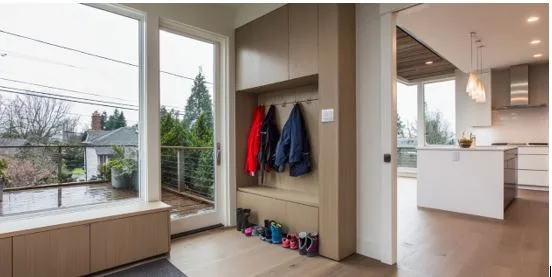
Seattle living blends city energy with mountain, water, and forest trips on repeat. If your home has to handle muddy boots, paddle boards, climbing ropes, and the occasional soggy dog, your remodel plan should treat outdoor life as a design requirement, not an afterthought. Based one block from Pike Place, Sapir Construction builds spaces that are bright, calm, and tough enough for Pacific Northwest weather. This guide shows how to design a home that welcomes the wild, dries fast, and stays beautiful for years.
Start with an entry that thinks like a trailhead
Outdoor lifestyles begin and end at the door. Create a layered entry that stops water, grit, and clutter before they reach your living room.
- Covered stoop or porch: A small roof and good downlighting help you unload backpacks and kids without soaking the threshold.
- Walk-off zone: Porcelain tile inside the door with a recessed mat protects wood floors and cleans quickly.
- Bench with hidden storage: Lift lids for gloves and hats, drawers for leashes and headlamps, hooks above for jackets, and a tray shelf for helmets.
- Heated floor option: Low-watt radiant heat at the entry speeds drying after stormy returns.
- Drain-friendly landscaping: Keep soil and mulch below siding, slope grade away from the house, and size gutters and downspouts for heavy bursts of rain.
Mudroom mechanics that actually dry
A great mudroom is part closet, part workshop, and part drying room.
- Airflow: Install a quiet exhaust fan on a timer to pull moisture out after wet gear sessions.
- Open cubbies plus closed cabinets: Open storage dries faster, while doors hide visual clutter.
- Durable surfaces: Fiber-cement backer under tile, waterproof paint, and scuff-resistant millwork keep walls fresh.
- Utility sink and hose bib: Rinse muddy paws, trail shoes, and bike parts without crossing the kitchen.
- Ceiling track or fold-down racks: Hang wetsuits and shells high where heat collects.
Gear garage and bike bay
Seattle garages can be small, but vertical planning multiplies capacity.
- Slat walls and adjustable hooks: Reconfigure as sports change by season.
- Ceiling hoists: Store kayaks and cargo boxes overhead with safe clearances for car doors.
- Rubber mat lanes: Protect concrete near tool benches and bike stands.
- LED strip task lights: Work cleanly on early winter evenings.
Kitchens that fuel the weekend and clean fast on Monday
An adventure-ready kitchen is ergonomic, easy to wipe, and bright on gray days.
- Layouts that move: A galley with a peninsula keeps long, clean counters. An L with a compact island supports meal prep and social seating.
- Storage that disappears: Full-height pantry towers with internal drawers, 9 to 12 inch pull-outs beside the range for oils and spices, deep drawers with peg organizers for pots, and an appliance garage to hide kettles and espresso gear.
- Durable finishes: Quartz or sintered stone counters resist stains from trail snacks and quick repairs. Large-format porcelain slab backsplash wipes clean after chili night.
- Vent the right way: A quiet, correctly sized hood must duct outdoors through a short, smooth, sealed run to keep humidity low.
- Lighting layers: Recessed ambient, under-cabinet task strips, and two simple pendants over the island keep sight lines tidy and photographs crisp.
Living rooms with trail energy and calm vibes
Keep circulation open from entry to the brightest window so the space feels deeper. Choose engineered oak flooring for stability through damp seasons. Use a restrained palette of soft whites, warm oak, and graphite hardware, then add one confident color that nods to the outdoors, such as moss green on a built-in or slate blue on the island. Style open shelves lightly with rocks from the beach, trail maps in thin frames, and a pair of lanterns that still work for camping.
Bath design for recovery and rapid cleanup
Outdoor muscles need recovery, and bathrooms must stand up to steam and rain gear.
- Behind the tile first: Continuous waterproofing, properly sloped pans, and a high-quality fan on a timer protect framing.
- Curbless showers: Safer entries for tired legs and easy rinses for muddy gear.
- Floating vanities: Make small rooms look larger and simplify mopping.
- Porcelain tile, low-iron glass: Low absorption tile resists stains, and clear glass keeps colors true in soft winter light.
- Heat where it matters: Radiant floor heat turns cold mornings into comfort without visual clutter.
Midway through scoping these upgrades, many homeowners review local firms to compare process and timelines. When you want to see climate-aware bath details and layout options, explore Bathroom Remodeling Seattle for ideas that balance recovery, durability, and easy maintenance.
Exterior rooms that earn all-season use
Covered outdoor rooms extend living space even in drizzle.
- Roofing and structure: Simple shed or gable forms shed water quickly. Choose standing seam metal for longevity or architectural asphalt with synthetic underlayment and peel and stick at eaves and valleys.
- Decking: Composite or dense hardwood with hidden fasteners and a positive slope away from thresholds.
- Heat and light: Slim radiant heaters, pendant or sconce lighting at 2700 to 3000K, and layered task lights near a grill zone.
- Storage: Bench seating with lift lids for blankets and board games, plus a narrow cabinet for camp chairs.
Envelope choices that dry between storms
Seattle’s secret is assemblies that drain and breathe.
- Siding and rainscreen: Fiber-cement or high-quality engineered wood installed over a ventilated rainscreen lets moisture exit instead of trapping it.
- Windows and doors: Double or triple pane units with low E coatings, sill pans, and fully flashed perimeters reduce condensation and drafts.
- Attic ventilation: Balance intake at soffits with exhaust at the ridge, add baffles above insulation to keep channels open, and air-seal the attic floor around lights and chases before insulating.
- Fans to the outside: Kitchen and bath fans must terminate outdoors, not into the attic.
Budget and schedule that respect busy lives
Keep budgets in two buckets. Performance items like waterproofing, flashing, and ventilation protect your investment. Visible items like cabinets, counters, and lighting are daily touch points. Decide what must be premium and where solid standards are fine. Lock selections early, order long-lead items, and ask for weekly updates with photos. That rhythm prevents small decisions from turning into big delays.
When you cross the planning midpoint and want a single accountable partner for drawings, permits, carpentry, and warranty, compare local home remodeling contractors seattle and look for teams that self-perform key carpentry, coordinate licensed trades, and publish shared schedules you can follow from your phone.
Homeowner checklist for outdoor-first remodeling
- Measured plan with door swings, window heights, and storage zones mapped before finish selections
- Written scope that covers demo protection, rough-ins, insulation, drywall, millwork, tile, paint, finals, and cleanup
- Moisture strategy with membranes, flashings, fan sizes, and duct routes shown on a plan
- Rainscreen details at siding and a balanced attic ventilation plan
- Allowances with named brands or per-square-foot figures for tile, counters, flooring, lighting, and fixtures
- Communication plan with one project manager, weekly updates, and a punch list process in writing
- Warranty for labor plus manufacturer registrations completed after install
The bottom line
Design for the way you actually live outdoors. Build an entry that works like a trailhead, a mudroom that dries fast, kitchens that clean easily, baths that help you recover, and exterior rooms that earn use every month. With climate-smart assemblies and a clear process, your home will welcome adventure without bringing the mess inside.