Understanding Your Child’s Learning Style and the Alternative Preschool Model That Fits
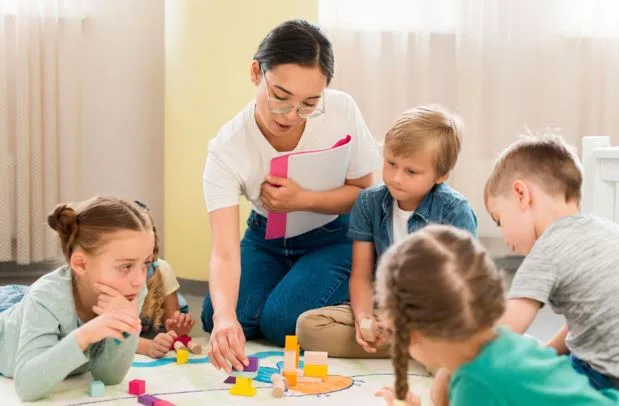
Every child enters the world with a unique way of observing, exploring, and making sense of their surroundings. Some children learn through movement, others through conversation, while some prefer quiet focus or imaginative expression. Recognizing these differences can help families choose a preschool environment that supports learning in a way that feels natural rather than forced.
Alternative early education approaches are built around this understanding. Instead of expecting children to adapt to a single teaching style, these models adapt to the child—an idea that’s increasingly shaping alternative preschool models in the US as families seek more personalized, child-centered learning environments.
Reggio Emilia for Expressive and Idea-Driven Learners
Children who communicate through drawing, storytelling, movement, or discussion often flourish in Reggio Emilia-inspired settings. This approach values creativity, collaboration, and deep exploration of ideas that emerge from children’s interests.
Learning is project-based and relational, making it ideal for children who enjoy sharing ideas and working alongside peers. These environments support social cognition and flexible thinking while honoring each child’s voice.
Montessori for Children Who Prefer Focus and Independence
Some children show intense concentration from an early age. They enjoy completing tasks independently, repeating activities, and working at their own pace. Montessori classrooms are well-suited for these learners, offering structured environments with carefully designed materials.
Children who thrive here often enjoy order, predictability, and mastery. The ability to choose work and focus without interruption supports self-discipline and internal motivation, helping children build confidence through accomplishment.
Waldorf for Imaginative and Rhythm-Oriented Children
Some children learn best through storytelling, music, routine, and imaginative play. Waldorf-inspired programs emphasize consistent rhythms and creative expression rather than early academics.
This model often benefits children who are sensitive to overstimulation or pressure. The predictable flow of the day creates emotional security while encouraging imagination, empathy, and a strong sense of connection.
HighScope for Children Who Like Structure with Choice
Children who enjoy understanding what comes next while still having autonomy often respond well to the HighScope approach. The Plan–Do–Review cycle helps children organize their thoughts, make decisions, and reflect on outcomes.
This model supports learners who benefit from routine but want agency within that structure. It builds problem-solving skills and accountability through active participation.
Bank Street for Real-World and Social Learners
Some children learn best when experiences connect directly to the world around them. The Bank Street approach links classroom learning to real-life exploration, discussion, and observation.
Children who enjoy asking questions about how things work and engaging in thoughtful conversations often thrive here. This model supports cognitive development through meaningful experiences and strong teacher-child relationships.
Play-Based Learning for Social and Emotional Builders
Children who learn through pretending, building, negotiating, and experimenting often benefit from play-based preschools. Open-ended play allows children to develop communication skills, self-regulation, and creativity.
This approach supports emotional intelligence and collaboration, making it ideal for children who process experiences through interaction and imagination.
Academic-Focused Programs for Children Who Enjoy Direct Instruction
Some children respond positively to teacher-led lessons, clear expectations, and early exposure to academic concepts. Traditional academic-focused preschools can support children who enjoy structured learning and predictable outcomes.
While not child-led, these programs may suit learners who find comfort in routine instruction and measurable progress.
Faith-Based Preschools for Values-Oriented Learners
Children who thrive in environments centered on shared values, community, and moral development may benefit from faith-based preschools. These programs integrate early learning with spiritual and ethical guidance.
This model often supports children who respond well to consistency, tradition, and family-centered environments.
Parent Cooperative Preschools for Community-Centered Children
Some children gain confidence when family involvement is part of their learning environment. Cooperative preschools emphasize collaboration between parents, teachers, and children.
This model benefits learners who thrive with strong home-school connections and value familiarity and shared responsibility.
Forest and Nature-Based Programs for Active and Sensory Learners
Children who need movement, outdoor exploration, and sensory engagement often flourish in nature-based preschools. These environments encourage curiosity through physical exploration and interaction with natural elements.
This approach supports regulation, independence, and resilience, particularly for children who struggle in indoor or sedentary settings.
Finding the Environment That Reflects Your Child
Understanding how your child learns can transform the preschool search from overwhelming to empowering. No single model fits every learner, but each offers strengths that support different developmental needs.
When families focus on alignment rather than comparison, they create space for children to grow with confidence, curiosity, and joy. The right preschool is one where learning feels engaging, relationships feel supportive, and children are encouraged to become who they already are.