Diamond Alternatives: What to Buy Instead of a Traditional Diamond Ring
For generations, natural diamonds have dominated the engagement ring market. But today, a growing number of couples are choosing smarter, more practical options.
Rising diamond prices, ethical concerns, and changing financial priorities have sparked huge interest in diamond alternatives — and for good reason.
Modern alternatives can look just as stunning as traditional diamonds while costing a fraction of the price.
Let’s explore why more couples are choosing them.
Why buyers are moving away from traditional diamonds
There are three main reasons people explore alternatives:
- Price
Natural diamonds carry a premium due to mining, supply chains, and retail markups. Retail markups are often three times cost. This means your ring losses ½ its value just by leaving the jewellery store. - Ethics
Many buyers prefer stones that avoid environmental and ethical concerns. For this reason lab created diamonds have gained considerable popularity. - Value
Modern couples want to spend money wisely and prioritise long-term financial goals.
This shift has created strong demand for fake diamond rings that look real and other affordable engagement options.
What makes a great diamond alternative?
A high-quality diamond alternative should offer:
- Exceptional brilliance and sparkle
- Durability for daily wear
- Realistic appearance
- Long-term affordability
Today’s diamond simulants are engineered specifically to mimic the optical properties of real diamonds, making them virtually indistinguishable to the naked eye.
Popular diamond alternatives
- Diamond simulants
Diamond simulants are stones designed to replicate the appearance of diamonds. They offer exceptional brilliance and clarity while remaining accessible and budget-friendly.
This category has grown rapidly as couples search for diamond simulant rings that provide beauty without the traditional price tag.
- Moissanite
Moissanite is a lab-created gemstone known for its intense sparkle and durability. It has become a popular option for buyers seeking an ethical and long-lasting stone.
- Lab-created gemstones
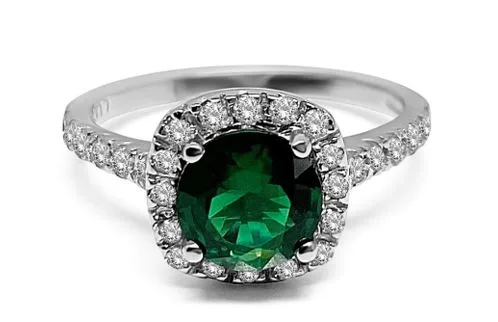
Sapphires, emeralds, and rubies are increasingly popular for engagement rings. They provide unique colour, symbolism, and individuality while remaining more affordable than diamonds.
PHOTO 1: An example of lab created emerald engagement ring. Photo Credit: Luxuria® Diamonds
The rise of realistic engagement rings
One of the biggest myths about alternatives is that they look “fake.” In reality, modern jewellery craftsmanship has advanced dramatically.
Today’s fake diamond rings that look real are designed using advanced cutting techniques and high-quality settings that maximise sparkle and realism.
Most people cannot tell the difference unless they are trained gemologists using specialised tools.
The financial advantage of diamond alternatives
Choosing a diamond alternative can save thousands of dollars.
Many couples prefer to redirect those savings toward:
- Travel and experiences
- Wedding expenses
- Home deposits
- Investments and savings
This shift reflects a broader cultural move toward smart financial planning and intentional spending.
Why alternative engagement rings are here to stay
Millennials and Gen Z are redefining tradition. Instead of following outdated expectations, they are prioritising:
- Financial responsibility
- Ethical purchasing
- Personal style
- Practical decision-making
This is why alternative engagement rings have become one of the fastest-growing jewellery trends worldwide.
Brands such as Luxuria Diamonds specialise in creating realistic and affordable rings designed for modern couples who want beauty without unnecessary expense.
Final thoughts
The engagement ring market is evolving. Today, couples have more choices than ever before, and diamond alternatives are leading the way.
Choosing an alternative doesn’t mean compromising on beauty or meaning. It simply means choosing a smarter, more practical way to celebrate commitment.
As more buyers discover the benefits of modern jewellery innovation, diamond alternatives will continue to redefine what engagement rings look like for the next generation.