How Body Confidence Changes After Cosmetic Procedures
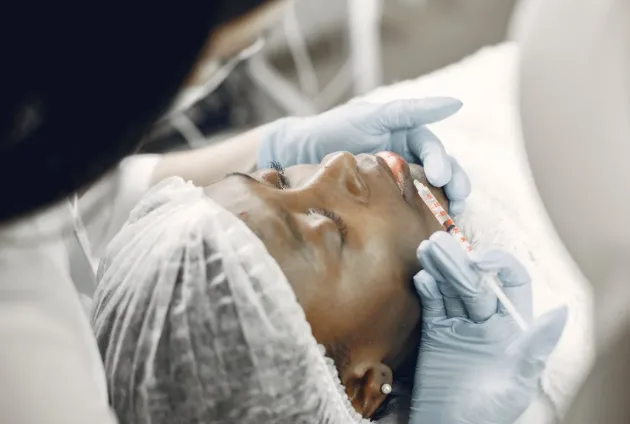
In Abuja, confidence often shows up in small daily moments. It appears in how people dress for work, attend weddings, or walk into social gatherings. Yet many people carry quiet worries about their bodies, even when everything else in life feels stable. As cosmetic procedures become more visible and openly discussed, more people start to ask an important question: Does changing your body actually change how you feel about yourself? The answer is not simple. Body confidence rarely shifts overnight. It develops through emotional adjustment, physical healing, and personal reflection.
This article looks beyond surface results to explain how confidence often changes after cosmetic procedures, what feels unexpected, and why patience plays a major role in how people truly feel in their bodies.
Confidence Goes Deeper Than Looks
Body confidence does not start or end with appearance. It connects to how comfortable you feel in your own skin and how you see yourself in daily life. Many people assume a physical change will instantly remove long-standing insecurity. In reality, confidence grows when expectations align with outcomes. Cosmetic procedures, including Brazilian butt lifts, can support confidence by improving body balance and helping people feel more comfortable with their natural shape. People who understand this often adjust better after surgery because they see the change as part of a broader personal journey. When confidence improves, it usually comes from feeling more at ease rather than chasing perfection, which is why many people look up Brazilian butt lift Abuja when they want to explore options that support confidence in a realistic and healthy way. Understanding this early helps people avoid disappointment and focus on realistic emotional growth.
Expectations Versus Real Experiences
Before a cosmetic procedure, many people imagine how they will feel once it is done. They picture immediate happiness and a boost in self-esteem. What they often do not expect is the adjustment period that follows. Swelling, healing, and waiting for results can test patience. Emotionally, some people feel unsure at first, even if the procedure goes well. This does not mean something went wrong. It means the mind needs time to catch up with physical change. When expectations stay flexible, people tend to feel calmer and more confident over time. Knowing that confidence builds gradually helps reduce anxiety during recovery.
The Early Recovery Phase
The first few weeks after a cosmetic procedure can feel confusing. The body looks different, but not yet settled. Swelling and soreness can make people question their decision. During this phase, confidence may dip instead of rise. This reaction is common and temporary. The body focuses on healing, and energy levels may feel lower than usual. People who prepare for this stage often handle it better. Rest, proper care, and realistic timelines help maintain emotional balance. As discomfort fades and movement becomes easier, confidence usually begins to return in small but noticeable ways.
Adjusting to a New Body Image
Seeing changes in the mirror can feel unfamiliar at first. Even when the results match expectations, the mind needs time to accept them. People often notice changes in how clothes fit or how they carry themselves. These moments help build comfort and self-trust. Confidence grows as the new body starts to feel normal rather than new. This adjustment does not happen in a single moment. It develops through daily routines, social interactions, and personal reflection. Allowing yourself time to adapt reduces pressure and supports a healthier relationship with your body.
How Other People’s Reactions Matter
Comments from others can influence confidence more than expected. Positive feedback may feel encouraging, but too much attention can also feel uncomfortable. Questions or opinions may trigger doubt, even when results look good. People who set clear boundaries tend to protect their confidence better. You do not owe anyone an explanation for personal choices. Confidence strengthens when you focus on how you feel rather than how others respond. Over time, external reactions matter less as self-acceptance grows. Learning to filter outside opinions plays a key role in long-term confidence.
Why Confidence Can Improve Slowly
Many people expect confidence to rise as soon as results appear. In reality, emotional change often moves at a different pace than physical healing. Confidence grows through repeated daily experiences, not instant approval. People start to notice it when they choose clothes without hesitation or feel less tense in social spaces. These shifts happen quietly. They depend on comfort, not excitement. Slow improvement does not mean the procedure failed. It often means the mind needs time to adjust to a new normal. When people allow confidence to grow naturally, it tends to feel more stable and lasting. Rushing this process can create pressure that works against emotional well-being.
The Impact of Comparison on Self-Esteem
Social media has made comparison almost unavoidable. Before and after photos can create unrealistic expectations, even when procedures go well. Every body heals differently and responds in its own way. When people measure their results against others, confidence can suffer. This comparison often ignores differences in body type, lifestyle, and recovery care. Focusing on personal progress helps protect self-esteem. Confidence improves when people judge results based on comfort and satisfaction rather than online images. Reducing comparison allows room for appreciation and patience. Over time, this shift helps people feel more grounded in their own bodies.
When Emotional Support Becomes Important
While many people adjust smoothly, others may feel overwhelmed during recovery or afterward. Emotional support can help during these moments. Talking with a trusted person allows space to process doubts or frustration. Some people benefit from speaking with a counselor, especially if body image concerns existed before the procedure. Seeking support does not signal weakness. It shows self-awareness. Confidence grows more easily when emotional health receives attention alongside physical care. Addressing feelings early prevents them from building into long-term dissatisfaction. Emotional support helps people move forward with clarity and balance.
Making Peace With Your Personal Journey
No two confidence journeys look the same. Some people feel relief quickly, while others need time to feel settled. Making peace with your own pace reduces stress and disappointment. Confidence improves when expectations stay realistic and personal. The goal is not constant happiness but comfort and acceptance. Cosmetic procedures may change the body, but confidence grows through reflection and patience. When people stop judging their progress, they often feel lighter and more secure. This mindset supports long-term satisfaction and a healthier relationship with their body.
Body confidence after cosmetic procedures does not follow a straight path. It develops through healing, emotional adjustment, and everyday experiences. Understanding this process helps people make informed choices. Physical changes can support confidence, but they do not replace self-awareness or patience. When expectations stay realistic and emotional health stays a priority, confidence tends to feel more stable and genuine. True confidence grows when people feel comfortable in their bodies, respect their personal journey, and allow change to unfold naturally over time.