Why Your Skincare Routine May Be Missing the “Magic Molecule”: Unlocking the Power of Vitamin C Serums
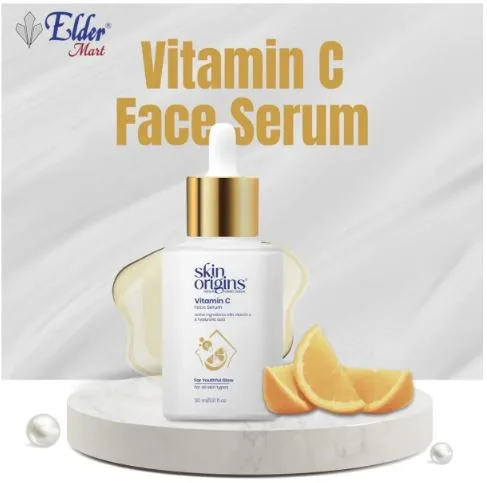
Walk into any skincare aisle and you are instantly faced with a sea of impressive-looking bottles—each promising brighter, healthier skin. Terms like stabilized, encapsulated, and high-strength can quickly become overwhelming.
Yet, among all modern skincare essentials, one product consistently bridges the gap between “trying hard” and naturally radiant skin: Vitamin C serum.
Unlike heavier creams that primarily sit on the skin’s surface, well-formulated serums are lightweight and designed for efficient absorption into the upper layers of the skin. If you have been wondering whether adding a Vitamin C serum to your routine is truly worthwhile, here is why this step continues to earn its place in dermatology-led skincare.
- Daily Antioxidant Support Against Environmental Stressors
We are often reminded that sun exposure contributes to visible skin ageing. While sunscreen remains essential, environmental factors such as UV exposure and pollution can generate free radicals that contribute to dullness and premature ageing.
Vitamin C is a well-known antioxidant that helps neutralize these free radicals. When used consistently, it supports the skin’s natural defense system and helps maintain a healthier, more radiant appearance.
Think of it as an added layer of daily antioxidant care working alongside your sunscreen.
2. Helping Reduce the Appearance of Dark Spots
Post-inflammatory hyperpigmentation—the marks left behind after breakouts or sun exposure—can be slow to fade and cosmetically concerning.
Vitamin C, along with ingredients like Niacinamide (Vitamin B3), is widely used in skincare formulations targeting uneven skin tone. These ingredients help interfere with melanin production pathways, which may gradually improve the appearance of dark spots and promote a more even-looking complexion.
Importantly, Vitamin C works to enhance skin radiance—not to lighten your natural skin tone.
3. Supporting Skin Firmness and Collagen Health
Collagen is the structural protein that helps skin appear firm and youthful. Natural collagen production begins to decline with age and environmental stress.
Vitamin C plays a supportive role in collagen synthesis within the skin. Regular topical use may help maintain skin firmness and improve the look of fine lines over time.
For nighttime repair routines, dermatology-guided ingredients like retinol are often used separately to support skin renewal.
4. Improving Overall Skin Texture
If skin appears congested or uneven—particularly around the nose and cheeks—excess oil and buildup may be contributing factors.
Niacinamide (Vitamin B3), frequently paired with Vitamin C in routines, helps support balanced sebum levels and strengthens the skin barrier. With consistent use, pores may appear less prominent and skin texture can look smoother and more refined.
5. Hydration Support That Complements Moisturizers
Dry-feeling skin is not always due to lack of oil—it is often related to reduced water content in the skin.
Pro-vitamin B5 (Panthenol), commonly found in advanced serums, functions as a humectant that helps attract and retain moisture. When included in serum formulations, it supports long-lasting hydration and helps skin feel soft and comfortable.
Pro Tip: Apply Vitamin C serum on clean, dry skin unless otherwise directed on the product label.
6. Comfort for Sensitive-Looking Skin
Those with sensitive skin often worry that active serums may be too harsh. However, many modern formulations combine Vitamin C with soothing antioxidants such as Vitamin E, which helps support the skin barrier and improve overall comfort.
Certain formulations may also include Vitamin K, which is sometimes used in products targeting the appearance of redness or uneven tone.
As always, individuals with very sensitive or compromised skin should consider a patch test or consult a dermatologist.
7. The Preventive Approach to Skin Ageing
Effective skincare is not only about correction—it is also about prevention.
Incorporating antioxidant protection, hydration support, and barrier-strengthening ingredients early in your routine helps maintain healthier-looking skin over time. Consistency today often translates into better skin resilience in the years ahead.
How to Layer Vitamin Serums Effectively
You do not need a complicated multi-step routine. A simple, consistent approach works best.
Morning Routine
- Cleanse
- Apply Vitamin C serum
- Moisturize
- Apply broad-spectrum sunscreen
Night Routine
- Cleanse
- Apply retinol or niacinamide (as suited to your skin)
- Follow with a nourishing night moisturizer
The Verdict: Is Vitamin C Serum Worth It?
While skincare trends come and go, Vitamin C serums remain firmly supported by dermatological science. When properly formulated and used consistently, they help support brighter, more even-looking, and resilient skin.
In a world of complex routines, this is one step that continues to deliver meaningful value.