How to Introduce a New Pet to Your Home and Other Animals
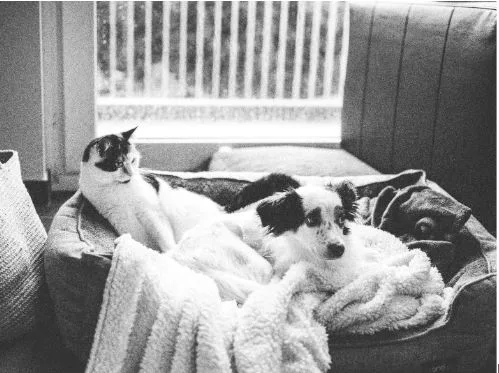
Bringing a new pet into your home sounds like a happy moment. It usually is. But it is also stressful in ways people do not talk about enough. There is excitement. But also worry, noise, tension, and a lot of watching and guessing.
Pets do not understand announcements. They do not care that you planned this for months. They only know something changed. And change is hard for animals. Even gentle ones. Even loving ones.
How you introduce a new pet really matters. One rushed meeting can create fear that sticks around. One calm start can save you months of stress later. This is not about perfection. It is about patience. And slowing down when everything in you wants to rush.
Understand That Your Home Is Already Taken
This is the first thing many people forget. Your home is not a neutral space. It smells like your current pet. It feels like theirs. They know where to sleep. Where to eat. Where to hide. That comfort matters a lot.
When a new pet walks in, your existing animal does not think logically. They feel invaded, confused, and sometimes threatened. Even if they are usually friendly. That reaction is normal. It does not mean they are bad or aggressive. It means they are animals.
So adjust your expectations early. You are not aiming for instant friendship. You are aiming for calm behavior. Curiosity without fear. Distance without drama. Anything better than that comes later.
Set Up a Safe Space Before Arrival
Before your new pet comes home, prepare a separate area just for them. This space should be quiet. Not busy. Somewhere they can breathe.
A bedroom works well. A small office. Even a bathroom for short periods. It does not need to be perfect. Just calm.
Add the basics.
- Food and water bowls
- Bedding that smells clean
- Toys for comfort
- Litter box, if needed
This space is not punishment. It is protection. New pets can feel stressed with everything new: smells, sounds, and rules. Too much too fast creates fear. Fear leads to bad reactions. Giving them space helps them settle. It helps your other pets feel less invaded, too.
Smell Comes Before Seeing
Animals learn the world through smell first. Always. Before pets meet face to face, let them smell each other. This step feels boring to humans. It is not boring to pets.
Swap bedding after the first day. Let your current pet sniff the new scent. Let the new pet smell your home slowly.
Place the scented item near food time. That helps create positive associations. “This smell exists. And nothing bad happened.”
Pay attention to reactions.
- Calm sniffing is good
- Walking away is okay
- Growling or hissing means slow down
Do not rush this step. Some pets need days. Others need weeks. There is no deadline.
First Visual Meeting Should Be Controlled
That first visual meeting between pets needs control. It can feel boring. But that’s not a big moment. No drama at all. Use barriers from the start. Baby gates help. Cracked doors work too. Pet pens, anything that keeps space and safety.
Keep it short. Five minutes is plenty in the beginning. Stop before tension shows up. Always end on a good note. Reward calm behavior right away. Soft praise, a few treats, low energy. Nothing loud.
Do not push closeness. Holding pets near each other takes away choice. That causes panic fast. Panic turns into aggression. Let them look. Let them think. Let them adjust. This slow, quiet start is how trust actually begins.
Introducing a New Dog to a Resident Dog
Dogs are social, but they still need structure. It helps to meet outside first. Neutral ground reduces territorial behavior.
Walk the dogs in parallel. Same direction. A little distance between them. Slowly close that distance if both stay calm. Avoid face-to-face greetings at first. That can feel intense and threatening.
Once inside the home, supervise closely.
- Feed separately
- Remove high-value toys early on
- Watch body language closely
Even friendly dogs can guard food or space when stressed. Management prevents problems. Also, give your original dog attention.
Introducing a New Cat to a Resident Cat
Cats need more time than most people expect. Keep cats separated at first. Days at minimum. Sometimes weeks.
Use scent swapping daily. Barrier introductions help a lot. Let them see each other without contact.
When they finally share space, keep it short. Give vertical spaces: shelves or cat trees.
Important things to remember:
- Hissing is communication
- Avoid forcing interaction
- Let cats choose distance
Cats do not “work it out” quickly. They negotiate territory slowly. Respect that process.
Introducing Dogs and Cats Together
People often get too confident. Dogs should stay leashed at first. Even the calm ones. Let the cat decide the distance. If the cat runs, the dog might chase. Instinct kicks in fast. No warning.
Reward calm behavior early. Redirect the dog before things feel tense. Do not wait. Some of the dogs have a strong prey drive. Love does not erase instinct. Management matters more. Safety always comes first.
Keep Existing Routines as Normal as Possible
Do not change everything at once. That stresses pets out. Keep feeding times the same. Walks too. Sleeping spots as well. Routine feels safe.
Even small changes matter. Pets notice everything. Keep their world steady while the new pet settles in.
Signs You Are Moving Too Fast
Pets show stress clearly if you pay attention.
Watch for changes like:
- Hiding or avoiding common areas
- Skipping meals
- Excessive grooming or licking
- Growling more than usual
- Accidents outside the litter box
These signs are not disobedience. They are communicating. If you see them, slow down. Go back a step. Adjust the pace. That is not failure. That is good ownership.
When a New Pet Is an Emotional Support Animal
Sometimes a new pet is not just a buddy. They are emotional support. They help you cope. If you are bringing one home with housing accommodations, paperwork matters. A legitimate ESA letter helps protect your rights. It also sets expectations with landlords and roommates. Fewer problems that way.
ESA status does not skip responsibility, though. Introductions still need care. Your other pets deserve patience. Nothing should feel rushed.
When You Need Extra Support
Not every introduction goes smoothly. That happens. It does not mean you failed. Some pets need more help. Trainers or behaviorists can step in and guide things safely. Early support prevents bigger issues later.
If your pet is part of your mental health support, knowing how to get ESA letter paperwork right can make housing less stressful. That way, you can focus on keeping a calm home for everyone.
Budgeting for a New Pet Transition
New pets can cost you more than expected. Gates, supplies, training, vet visits. It adds up. Planning helps a lot. Knowing ESA letter costs in advance avoids surprises. Less financial stress means more patience at home.
Children and New Pets Need Clear Rules
Kids get excited. Too excited sometimes. Set rules early, such as no grabbing, no chasing, and no forced hugs. Always supervise interactions. Even gentle kids move fast without realizing it.
Involve children in calm activities. Filling water bowls. Helping with feeding. Gentle play. This builds respect instead of chaos.
Be Patient With the Outcome
Not all pets become best friends. Some tolerate each other. Some ignore each other. Some need months to relax.
Peaceful coexistence is a success. You do not need cuddles. You need to be calm. Quiet. Safety. Slow introductions create trust that lasts. Rushed ones create stress that lingers.
Final Thoughts
Introducing a new pet is not about one moment. It is about many small moments. Stacked up slowly. Some days feel good. Other days feel heavy and tiring. That is normal. It really is.
Pay attention to the little signs. Slow down when things feel off. There is no deadline. Small wins matter.
Your pets are learning as they go. You are learning too. Give it time. Be patient with everyone involved.