Reclaiming Your Vitality: Beating a Sedentary Lifestyle in Your 40s, 50s, and Beyond
There is a subtle, almost imperceptible shift that happens as we enter our fourth and fifth decades of life. The daily habits that once kept us naturally active—walking across sprawling college campuses, chasing toddlers, or hustling in early-career jobs—begin to fade. They are replaced by the demands of senior career roles, long commutes, and the well-earned comfort of a soft sofa at the end of a stressful day.
For many in their 40s, 50s, and beyond, a sedentary lifestyle doesn’t arrive by choice; it creeps in through circumstance. We sit at our desks, we sit in our cars, and we sit to unwind. But while the comfort of sitting feels like a reward for our hard work, it often acts as a silent tax on our health. The good news? The human body is incredibly resilient. No matter your age, fitness history, or current physical condition, it is never too late to reverse the effects of a sedentary lifestyle and reclaim your physical vitality.
1. The Middle-Aged Metabolic Shift: Understanding the Stakes
To beat a sedentary lifestyle, we first need to understand what is happening inside the aging body. Around age 30, we begin to lose muscle mass and function—a natural process called sarcopenia. By the time we reach our 40s and 50s, this process accelerates, especially if we aren’t actively doing anything to stop it.
When muscle mass declines, our basal metabolic rate (the number of calories we burn at rest) slows down. This is why habits that kept you lean in your 20s suddenly lead to weight gain in your 40s. Furthermore, prolonged sitting exacerbates this issue by completely shutting down the major muscle groups in the legs and glutes. This drops the production of lipoprotein lipase, an enzyme essential for processing fat and glucose.
The health risks associated with chronic inactivity—often dubbed “sitting disease”—are profound. They include an increased risk of type 2 diabetes, cardiovascular disease, joint stiffness, and a significant decline in mental well-being. However, viewing these changes not as a death sentence, but as a biological signal to adapt, is the first step toward reclaiming your health.
2. Breaking the Inertia: The Power of NEAT
When people in their 40s and 50s decide to get fit, they often make the mistake of jumping straight into high-intensity workout regimens. This usually leads to burnout, joint pain, or injury. The secret to beating a sedentary lifestyle isn’t necessarily joining a gym; it begins with increasing your NEAT.
NEAT (Non-Exercise Activity Thermogenesis) refers to the calories you burn doing everything except sleeping, eating, and intentional exercise. This includes walking to the mailbox, fidgeting, doing dishes, or pacing while on a phone call.
How to Supercharge Your Daily Movement:
- The 30-Minute Rule: Set a gentle alarm on your phone or smartwatch to chime every 30 minutes during the workday. When it goes off, stand up, stretch your hip flexors, or walk to get a glass of water.
- Active Ergonomics: If you work at a desk, invest in a standing desk converter. Even standing for two hours a day can significantly increase your daily caloric burn and improve your posture.
- Walking Meetings: If you have phone calls or one-on-one meetings, take them on the move. Pacing around the office or walking outside not only increases step count but has been shown to boost creative thinking.
- Strategic Inconvenience: Park at the farthest end of the grocery store lot. Take the stairs instead of the elevator. By voluntarily choosing the “harder” path in small daily tasks, you naturally weave movement back into your life.
3. Low-Impact Cardio and the “Joy of Movement”
Once you have increased your baseline daily activity, the next step is incorporating dedicated cardiovascular movement. In your 40s and 50s, the goal of cardio should shift from “burning maximum calories” to “improving heart health while preserving joints.”
High-impact exercises like running on concrete can be punishing on aging knees and lower backs. Instead, focus on low-impact alternatives that elevate your heart rate without the pounding. Swimming and brisk walking are excellent choices, but for many, cycling offers the perfect blend of exploration and exercise.
The E-Bike Revolution
A major hurdle for older adults returning to exercise is the fear of fatigue or the inability to tackle physical obstacles like steep hills. This is where modern micro-mobility shines.
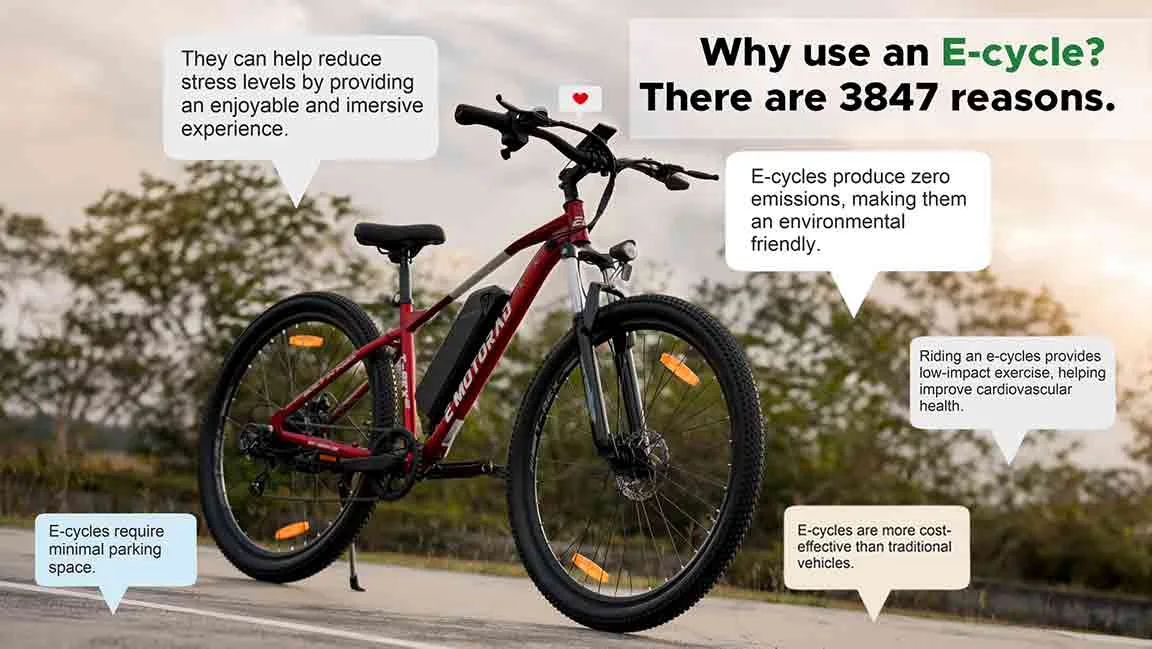
If you are intimidated by traditional cycling, exploring electric cycle benefits can be a game-changer for your health routine. E cycles allow you to control the level of pedal-assist you receive. You can choose to pedal unassisted on flat roads for a great workout, and then engage the electric motor to help you conquer steep hills or strong headwinds.
This scalability is perfect for aging joints. It eliminates the “fear factor” of getting stranded far from home because you know you have a motorized backup. Beyond the physical health perks, the mental health benefits of getting outside, exploring nature, and feeling the wind in your face are immeasurable for stress reduction in midlife.
4. Rebuilding the Foundation: Strength Training
Cardio is fantastic for your heart, but strength training is the true fountain of youth. As we age, maintaining muscle mass becomes the single most important factor in longevity and metabolic health. Strong muscles protect aging joints, support proper posture, and prevent the frailty that often accompanies later life.
Furthermore, weight-bearing exercises stimulate bone density, which is critical for preventing osteoporosis, particularly in women over 50.
Getting Started Safely:
You do not need to become a bodybuilder to reap the rewards of strength training. Just two sessions a week of full-body resistance training can halt and reverse age-related muscle loss.
- Bodyweight Basics: Start with the fundamentals. Wall push-ups, bodyweight squats, and glute bridges are fantastic, low-risk ways to condition your muscles.
- Resistance Bands: These are cheap, easy on the joints, and perfect for home workouts. They provide constant tension that is highly effective for building stabilizing muscles.
- Focus on the Core and Glutes: Decades of sitting weaken the core and glutes, leading to lower back pain. Exercises like the “Bird-Dog” and standard planks are essential for rebuilding this foundational strength.
5. Mobility, Flexibility, and Active Recovery
When you were in your 20s, you could probably jump out of bed and into a workout without a second thought. In your 40s and beyond, skipping the warm-up is a recipe for disaster. Tendons and ligaments lose elasticity as we age, making flexibility and mobility work non-negotiable parts of an active lifestyle.
- Dynamic Warm-ups: Before any activity—even a brisk walk—spend five minutes doing dynamic stretches like arm circles, leg swings, and torso twists to increase blood flow to the muscles.
- Static Stretching and Yoga: After your activity, or before bed, engage in static stretching. Holding stretches for 30 seconds helps elongate tight muscles. Incorporating a beginner-friendly yoga routine twice a week can drastically improve your balance, which is a key metric in preventing dangerous falls as you age.
- Prioritize Sleep: Movement is the stimulus, but rest is where the body actually rebuilds. Adults in their middle years need 7-8 hours of quality sleep to repair muscle tissue, regulate metabolism, and manage stress hormones.
6. Community and Consistency: The Final Puzzle Pieces
Finally, the most effective fitness program is the one you will actually stick to. Beating a sedentary lifestyle is not a 30-day challenge; it is a permanent lifestyle pivot.
In your 40s and 50s, social connection becomes a powerful motivator. Consider joining a local walking group, a water aerobics class, or a community cycling club. When your exercise routine is tied to social interaction, it stops feeling like a chore and starts feeling like a hobby.
Forgive yourself when life gets in the way. There will be weeks where work is overwhelming, or family demands take precedence. If you miss a few days of movement, do not let the inertia take hold again. Just get up and take a walk.
Conclusion
Transitioning out of a sedentary lifestyle in your 40s, 50s, and beyond is one of the most empowering choices you can make. It is an investment in your independence, your mental clarity, and your future years. By understanding your changing body, increasing your daily steps, leveraging modern tools like e-bikes, and building strength, you can successfully turn back the clock. Remember, movement is medicine, and the best time to start taking it is today.