The Forensic Hunt for Accountability in the Chaos of a Collision
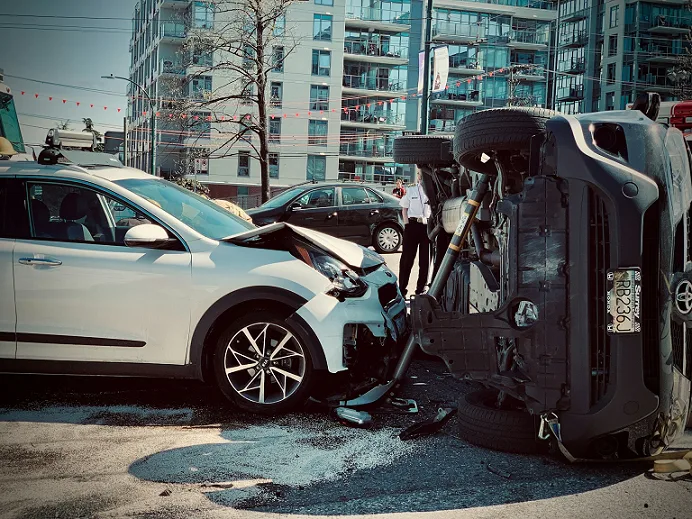
The immediate aftermath of a vehicle collision is a scene of overwhelming sensory input and high emotional stress. Twisted metal and shattered glass create a physical landscape of confusion that makes it difficult to remember exactly how the event unfolded. Most drivers find themselves in a state of shock, trying to process the sudden disruption of their day while checking for injuries.
Untangling the sequence of events requires a move away from human memory and toward a systematic review of the facts. In a city where traffic patterns are dense and intersections are constantly flowing, even a small error can lead to a massive pileup. The legal system provides a structured framework for sorting through these variables to find the truth behind the wreckage.
Determining the actual source of the negligence is a forensic task that involves analyzing everything from the pavement to the internal computer logs of the cars. It is a high stakes process because the final decision on car accident fault dictates who receives compensation and who is left with the bills. Every piece of data collected in the hours following the impact serves as a vital building block for the legal claim.
The Strict Reality of Contributory Negligence
Maryland remains one of the few jurisdictions in the country that adheres to the traditional and harsh rule of contributory negligence. This doctrine states that if an injured person is even slightly responsible for the crash, they are completely barred from recovering any money. It is an all or nothing system that offers very little room for error on the part of the victim.
Under this rule, being found only one percent at fault is enough for an insurance company to deny a claim in its entirety. This creates a defensive environment where insurance adjusters look for any possible reason to suggest that the victim was speeding or distracted. They use every available detail to chip away at the credibility of the person seeking damages for their losses.
The impact of this strict standard means that every single action taken by the driver in the seconds before the impact is scrutinized. A failure to use a turn signal or a split second delay in braking can result in a total financial loss for a family. Navigating this legal landscape requires a proactive defense that focuses on proving the total innocence of the client through objective data.
The Police Report vs Physical Evidence
When an officer arrives at the scene of a crash, their primary responsibility is to clear the road and ensure that medical help is provided to those in need. The initial report they generate is based on a quick survey of the damage and the statements provided by the participants. While this document is an important starting point, it is far from being the final word on liability.
Officers are human and can misinterpret the position of the vehicles or miss subtle clues that point toward the actual cause of the collision. They are often working under pressure in dangerous environments where the flow of traffic is still a threat. A report might list a specific driver as being at fault based on a biased witness statement that does not match the mechanical reality.
This is why a successful legal strategy treats the police report as a living document that can be challenged with physical evidence. Skid marks on the asphalt and the specific crush patterns on the bumpers tell a much more reliable story than a quick interview. Proving what actually happened requires looking past the officer’s initial assessment to find the forensic truth on the ground.
The Role of Digital Witnesses
Modern technology has introduced a variety of digital tools that have revolutionized how we investigate accidents on busy urban streets. Dashcam footage is perhaps the most powerful of these tools, providing an unwavering and unbiased view of the signals and the road. It captures the exact second a driver ran a red light or drifted out of their lane without warning.
Many vehicles are also equipped with an Event Data Recorder, often referred to as a black box, which logs critical technical data. This device records the speed of the car, the amount of brake pressure applied, and whether the seatbelts were engaged at the time of the impact. This data provides a technical narrative that is impossible for a negligent driver to argue against in court.
Nearby business security cameras and municipal traffic sensors offer additional perspectives that can resolve a dispute over right of way. These cameras often capture the flow of traffic from a distance, showing the overall behavior of the motorists before they reached the junction. Gathering this digital evidence quickly is essential for building a resilient case that can withstand the scrutiny of a jury.
Engineering an Expert Reconstruction
For cases where the liability remains in question, legal teams often bring in professional engineers to perform a formal accident reconstruction. these experts use advanced software and the laws of physics to recreate the movement of the vehicles in a virtual environment. They turn the debris field into a scientific equation that reveals the exact speeds and angles of the impact.
Skid marks are measured with precision to calculate the friction coefficient of the road surface at that specific moment. This allows the engineer to determine if a driver was traveling too fast for the conditions or if they failed to apply the brakes at all. These findings provide a factual foundation that removes the guesswork from the decision making process for the legal system.
Crush patterns on the side panels and frames of the cars are also analyzed to determine the energy transfer involved in the collision. This helps to show which vehicle was the primary moving object and which one was stationary at the time of the hit. Engineering a recreation provides the objective clarity needed to overcome the confusion of conflicting human testimonies after a traumatic event.
Conclusion
Securing an early and objective analysis of the facts is the only way to find justice in a state with such unforgiving negligence laws. Waiting even a few days to begin an investigation can result in the loss of critical evidence or the fading of witness memories. The pursuit of the truth is a race against time that begins as soon as the vehicles come to a rest.
Accountability is the cornerstone of a safe driving environment for everyone in the community. When a negligent party is held responsible for their actions, it sends a message that the rules of the road must be respected. The legal system works best when it is fueled by cold data and professional analysis rather than assumptions or quick impressions.
Ultimately, the goal of a forensic hunt for the truth is to provide the resources needed for a full and healthy recovery. No one should be denied their rights because of a minor misunderstanding of the physics of a crash. By mapping out the momentum of the event, the legal system can ensure that the scales of justice remain balanced for the victim.