Environmental Benefits of Using Industrial Pumps in the Water and Wastewater Industry
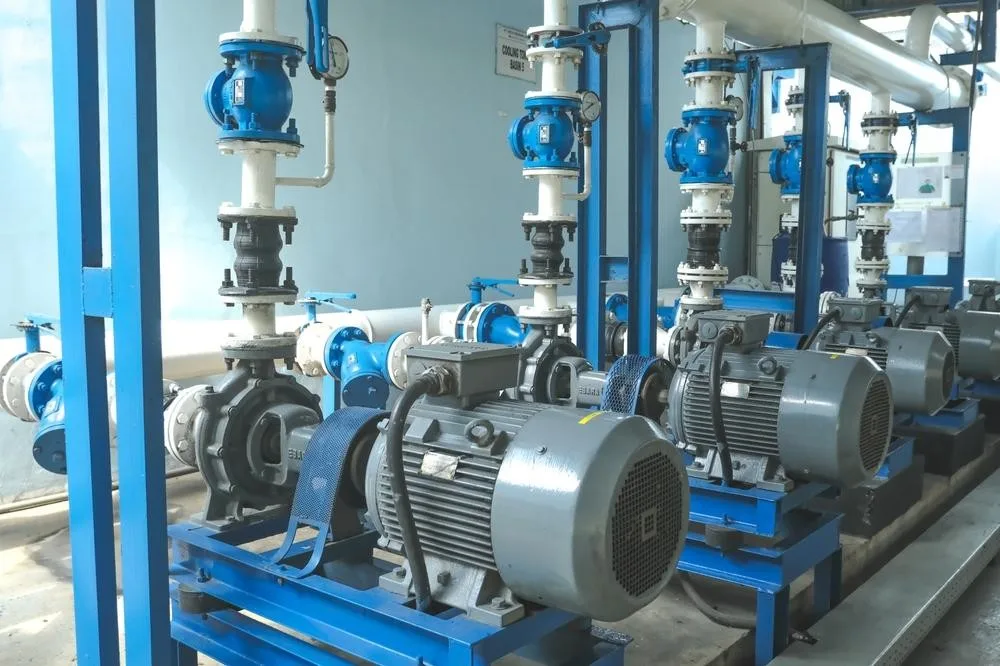
Water and wastewater management plays a very important role in protecting the environment and public health. Behind every treatment plant and water distribution system, industrial pumps work continuously to move water safely and efficiently. Today, with rising water scarcity and strict environmental rules, industries and municipalities are focusing on sustainable water practices. Industrial pumps for water and wastewater systems help reduce energy use, control water loss, and support cleaner treatment processes. Choosing the right pump technology directly supports long-term environmental sustainability.
Reducing Energy Consumption and Carbon Emissions Through Efficient Pumping Systems
Water and wastewater facilities consume a large amount of electricity every day. Old or poorly designed pumps waste energy and increase operational costs. Modern industrial pumps are designed to deliver high performance with lower power consumption. When pumps are properly sized and designed with efficient hydraulics, they require less electricity to move the same volume of water.
Lower energy use means fewer carbon emissions from power generation, which directly benefits the environment. Many facilities today are upgrading their pumping systems to reduce their carbon footprint and meet sustainability targets. Energy-efficient pumps also operate smoothly, reducing vibration and mechanical stress, which improves equipment life. Over time, this results in fewer replacements and less industrial waste. The environmental benefits of industrial pumps become clear when energy savings and emission reduction work together for a greener water infrastructure.
Minimizing Water Loss and Preventing Leakage in Water Infrastructure
Water loss due to leakage is a major problem in water distribution and wastewater systems. Leaks not only waste precious water but also increase the energy required for pumping and treatment. High-quality industrial pumps help maintain steady flow and pressure, reducing stress on pipelines and joints.
Pumps made from corrosion-resistant materials perform well even in harsh environments where metal pumps may fail. Non-metallic pump components resist rust, scaling, and chemical damage, helping prevent seal failure and leakage. This improves system reliability and reduces maintenance work. By preventing water loss, pumping systems support sustainable water infrastructure for pumps and help conserve natural water resources that are already under pressure in many regions.
Supporting Safe and Environmentally Responsible Chemical Handling
Water and wastewater treatment requires the use of chemicals such as acids, alkalis, and disinfectants. Handling these chemicals safely is very important to avoid environmental damage. Chemical pumps for water treatment are designed to transfer aggressive fluids without leakage or material breakdown.
Non-metallic pumps offer strong resistance to chemical corrosion, making them suitable for dosing and transfer applications. When chemicals are handled properly, the risk of soil and groundwater contamination is reduced. This protects nearby ecosystems and ensures safer working conditions for plant operators. Reliable chemical transfer systems also reduce accidental spills, which can cause long-term environmental harm. Using the right pump material is a responsible step towards cleaner and safer treatment operations.
Enhancing Wastewater Treatment Efficiency and Regulatory Compliance
Effective wastewater treatment depends on consistent and controlled fluid movement. Wastewater treatment pumps support critical processes such as chemical dosing, sludge handling, and effluent transfer. Reliable pumping ensures that treatment processes operate smoothly without interruptions.
When treatment systems perform efficiently, treated water meets discharge standards before being released into rivers or reused. This helps facilities comply with environmental regulations and protect natural water bodies from pollution. Durable pump systems reduce breakdowns and unplanned shutdowns, which can otherwise lead to untreated discharge. A well-designed pumping setup plays a silent but vital role in maintaining environmental compliance.
Conclusion: Industrial Pumps as a Key Driver of Environmental Sustainability
Industrial pumps play a vital role in sustainable water and wastewater management. By reducing energy use, controlling leaks, and ensuring safe chemical handling, they help lower environmental impact. Selecting corrosion-resistant solutions from experienced non metallic pump manufacturers in India supports reliable operations, regulatory compliance, and long-term environmental protection.