The Future of Travel Gear: Why Vacuum Compression Backpacks Are Making Headlines
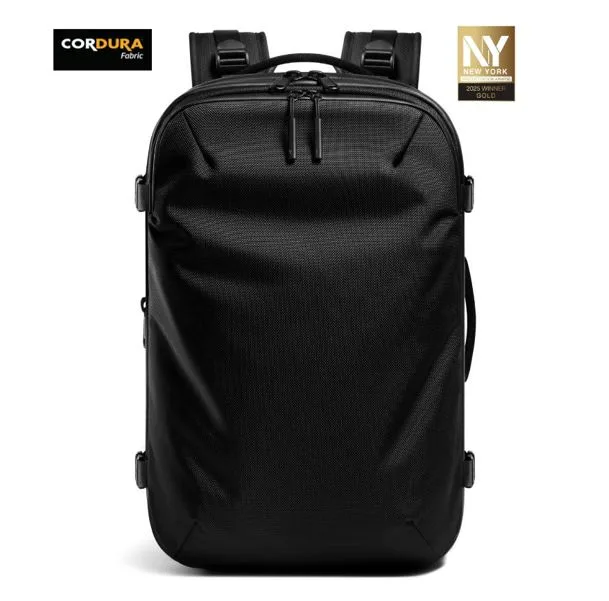
From foldable smartphones to solar‑powered chargers, the world of consumer technology is constantly evolving. Travel gear is no exception. In recent years, news outlets have highlighted innovations that make life on the road more efficient and sustainable. One piece of equipment getting serious buzz is the vacuum compression backpack. This isn’t just a flashy gimmick; it’s a well‑engineered solution to a problem that many frequent flyers and weekend adventurers face: limited space.
Understanding the technology
At its core, a vacuum compression backpack features one or more sealed compartments with a valve or integrated pump. You place soft items—clothing, blankets or towels—into the compartment, seal it and then remove the air. By expelling trapped air, the volume of those items decreases dramatically. The result is a slimmer, more compact pack. Some premium models even incorporate rechargeable pumps and pressure indicators, adding a techy touch that appeals to gadget enthusiasts.
Key benefits for today’s travelers
Portability: With airlines imposing stricter carry‑on requirements and charging higher fees for checked bags, saving space is more valuable than ever. A vacuum compression backpack can transform a pile of clothing into a flat stack, making it easier to meet size restrictions without sacrificing essentials.
Organization: These backpacks are designed with multiple compartments. Separate pockets for laptops, passports and toiletries keep everything in its place. You won’t waste time rummaging through a mess of clothes when boarding calls are announced.
Durability: Quality compression backpacks use high‑density fabrics, reinforced stitching and sturdy valves that can withstand repeated use. Unlike flimsy plastic bags that tear after a few trips, a well‑made pack is built to last.
Adaptability:Travelers aren’t one‑size‑fits‑all, and neither are these backpacks. Whether you’re heading to a business conference or a camping trip, you can choose from various sizes and styles. Some even transition from backpack to duffel, giving you options on the go.
Potential drawbacks and considerations
While vacuum compression backpacks offer plenty of perks, there are a few considerations to keep in mind:
- Cost: High‑quality designs with integrated pumps and durable fabric can be pricier than standard backpacks. Consider your travel frequency and needs before investing.
- Learning curve: Using the compression system effectively requires practice. It takes a few tries to perfect the rolling technique or to know when you’ve expelled enough air.
- Valve maintenance: The valves or pumps can wear out over time if not maintained properly. Always follow manufacturer instructions and clean the valve regularly to ensure it seals tightly.
- Accessibility: Compressed clothing is compact but not easily accessible. If you need to grab something quickly at the airport, plan ahead so the items you’ll need first aren’t sealed away.
Tips for choosing the right vacuum compression backpack
To find a backpack that suits your travel style, consider the following factors:
- Capacity and dimensions: Evaluate how much you usually pack. Do you travel for a few days or weeks at a time? Choose a liter size that accommodates your typical wardrobe and any gear you carry.
- Valve or pump type: Some backpacks rely on a manual roll‑up valve, while others include a built‑in pump or even electric options. Manual valves are lightweight and simple; pumps can be faster but may add weight.
- Material quality: Look for water‑resistant fabric, heavy‑duty zippers and strong inner linings. A backpack is an investment; durable materials will prolong its life.
- Comfort: Padded straps and breathable back panels are a must, especially if you’ll be carrying the backpack for long periods. Adjustable sternum and waist straps help distribute weight evenly.
- Brand reputation: Check reviews and customer feedback. Reputable brands often offer warranties or responsive customer service in case something goes wrong.
Market outlook and sustainability
Analysts project that the travel gear market will continue to grow as remote work and lifestyle travel remain popular. Consumers are also increasingly conscious of their environmental impact. Purchasing a single, versatile backpack instead of multiple specialized bags reduces waste. Many manufacturers are incorporating recycled fabrics and eco‑friendly components, appealing to travelers who want to minimize their footprint.
As more people discover the convenience of space‑saving luggage, we can expect to see new features emerge—such as integrated tracking devices, solar charging panels or companion apps that monitor how much you’ve packed. Forward‑thinking companies are already exploring these possibilities.
Where to find quality gear
If you’re ready to try this modern approach to packing, explore the offerings from Black Voyage. This travel brand specializes in thoughtfully designed products that blend durability with style. Their collection of vacuum‑seal backpacks, packing cubes and accessories caters to both casual tourists and seasoned globetrotters. Investing in well‑made gear from a trusted brand ensures you’ll enjoy the benefits of vacuum compression for years to come.
Ultimately, a vacuum compression backpack represents more than a clever piece of luggage. It reflects a shift toward smarter, more sustainable travel. By compressing your belongings, you create room for what matters—new experiences, meaningful connections and the peace of mind that comes from being prepared. Stay tuned to Big News Network for more insights on the innovations transforming travel.