Pearl Necklace Meaning: What It Really Means in Different Contexts
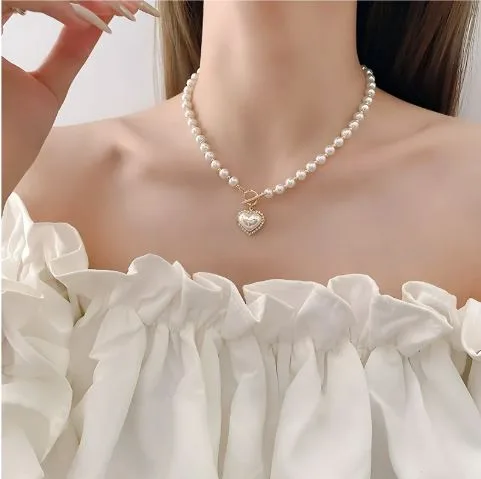
The phrase “pearl necklace” carries multiple meanings depending on context—jewellery, culture, gifting, fashion, and informal language. For most people in everyday British English, it simply refers to a beautiful piece of jewellery. However, awareness of how the meaning shifts across different contexts helps you interpret and use the term correctly in real life. This article explains the primary meanings of pearl necklaces in jewellery and cultural contexts, explores their rich symbolism and gifting traditions, and briefly addresses why the phrase can sometimes be misunderstood online. Whether you’re shopping for pearls, researching their cultural significance, or simply curious about the term, understanding these different contexts ensures clarity and confidence.
Pearl Necklace Meaning in Jewellery & Fashion Contexts
Within jewellery and fashion, pearl necklaces carry rich symbolic meaning that extends far beyond their material value. Understanding why pearls hold such significance helps explain their enduring popularity.
Why Pearls Are Symbolic Materials
Pearls possess unique characteristics that distinguish them from other gemstones and contribute to their symbolic weight in jewellery contexts.
Natural formation process: Unlike mined gemstones, pearls form organically when an irritant enters an oyster or mussel, which then coats it with layers of nacre over several years. This gradual transformation from irritation to beauty creates a powerful metaphor for growth, patience, and the development of something precious through time and natural processes. The pearl necklace meaning in jewellery contexts draws heavily on this formation story.
Rarity and craftsmanship: Historically, natural pearls were extraordinarily rare, accessible only to royalty and the extremely wealthy. Even today’s cultured pearls require careful cultivation, harvesting, sorting, and matching to create a cohesive necklace. This combination of natural beauty and human craftsmanship gives pearl necklaces their status as luxury items that represent both nature’s artistry and human skill.
Emotional associations: Over centuries, pearls have accumulated emotional associations with purity, wisdom, elegance, and timeless beauty. These associations mean that wearing a pearl necklace communicates not just aesthetic taste but also values—appreciation for tradition, understanding of quality, and connection to cultural heritage.
What Wearing a Pearl Necklace Symbolises
When someone chooses to wear a pearl necklace, they’re making a statement that goes beyond simple decoration. The pearl necklace meaning encompasses several interconnected qualities.
Elegance and restraint: Pearl necklaces epitomise classic jewellery that doesn’t demand attention but quietly commands respect. Unlike flashy gemstones that sparkle dramatically, pearls possess a subtle lustre that suggests refinement and sophistication. Wearing pearls signals an appreciation for understated luxury—quality that doesn’t need to announce itself.
Femininity and softness: Traditionally, pearls have been associated with idealised femininity—graceful, dignified, and composed. The smooth, rounded forms and gentle lustre of pearls contribute to this association. However, contemporary fashion increasingly challenges these gendered associations, with pearls worn by people of all genders as symbols of personal style.
Confidence without excess: Choosing a pearl necklace suggests confidence that doesn’t require ostentation. The wearer feels no need to prove status through the most expensive or flashiest jewellery, instead selecting timeless pieces that reflect enduring values.
Cultural & Social Meaning of a Pearl Necklace
Pearl necklaces carry significant cultural weight, particularly in British and European contexts, where they’ve been intertwined with social traditions for centuries.
Historical and Social Significance
Pearls as historical status objects: For most of human history, natural pearls were among the rarest and most valuable objects on Earth. Owning a pearl necklace signalled extraordinary wealth and social position. European royalty—particularly British monarchs like Queen Elizabeth I—wore elaborate pearl necklaces as visual demonstrations of power, legitimacy, and connection to international trade networks.
Used by aristocracy and royalty: British royal portraits consistently feature pearl necklaces prominently, establishing them as symbols of dignity, tradition, and aristocratic heritage. This royal association created aspirational desire among broader society, with pearls representing not just wealth but also respectability and good taste.
Shift from exclusivity to accessibility: The development of cultured pearls in the early 20th century dramatically changed pearl availability. What was once affordable only to royalty became accessible to middle-class consumers. However, rather than diminishing pearl prestige, this democratisation expanded their cultural significance.
Meaning in Modern British Culture
In contemporary British society, pearl necklaces continue to carry specific cultural meanings and serve particular social functions.
Formal events and ceremonies: Pearl necklaces remain standard appropriate jewellery for formal British occasions—weddings, christenings, formal dinners, ceremonial events, and professional gatherings requiring formal dress. Their presence signals understanding of and respect for social protocols.
Symbol of respectability and tradition: Wearing pearls in British culture suggests connection to tradition and appreciation for heritage. This doesn’t necessarily mean conservative values, but rather an understanding that certain contexts call for time-honoured forms of dress and presentation.
Why pearls still feel “appropriate” today: Despite dramatic changes in fashion and social norms, pearl necklaces maintain their reputation as universally appropriate jewellery. This enduring appropriateness stems from their understated nature—they enhance without overwhelming, complement without competing, and suit virtually any colouring, outfit, or occasion.
What a Pearl Necklace Means as a Gift
The context of gifting adds additional layers to pearl necklace meaning, making pearls particularly significant presents for important occasions.
Emotional Meaning Behind Gifting Pearls
Long-term affection: Unlike gemstones associated with passionate romance (such as rubies) or eternal commitment (diamonds), pearls represent steady, enduring affection built on respect and shared values. Gifting a pearl necklace suggests the giver values the relationship’s depth and longevity.
Respect and admiration: Pearl gifts often communicate respect for the recipient’s accomplishments, character, or position in the giver’s life. This makes pearls particularly appropriate for gifts from parents to children, mentors to students, or between friends marking significant achievements.
Non-impulsive luxury: Pearls represent thoughtful luxury rather than impulsive extravagance. Giving pearls suggests the gift was carefully considered, chosen for lasting value rather than momentary impact.
Situations Where Pearl Necklaces Are Commonly Gifted
Weddings: Pearl necklaces are classic bridal jewellery and wedding gifts. Brides often wear pearls to symbolise purity and new beginnings. Parents frequently gift pearl necklaces to daughters on wedding days, creating heirloom pieces with profound emotional significance.
Milestones: Graduations, significant birthdays (particularly 30th, representing wisdom gained), career achievements, and retirement all call for pearl gifts. The pearl’s formation through time and patience makes it an ideal symbol for accomplishments requiring persistence and growth.
Family heirlooms: Perhaps the most meaningful pearl gifts are those passed through generations. When a grandmother’s pearl necklace is given to a granddaughter, it carries family history, memories, and continuity. These heirloom pieces possess emotional value far exceeding their considerable material worth.
Does the Style of the Pearl Necklace Change Its Meaning?
The specific style, length, and configuration of a pearl necklace subtly influence its symbolic meaning and the contexts where it’s most appropriate.
Single-Strand vs Statement Pearl Necklaces
Single-strand: minimalism and tradition: A classic single strand of pearls represents the most traditional pearl necklace style, carrying the fullest weight of pearl symbolism. This configuration emphasises simplicity, restraint, and timeless elegance. Their versatility and understated nature make them the most universally appropriate pearl style.
Statement pieces: formality and presence: Multi-strand pearl necklaces or elaborately designed pieces project greater visual impact and formality. These statement pieces suit the most formal occasions—galas, state dinners, ceremonial events—where more substantial jewellery is expected.
Choker, Long Strand, Layered Pearls
Pearl chokers: confidence and modernity: Choker-length pearl necklaces project contemporary femininity and fashion confidence. Popular in various eras from the 1920s to today, pearl chokers feel more fashion-forward than traditional lengths.
Long strands: versatility and drama: Opera-length or rope-length pearls offer remarkable styling versatility. They can be worn long for dramatic effect, doubled for layered elegance, or knotted creatively.
Layered pearls: individuality and contemporary style: Wearing multiple pearl necklaces of different lengths simultaneously creates visual interest and personal expression. This contemporary approach demonstrates confidence in mixing tradition with modern fashion sensibilities.
Modern & Contemporary Interpretations of Pearl Necklaces
Contemporary culture has expanded and evolved pearl necklace meaning beyond traditional boundaries, creating space for diverse interpretations.
Pearls in Gender-Neutral and Contemporary Fashion
Beyond traditional gender norms: Men wearing pearl necklaces—from Harry Styles to Pharrell Williams—represent a significant cultural shift. This evolution expands the pearl necklace meaning to encompass self-expression beyond gendered expectations. Pearls symbolise elegance and sophistication regardless of the wearer’s gender identity.
Personal identity expression: Contemporary wearers often choose pearls specifically as identity statements—signalling appreciation for quality, connection to tradition, or intentional restraint. The pearl necklace’s meaning becomes a deliberate personal declaration about values and aesthetic sensibilities.
From Tradition to Personal Meaning
Wearing pearls for self, not symbolism: Many contemporary wearers select pearl necklaces simply because they love them, without concern for traditional meanings or social signals. This represents a shift from wearing pearls to meet external expectations toward wearing them for personal pleasure.
Emotional empowerment through style: Some modern wearers view their pearl necklaces as personal talismans—pieces worn during important presentations or challenging situations. The pearls become symbols of personal strength and self-assurance.
Frequently Asked Questions
What does a pearl necklace symbolise emotionally?
Emotionally, pearl necklaces symbolise wisdom, patience, and beauty developed through time. The pearl’s gradual formation represents personal growth and transformation. They also symbolise purity, enduring love, and timeless elegance.
Is a pearl necklace a romantic gift?
Yes, but pearls represent steady, enduring affection rather than passionate romance. Giving a pearl necklace suggests deep respect, long-term commitment, and appreciation for the recipient’s character. Pearls are particularly appropriate for anniversaries and milestone celebrations.
Does wearing pearls say something about personality?
Wearing pearls typically suggests appreciation for timeless elegance, respect for tradition, and confidence that doesn’t require ostentation. It often indicates sophistication and values that prioritise enduring quality over fleeting trends.
Are pearl necklaces old-fashioned or modern?
Pearl necklaces are both traditional and thoroughly modern. Whilst they carry centuries of cultural significance, contemporary styling and gender-neutral fashion have made pearls feel fresh and relevant. They bridge respect for tradition with current personal expression.
Why does “pearl necklace” have different meanings online?
Informal internet slang has created an unrelated explicit meaning that exists separately from the standard jewellery definition. Context always clarifies which meaning is intended—mainstream discussions clearly reference actual pearl jewellery.
Final Thoughts — Understanding the Meaning Behind a Pearl Necklace
The meaning of a pearl necklace depends fundamentally on context, culture, and intention. In standard British English and mainstream contexts, it refers to beautiful jewellery with rich symbolic associations—elegance, wisdom, tradition, and timeless beauty. This jewellery meaning remains dominant and primary.
Whether given as meaningful gifts, inherited as family heirlooms, or chosen for personal style, pearl necklaces carry profound significance that transcends their material beauty. Understanding their layered meanings—from historical royal status symbols to contemporary gender-neutral fashion—enriches appreciation for these remarkable pieces. Awareness of language nuance, including unrelated slang meanings in specific informal contexts, ensures clarity when discussing, purchasing, or wearing pearls.
Discover the perfect pearl necklace that embodies timeless elegance and personal meaning at Glimma Style. Our collection celebrates the enduring beauty and sophisticated symbolism that make pearl necklaces treasured across generations and cultures.