How Voltage Protection Relays Protect Data Centers and Critical Facilities
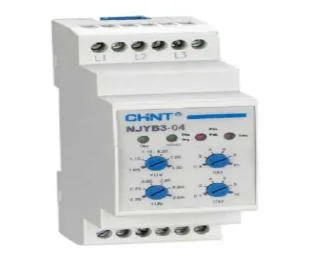
In data centers and critical facilities, electrical stability is not just a technical requirement. It is the foundation of uptime, safety, and operational continuity. Even a short voltage disturbance can cause sensitive systems to behave unpredictably, shut down unexpectedly, or degrade over time. And because many critical environments operate around the clock, these disruptions can quickly escalate into costly downtime.
This is where a voltage protection relay becomes highly relevant. It acts as a monitoring and response device that helps detect abnormal voltage conditions early and initiate protective actions before equipment is damaged or operations are interrupted. Understanding how these relays work and where they fit into a power system helps you make better decisions when designing or maintaining critical infrastructure.
Understanding Voltage Protection Relays
What Is a Voltage Protection Relay?
A voltage protection relay is an electrical device designed to measure and monitor system voltage levels continuously. It detects abnormal conditions, such as overvoltage, undervoltage, or phase issues, and triggers control actions like disconnecting power or signaling alarms.
Here’s what a typical voltage protection relay does:
- Measures voltage levels in real time.
- Compares measured voltages to predefined safe thresholds.
- Activates switchgear or sends a signal to protect utilities when anomalies occur.
For critical facilities, this kind of proactive monitoring helps maintain uptime and protects sensitive equipment from electrical stress.
How Voltage Protection Relays Work
Voltage protection relays use internal sensing circuits to continuously monitor the electrical voltage in your power distribution system. When the voltage goes above (overvoltage) or below (undervoltage) preset limits, the relay responds by opening contacts that disconnect the power or integrating with the control system to initiate a safe shutdown.
Advanced relays may include:
- Adjustable thresholds: So you can define specific voltage ranges relevant to your facility.
- Delay settings: To avoid nuisance trips from short, harmless disturbances.
- Status indicators: To give visual confirmation of operating or fault conditions.
Fundamentally, these devices act as your first line of defense against voltage anomalies that can compromise power quality.
Why Voltage Protection Matters in Critical Facilities
Power disturbances are common in real-world electrical networks. Utility supply variations, switching operations, lightning-related transients, or large motor loads can all affect voltage stability. In a residential setting, a voltage dip may only cause lights to flicker. In a critical facility, the same dip can disrupt servers, networking systems, cooling equipment, or building controls.
Some common pain points include:
- Unexpected shutdowns caused by undervoltage conditions
- Equipment damage from repeated overvoltage events
- Phase-related faults leading to overheating or unstable performance
A voltage protection relay helps address these risks by reacting faster than manual intervention and by preventing faults from spreading deeper into the electrical system.
Core Protection Functions in Voltage Protection Relays
Overvoltage and Undervoltage Protection
Overvoltage happens when supply voltage rises above normal limits, which can stress insulation and damage sensitive equipment. Undervoltage occurs when voltage drops too low, potentially causing motors to stall or electronics to reset unexpectedly.
A voltage protection relay detects these abnormal conditions early and can disconnect affected circuits to reduce equipment stress and avoid operational disruption.
Phase Loss and Phase Sequence Monitoring
In three-phase systems, phase faults can be highly damaging. Phase loss can quickly overheat motors and other rotating equipment, while incorrect phase sequence may cause motors to run in reverse and disrupt mechanical operations.
Many relays automatically detect these faults, which is especially important in facilities relying on three-phase power for cooling, pumps, and distribution systems.
Voltage Imbalance Protection
Voltage imbalance occurs when phase voltages are uneven, which can increase current draw and raise operating temperatures in motors and transformers. Over time, this reduces efficiency and accelerates wear.
Monitoring imbalance adds an extra layer of protection, particularly in facilities with shifting loads or uneven electrical distribution.
How Voltage Protection Relays Fit Into a Facility Power Architecture
A voltage protection relay is typically installed within a distribution panel, switchgear lineup, or control cabinet. It is often wired into control circuits that manage contactors, breakers, alarms, or interlocks. While the relay itself may not carry the load current, it influences whether the load remains connected.
In modern facilities, voltage protection relays may also be connected to monitoring systems so that faults are logged and alerts are sent to operators. This makes the relay useful not only for protection but also for diagnostics and long-term power quality analysis.
Coordination with UPS and Backup Power Systems
Critical facilities often rely on UPS systems, generators, and transfer switches, making voltage instability more likely during power source transitions. Generator startup or switching events can cause brief dips or fluctuations.
A voltage protection relay helps detect unsafe voltage during these moments and can prevent sensitive loads from reconnecting until stable power is restored.
Common Technical Characteristics to Consider
Not all voltage protection relays offer the same capabilities. Some are designed for single-phase systems, while others support three-phase networks and provide phase-related monitoring features. Settings flexibility also varies, and this can significantly affect how well the relay performs in real facility conditions.
When evaluating options, you typically want to consider:
- Voltage range compatibility (single-phase vs. three-phase)
- Adjustable overvoltage and undervoltage thresholds
- Delay time settings for trip and reset
- Visual indicators or status outputs
- Contact output ratings and control circuit compatibility
These technical details determine whether the relay will behave reliably under real-world disturbances.
Practical Selection Criteria for Data Centers and Critical Facilities
Match the Relay to the Facility Voltage System
A relay must match the facility’s voltage type, frequency, and wiring configuration. Incorrect compatibility can cause inaccurate sensing or nuisance trips.
You should also consider where it will be installed, such as utility input, generator output, or downstream distribution, since each point may require different protection behavior. Manufacturers such as CHINT offer voltage protection relay models designed for various single-phase and three-phase applications, allowing you to select specifications that align with your system requirements.
Set Thresholds Based on Real Operating Conditions
Voltage limits should align with equipment tolerance and operational risk. Overly strict settings may cause unnecessary shutdowns, while loose settings may allow damage over time.
Using equipment specs, power quality history, and appropriate delay settings helps ensure stable and reliable protection.
Maintenance and Testing Best Practices
Even the most advanced relay cannot protect your facility if it is misconfigured, poorly installed, or never tested. Routine maintenance ensures that settings remain appropriate and that the relay’s sensing and output contacts are still functioning correctly.
A basic preventive maintenance approach often includes:
- Verifying setpoints and delay settings against facility requirements
- Inspecting wiring connections and terminal tightness
- Testing relay response using controlled simulation methods
- Confirming alarms and output signals are reaching monitoring systems
In critical facilities, these checks are usually integrated into scheduled electrical testing programs to ensure the protection system is ready when needed.
Quick Comparison of Common Protection Functions
| Protection Function | What It Detects | Why It Matters in Critical Facilities |
| Overvoltage | Voltage above safe limits | Prevents insulation stress and equipment damage |
| Undervoltage | Voltage below safe limits | Reduces shutdowns, motor stalling, and instability |
| Phase Loss | Missing phase in 3-phase systems | Prevents overheating and major load failures |
| Phase Sequence | Incorrect phase order | Protects motors and mechanical systems |
| Voltage Imbalance | Unequal phase voltages | Improves efficiency and prevents long-term overheating |
Conclusion
In data centers and critical facilities, voltage problems are not rare events. They are ongoing risks that can silently degrade equipment or cause sudden outages. A properly applied voltage protection relay helps detect unsafe voltage conditions early and triggers protective actions that reduce both downtime and long-term damage.
By understanding the relay’s protection functions, ensuring proper integration with distribution systems, and applying correct settings and maintenance practices, you strengthen the reliability of your entire power architecture. In environments where every second of uptime matters, voltage protection is not optional. It is part of building electrical resilience that lasts.