How Smart Hotel Renovations Drive Bookings Year-Round
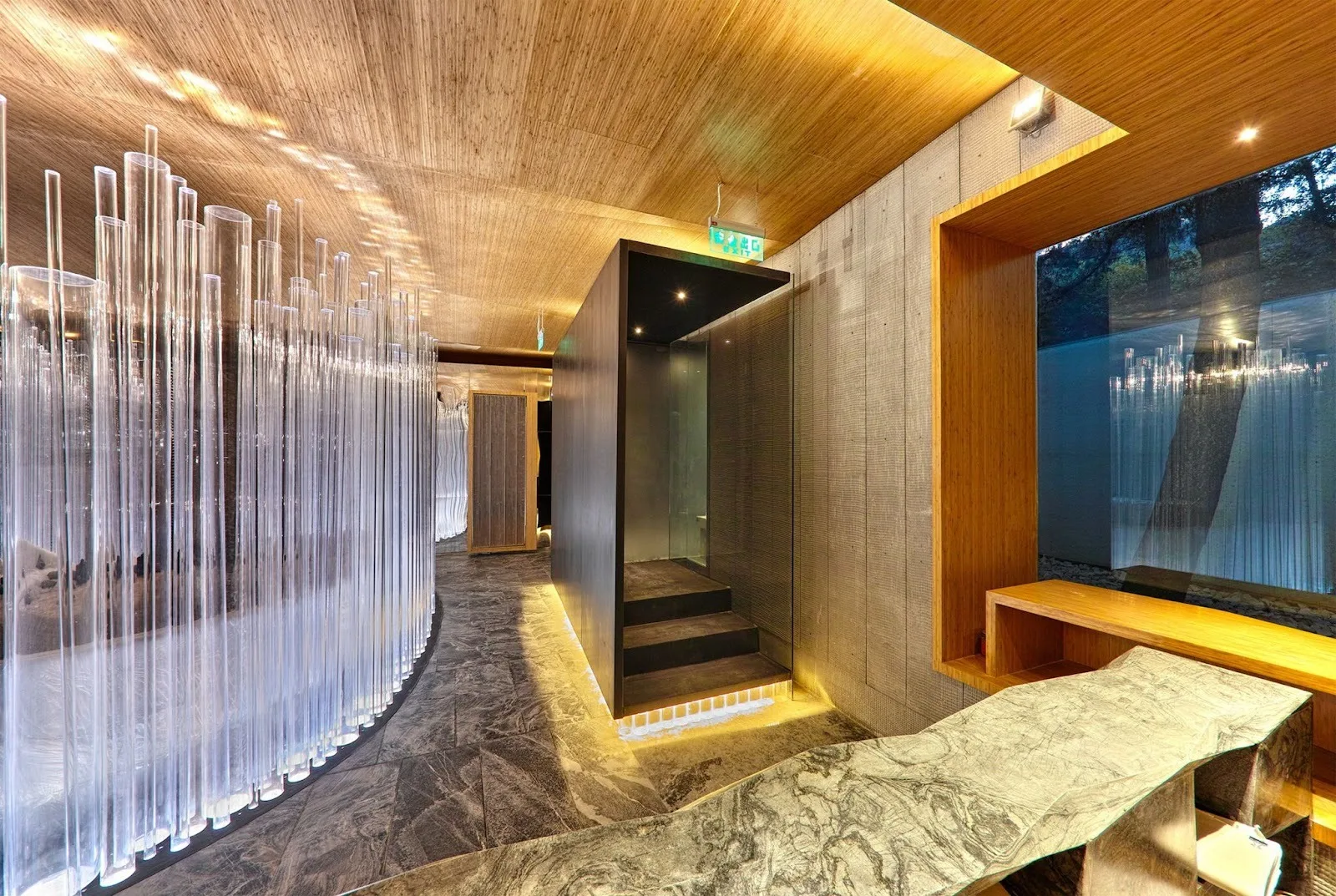
For hotel owners and property managers, renovation is never just about aesthetics. Every design decision, every construction timeline, and every dollar spent has a direct impact on occupancy rates, guest satisfaction, and long-term revenue. Done well, hotel remodeling services can transform a struggling property into a market leader. Done poorly — or at the wrong time — they can erode the very bookings they were meant to improve. Here’s what a strategic approach to hotel remodeling actually looks like, and why timing is everything.
The Revenue Case for Remodeling
The financial relationship between renovation and booking performance is well established. Upgraded properties can command higher room rates because guests perceive greater value in modern, well-maintained spaces. Hotels with satisfaction scores above 4.5 stars — a threshold closely tied to recently renovated properties — see up to 35 percent higher repeat booking rates than their outdated competitors. Those same properties can charge a 20 percent premium on average daily rates compared to lower-rated alternatives.
Beyond pricing power, well-executed renovations create genuine marketing momentum. A refreshed property gives your sales and marketing team something new to promote, attracting guests who might otherwise overlook the property in favor of newer competition. Industry research suggests that strategically timed remodeling projects can increase revenue per available room (RevPAR) by anywhere from 4 to 22 percent, with guest room upgrades and lobby renovations consistently delivering the strongest returns.
Timing Is Everything: Working Around Seasonal Demand
One of the most critical — and most frequently mishandled — aspects of hotel renovation is timing. Unlike retail or office properties that can simply close during construction, hotels must keep operating while the work happens around them. That means renovation schedules must be built around occupancy patterns, not the other way around.
Hotel demand typically follows a predictable pattern: peak seasons with occupancy regularly exceeding 80 to 90 percent, shoulder seasons with moderate activity, and off-peak periods where occupancy can drop to 50 percent or below. The math is straightforward — disruptive work belongs in the off-season, where displaced revenue is minimized and access to guest corridors is far easier to manage.
A proven approach is floor-by-floor phasing, starting with the least desirable rooms or lowest-performing floors. This keeps revenue-generating inventory available throughout the project and prevents the kind of widespread disruption that generates negative reviews. The goal is to complete the most visible improvements before peak season opens, so the property can market freshly renovated rooms to guests who are actively booking.
Renovation vs. Remodeling: Knowing the Difference
These two terms are often used interchangeably, but they represent very different scopes of work — and very different financial commitments.
Renovation covers cosmetic updates: fresh paint, new soft goods, fixture replacements, updated artwork. These projects move quickly, often completing a phase in two to four weeks, and can deliver a noticeable guest experience improvement without major operational disruption. Because of their speed, renovation projects often deliver faster returns relative to investment and can be marketed as completed improvements within a single off-season cycle.
Remodeling is a more comprehensive undertaking, involving structural changes, layout reconfigurations, and full system replacements. These projects carry longer timelines, more complex logistics, and higher costs — but they also create more fundamental transformations that justify significant rate increases and position the property for long-term competitiveness.
Choosing between the two comes down to honest assessment: what does your property actually need to compete in its market, and what can the current revenue base support?
Where to Invest for Maximum Return
Not all renovation spend is created equal. Certain improvements consistently outperform others in terms of their impact on bookings and rate potential.
Bathroom upgrades, particularly tub-to-shower conversions, rank among the highest-return investments available. Modern travelers — especially business travelers and younger demographics — strongly prefer walk-in showers, and this single change can meaningfully shift a property’s appeal and justify rate increases.
Lighting is another high-impact, often underestimated upgrade. Improved lighting doesn’t just enhance the guest experience in person — it transforms how rooms photograph, which directly influences booking decisions made on online travel agencies (OTAs). A room that looks bright and inviting in listing photos will outperform a dim competitor regardless of the underlying amenities.
Lobby renovations deliver strong returns by shaping the guest’s first impression of the entire property. The lobby sets the tone for the stay; an updated, well-designed entrance elevates the perceived quality of everything that follows.
Food and beverage spaces round out the high-return category, unlocking ancillary revenue while encouraging guests to stay on-property rather than seeking dining elsewhere.
Navigating Property Improvement Plans
For franchised properties, renovation isn’t always optional. Property Improvement Plans (PIPs) are brand-mandated renovation requirements designed to ensure consistency of standards across a franchise system. As of 2024, PIP costs for midmarket properties range from $35,000 to $40,000 per key depending on scope, covering guest rooms, public spaces, exterior repairs, and technology upgrades.
While PIPs can create financial pressure, they also present an opportunity when approached strategically. Properties that complete PIP requirements during shoulder or early off-season periods can market the resulting improvements during peak booking windows — turning a compliance obligation into a competitive advantage. Proactive owners who address PIPs before they become urgent can also realize cost savings of 15 to 20 percent compared to reactive projects, thanks to better planning, reduced urgency, and the ability to value-engineer solutions without cutting corners.
Managing Construction Without Losing Guests
Selecting the right contractor is as important as selecting the right renovation scope. Hospitality construction is a specialized discipline — contractors who lack hotel experience often underestimate the complexity of working around active guests, maintaining safety compliance, and sequencing work to protect the guest experience.
The best hospitality contractors coordinate directly with front desk and housekeeping teams, ensure fire safety routes remain accessible at all times, and phase work to contain disruption to defined areas while the rest of the property operates normally. According to the American Hotel & Lodging Association’s guidance on renovation best practices, transparent communication with incoming guests — through pre-arrival emails and website updates — is one of the most effective tools for maintaining satisfaction scores during construction periods. Setting accurate expectations upfront consistently outperforms the alternative of guests arriving to unexpected noise or limited amenities.
The Long Game: Aligning Renovation with Market Position
The payoff from a well-executed remodeling project isn’t immediate — but it is measurable. Properties that complete comprehensive renovations typically see occupancy increases and rate improvements within 12 to 18 months following project completion. The post-renovation marketing strategy matters just as much as the construction itself; guests need to know the property has changed, both to attract new visitors and to re-engage loyal guests who may have drifted to competitors.
Regional construction costs and seasonal patterns vary enough that a one-size-fits-all approach rarely works. The most effective renovation strategies are property-specific, built around a clear understanding of local market demand, competitive set, and the particular improvements that will resonate most with the target guest profile.
Renovation done right isn’t an expense — it’s one of the most reliable investments a hotel owner can make.