Illusion and impact: playing with light using 3D porcelain textures
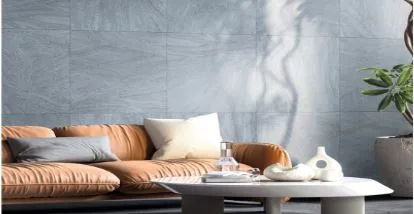
Surfaces are never just static elements – they shape how we perceive and interact with space. Three-dimensional wall coverings, in particular, offer more than a tactile experience: they transform the way light behaves in a room. Thanks to their sculptural qualities, these surfaces create visual rhythm through shadow and reflection, giving the impression of motion, depth and even softness.
While a printed pattern may suggest volume, a true relief made from porcelain captures and manipulates light in real time. This interplay alters not only what we see, but how we feel in a space – bringing warmth, contrast or intrigue, depending on the design.
Material meets light: porcelain as a responsive surface
Porcelain stoneware brings dimensionality to life like few other materials can. Thanks to its density, precision and durability, it can be molded into deeply textured surfaces that interact beautifully with both natural and artificial light.
Each relief responds differently, depending on its profile and finish: glossy surfaces bounce light to create shimmer and movement, while matte textures absorb and diffuse it softly across the wall.
When working with a 3D porcelain tile, designers gain a unique tool for shaping atmosphere. Whether the goal is drama or subtlety, the same surface can appear entirely different when lit from above, the side, or behind.
Strategic lighting enhances the perception of depth, casting shadows that evolve throughout the day. The result is an ever-changing visual narrative where light and texture co-author the identity of the space.
Transforming spaces through light and texture
The combination of structured tile and thoughtful lighting has the power to reimagine even the simplest environments. In residential interiors, a softly rippled wall can turn a bedroom into a retreat, while bold geometric reliefs bring striking visual interest to open-plan living areas. In commercial settings, these surfaces shine – literally – in hotel lobbies, spa entrances and boutique retail spaces, where first impressions matter.
Textures respond dramatically to light: grazing light from wall washers or concealed LED strips reveals every groove, ripple and ridge. Retro illuminated panels enhance translucent elements or patterns with depth variation, allowing the wall to glow with dimensionality. In all cases, light doesn’t just reveal the surface – it activates it.
By carefully pairing surface and lighting design, architects and interior designers can control not only how a space looks, but how it feels. The result is immersive, sophisticated and far from static.
Beyond decoration: light as a design tool
Today, decorative surfaces are no longer seen as background elements. When paired with intelligent lighting, textured porcelain tiles become key players in spatial storytelling. They capture and reflect the character of the room, adjusting their presence with the time of day and the angle of light.
In this context, light becomes more than illumination – it becomes a medium. A well-lit 3D surface offers a dynamic identity that responds to its surroundings. Morning sunlight might cast soft diagonal shadows across a wave-patterned wall, while evening spotlights intensify the depth of a structured grid.
This versatility allows designers to use light not only to accentuate, but to sculpt. The relationship between relief and illumination fosters environments that are not only beautiful, but emotionally resonant – spaces that invite, impress, and inspire.
Ceramiche Refin: matter as vision, porcelain stoneware that reshapes space
In contemporary design, material is no longer just a decorative support – it’s an active part of the project, shaping perception, light, and spatial experience. This shift has opened new possibilities for designers seeking both technical rigor and expressive freedom. Within this evolving landscape, Ceramiche Refin stands out as a leader, transforming over sixty years of industrial expertise into collections defined by beauty, innovation, and responsibility.
Founded in 1962 and part of the Concorde Group, Ceramiche Refin manages the entire production cycle in-house – from research and development to manufacturing and quality control – ensuring full traceability, high performance, and a clear stylistic identity. For the brand, made in Italy is not simply a label, but a culture of making rooted in precision and design clarity.
Among its most iconic offerings is RELIEFS, a 3D wall tile project that reimagines decorative porcelain. With six raised textures – including vertical lines, herringbone motifs, fluted and hammered surfaces – walls become sculptural elements. The interaction with light creates changing shadow play and spatial depth, enhancing features like columns, paneling, and furniture.
On the more material side, OSMOS embraces imperfection as an aesthetic value. Developed through deep technical and stylistic research, it comes in five tones – Calce, Cenere, Nebbia, Tortora, and Ruggine – that evoke a raw, conceptual beauty. The variety of formats allows fluid transitions between indoor and outdoor spaces, making it ideal for contract, retail, and residential settings.
INK transforms freehand gesture into visual storytelling. Inspired by spontaneous mark-making, it offers a dreamlike graphic quality that shifts with distance and installation. The immersive 80×80 format amplifies its visual impact, while the palette – ranging from neutrals and blush to green and black – creates a narrative of space that is both emotional and refined.
Closing this material journey, ERAS draws on geological transformation to evoke layered, time-worn textures. Its six shades – Black, Greige, Grey, Ivory, Sand, and White – reflect essential natural tones, elevated by the Tweed 3D relief and mosaic accents.
With every collection, Ceramiche Refin affirms its role as a trusted design partner – blending industrial culture with architectural vision to shape lasting, meaningful interiors.