Regional Contractors Turn to Smarter Dumpster Rental Strategies to Improve Jobsite Efficiency
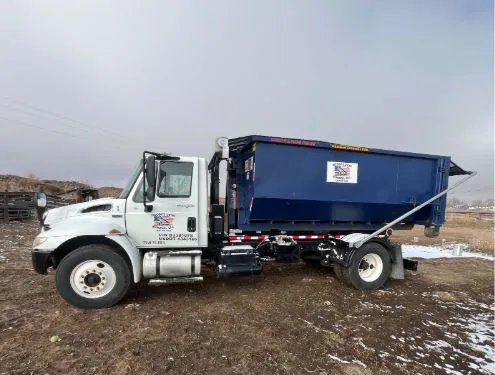
Construction timelines are tighter than ever, and jobsite coordination leaves little room for waste—literally or figuratively. For contractors, property managers, and homeowners tackling renovation projects, dumpster rental has evolved from a simple trash solution into a critical part of operational planning. The right container, delivered at the right time, with clearly defined terms, can streamline workflow and reduce unnecessary costs.
Understanding how dumpster rental works—and how to use it strategically—can mean the difference between a smooth project and one slowed by clutter, delays, or compliance issues.
Dumpster Rental as an Operational Tool, Not Just a Trash Solution
Many people think of dumpster rental as an afterthought: something arranged once demolition begins. In practice, it should be scheduled during the planning phase. Waste management directly impacts safety, labor efficiency, and project sequencing.
On active jobsites, debris buildup slows crews down. Workers spend time navigating around scrap material or making repeated trips to smaller containers. A properly sized roll-off dumpster placed in a convenient but safe location allows debris to move out of the workspace continuously. That keeps productivity consistent.
Contractors working with McCoys Dumpster Rentals often approach rentals with this broader mindset—aligning container delivery and pickup with key project phases such as demolition, roofing tear-offs, or landscaping removal. The result is fewer disruptions and a cleaner, safer work environment.
Choosing the Right Dumpster Size for the Scope of Work
One of the most common missteps in dumpster rental is underestimating volume. A container that fills up halfway through demolition creates an unplanned pause while waiting for haul-away and replacement. Overestimating, however, can mean paying for capacity you never use.
Different projects generate waste differently:
- Roofing projects create dense, heavy debris.
- Kitchen remodels produce a mix of cabinetry, drywall, and flooring.
- Whole-home cleanouts generate bulky but lighter materials.
- Construction jobs often combine framing scraps, packaging, and mixed debris.
Understanding debris type is as important as estimating volume. Heavy materials such as concrete, brick, or shingles can reach weight limits before the container is visually full. Contractors benefit from clarifying weight allowances upfront and discussing material types before scheduling delivery.
A thoughtful sizing decision reduces the risk of overage charges and keeps projects moving without interruption.
Placement, Permits, and Site Logistics
Dumpster placement requires more planning than many expect. The container must be accessible for drop-off and pickup, positioned to avoid blocking workflows, and located on stable ground. Sloped driveways, soft soil, or narrow access points can complicate delivery if not addressed in advance.
Residential projects may also involve municipal regulations. Some cities require permits for dumpsters placed on public streets. Others have time restrictions or right-of-way guidelines. Failing to confirm these details can result in fines or forced removal.
Professional rental providers typically guide customers through these considerations. Clear communication about access conditions—gate widths, overhead obstructions, or HOA rules—prevents delays on delivery day. In commercial settings, coordination with property managers ensures the container does not interfere with tenant operations or emergency access routes.
Logistics planning may not be glamorous, but it directly affects efficiency and compliance.
Understanding Rental Terms and Cost Structures
Dumpster rental pricing is more nuanced than a flat delivery fee. Costs often include a base rental period, a specific weight allowance, and guidelines around acceptable materials. Exceeding weight limits, extending the rental beyond the agreed timeframe, or disposing of restricted materials can increase the final invoice.
That is why reviewing transparent dumpster rental pricing before scheduling a container is essential. Clear pricing structures help contractors build accurate project budgets and avoid unpleasant surprises after pickup.
Common cost components to understand include:
- Rental duration and daily extension fees
- Included tonnage or weight limits
- Prohibited materials (such as hazardous waste or certain electronics)
- Overage rates for excess weight
- Trip charges for failed delivery attempts
A well-defined agreement benefits both parties. Contractors can plan confidently, and rental providers can maintain predictable service schedules.
Environmental Responsibility and Debris Segmentation
Waste disposal today involves more than simply hauling everything to a landfill. Many regions enforce regulations around recyclable materials, construction debris separation, and environmentally sensitive disposal practices.
Contractors who segment materials—such as separating clean wood, metal, or concrete—can sometimes reduce disposal costs or comply more easily with local ordinances. In some cases, specific debris types require dedicated containers or specialized processing.
Even residential homeowners benefit from understanding material guidelines. Placing restricted items in a roll-off container can result in additional handling fees or rejected loads at disposal facilities.
A knowledgeable dumpster rental partner can clarify which materials are acceptable and recommend alternatives when special disposal is required. This protects the project from compliance issues and supports responsible waste management practices.
Timing Delivery and Pickup for Maximum Efficiency
Dumpster rental is often most effective when aligned precisely with project phases. Deliver too early, and the container becomes an obstacle before work begins. Deliver too late, and demolition debris accumulates unnecessarily.
Experienced contractors often schedule:
- Delivery shortly before demolition begins
- Swap-outs during large tear-off or framing phases
- Pickup immediately after major debris-generating milestones
For longer-term construction projects, coordinating container rotations can prevent overfilling while keeping crews productive. A full dumpster that sits for days while waiting for haul-away can slow work and create safety hazards.
Clear scheduling communication ensures trucks arrive when sites are accessible and crews are prepared. That level of coordination reduces downtime and keeps timelines intact.
Common Misconceptions About Dumpster Rental
Despite its straightforward appearance, dumpster rental carries several persistent misconceptions.
“All dumpsters are the same.”
Container sizes vary significantly in both volume and weight capacity. Matching the container to the project matters.
“You can throw anything inside.”
Hazardous materials, certain appliances, and regulated waste often require separate disposal methods.
“It’s cheaper to just make multiple trips to the landfill.”
For many projects, labor time, fuel costs, and equipment use quickly exceed the cost of a roll-off container—especially when debris volume is substantial.
“Placement doesn’t matter.”
Improper placement can slow workflow, damage surfaces, or violate local regulations.
Understanding these nuances helps property owners and contractors avoid costly assumptions.
Practical Takeaways for Contractors and Homeowners
Whether managing a commercial build-out or cleaning out a garage, several best practices consistently improve results:
- Estimate debris realistically and consider material type, not just volume.
- Confirm placement logistics before delivery day.
- Review rental terms carefully, including weight allowances and duration.
- Schedule delivery and pickup to align with project milestones.
- Clarify disposal rules to avoid restricted-material issues.
Dumpster rental is not complicated—but it does reward planning. Treating waste management as a structured component of project management leads to smoother workflows and fewer unexpected expenses.
As construction and renovation activity continues across residential and commercial markets, efficient waste handling remains foundational to project success. When approached strategically, dumpster rental supports safety, productivity, and budget control—quietly doing its job in the background while the real transformation takes place.