Common Mode vs Differential Mode Noise Explained
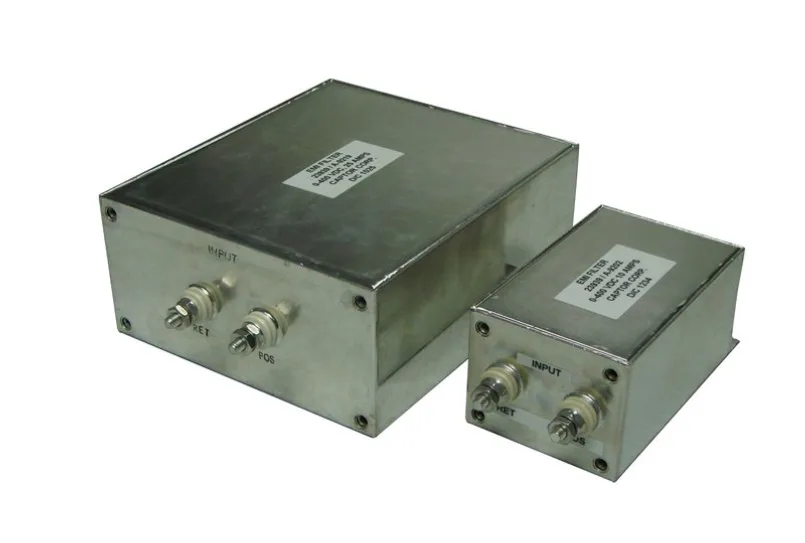
Electromagnetic interference (EMI) is a growing trouble in modern-day electric and digital structures. A vital part of any EMI manipulation approach is knowing the 2 most important varieties of noise. Common mode and differential mode. common mode and differential mode. Knowing the difference enables engineers and architects to choose the proper answers from a reliable emi filter manufacturer.
What is EMI?
Electromagnetic interference occurs whilst undesirable electrical alerts disrupt the ordinary operation of digital gadgets. EMI can be performed by journeying along electricity or signal traces or radiated, spreading via the air like electromagnetic waves.
Left unchecked, EMI can motivate:
- Equipment malfunctions or screw-ups
- Signal distortion and records errors
- Premature component put on
- Regulatory compliance troubles
This is why operating with an experienced EMI filter manufacturer is essential—they offer filters mainly designed to suppress these undesirable indicators and protect your structures.
Differential Mode Noise Explained
Differential mode (DM) noise occurs among conductors, normally the live (phase) and neutral wires. This form of noise flows in contrary directions alongside the conductors and is regularly generated by way of:
- Switching power supplies
- Inverters and converters
- Motors and industrial equipment
- Key Characteristics of Differential Mode Noise
- Appears between strength strains
- Typically because of asymmetrical modern-day float
- Can be reduced using well-known line-to-line EMI filters or inductors
- Often high frequency in contemporary digital device
Differential mode noise mainly affects the equipment itself rather than radiating out to other nearby devices. For designers, this means filtering strategies focus on suppressing noise directly on the affected lines.
Common Mode Noise Explained
Common mode (CM) noise is exceptional. It seems similar on both conductors with respect to ground. This way the noise travels within the same route alongside both wires and often finds a go-back direction via the floor or chassis. Common mode noise is generated through:
- Switching regulators
- High-velocity virtual circuits
- Ground loops in lengthy cable runs
- Key Characteristics of Common Mode Noise
- Appears on both traces simultaneously relative to floor
- Often radiates EMI to nearby devices.
- Can intervene with conversation strains and other touchy gadgets
- Requires not unusual mode chokes or specially designed EMI filters
Unlike differential mode noise, common mode noise can propagate out of doors from the device and cause interference in different nearby electronics. Proper layout and filtering are critical.
How EMI Filters Work
An EMI filter producer commonly designs filters to suppress each differential and not unusual mode noise. Depending on your device’s desires, filters can also encompass:
- Inductors: Reduce excessive-frequency currents by way of impeding fast adjustments
- Capacitors: Divert unwanted alerts to floor
- Common Mode Chokes: Block noise that appears identically on both traces
- Combination Filters: Target each differential and commonplace mode noise simultaneously
By integrating those additives, EMI filters enhance device reliability, grow device lifespan, and assist preserve compliance with EMC regulations.
Differential Mode vs Common Mode: Quick Comparison
| Feature | Differential Mode Noise | Common Mode Noise |
| Signal Path | Between two conductors (e.g., Line & Neutral) | Between conductors and ground |
| Direction | Opposite directions | Same direction |
| Common Sources | Switching power supplies, motors | High-speed circuits, ground loops |
| Impact | Mainly internal system interference | Can radiate and affect nearby devices |
| Filtering Solution | Line-to-line filters, inductors | Common mode chokes, capacitors to ground |
This desk highlights why each noise source requires one filtering strategy. Partnering with a reputable EMI filter manufacturer ensures the ideal aggregate of additives is selected for your utility.
Applications in Modern Electronics
Understanding the difference between differential and not unusual mode noise is especially important in:
- Renewable electricity systems (solar inverters, wind turbines)
- Industrial automation system
- Medical devices
- Telecommunications infrastructure
- Automotive electronics
Each of these sectors relies on robust EMI filtering to shield touchy electronics from both varieties of interference.
Choosing the Right EMI Filter Manufacturer
When selecting an EMI filter manufacturer, keep in mind the following:
- Experience Across Industries: Ensure they have a song document for your region.
- Custom Design Capability: Some structures require tailor-made solutions for both CM and DM noise.
FAQs
1: What is the principal difference between common-mode and differential-mode noise?
Differential mode noise takes place among conductors (like line and impartial), at the same time as commonplace-mode noise appears comparable on every conductor relative to the ground.
2: Can one EMI filter manage every type of noise?
Yes. Many gift-day EMI filters integrate additives to cope with every differential and not unusual mode interference.
3: Why is common-mode noise trickier in sensitive electronics?
Because it is able to radiate into nearby gadgets, inflicting outside interference and communication issues.
4: Which industries depend most on EMI filtering?
Renewable energy, automotive, clinical devices, business automation, and telecommunications structures.
5: How do I pick out the right EMI clear-out producer?
Look for experience for your enterprise, compliance understanding, design flexibility, first-class components, and technical assistance competencies.
Conclusion
Differentiating between commonplace mode and differential mode noise is important for each person designing or retaining digital systems. Each form of EMI has awesome assets, propagation paths, and influences. By knowing the variations, engineers can implement the only answers from a relied-on EMI clear-out manufacturer, ensuring overall performance, reliability, and compliance.
Effective EMI management is now not elective it’s a necessity in these days’s complicated, excessive-velocity, and power-dense digital structures.