Sustainable Business in NYC: Waste Management Practices Companies Can’t Ignore
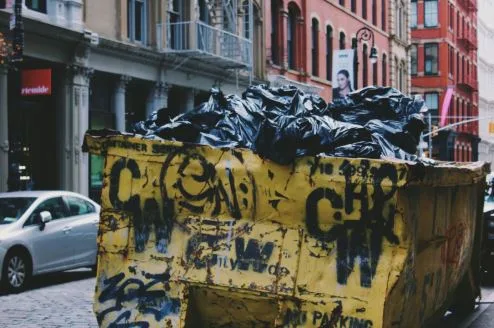
New York City is in a critical position to lead in business sustainability.
It’s one of the most densely populated cities in the U.S., generating around 12,000 tons of waste per day, according to Baruch College. How NYC handles its waste management can create a powerful ripple effect across urban centers nationwide and globally.
Sustainability initiatives build corporate value by strengthening reputation, reducing costs, and improving operational efficiency. It’s also a powerful employee value proposition (EVP) factor that draws top talent who want to work with sustainable brands. The result is a circular economy that reduces greenhouse emissions without depleting resources.
Here are key strategies NYC businesses must adopt to build a zero-waste future.
Join the Circular Economy
Waste management makes an even more sustainable impact when it’s part of a circular economy. NYC businesses should also adopt methods that dispose of all waste, not just solids. Vacuum trucks, for example, dispose of liquids, sludge, and dust for safe and efficient cleanup.
This model also advocates:
- Long-lasting products (that can be repaired)
- Product recycling to eliminate waste and pollution
- Raw material reduction
- Restoring ecosystems
Circular economies also make a sustainability case for equipment leasing, as leased items are returned to manufacturers, cutting down on waste, costs, and emissions from long-term storage and servicing.
NYC business owners can apply a circular economy mindset to nearly every aspect, including:
- Low-waste (and healthy) breakroom snacks
- Ergonomic furniture
- Outdoor courtyards
These examples save costs, cut waste, and boost profits through wellness initiatives that inspire productivity and innovation while reducing sick days. Companies can also champion this mindset through wellness seminars and education campaigns that deepen employees’ understanding of the relationship between health and environmentalism.
Switch to Paperless Documents
Sustainability-focused waste management aims to prevent waste from the beginning of the supply chain cycle.
An immediate example is the adoption of digital paperless systems, replacing traditional paperwork with digital documents and portals for invoices, contracts, and purchase orders. All communications can be easily saved and retrieved, reducing time wasted on lost files.
Paperless systems can be implemented right away.
Implement Sustainable Packaging Strategies
Packaging is a significant waste management concern. Companies can do their part to use sustainable alternatives like:
- Recycled biodegradable paper pulp
- Packaging from agricultural waste (i.e., hemp, rice husk, etc.)
- Mycelium packaging
- Wool packaging
Reusable packaging encourages consumers to participate in the circular economy. Integrate plant-based containers for food storage, mason jars, and lidded biodegradable boxes. Include messages on reusing packaging in your graphic design, like “Reuse Me!”
If you run an NYC coffee shop, you could start selling ceramic, glass, or plant-based plastic lidded coffee cups in your merchandise section to encourage customers to reuse. Similarly, you can sell reusable bags if you run a grocery store.
Adopt Strict Recycling Protocols
NYC takes recycling seriously, where even standard recycling bins aren’t enough. The city has some of the strictest waste management regulations in the country. NYC businesses that are found in violation of these rules are subject to costly fines.
Workplaces must have separate, color-coded receptacles for these recyclables:
- Paper
- Plastic
- Metal
- Glass
E-waste, like obsolete computers and dead batteries, also needs its own waste management strategy. These items contain hazardous materials that can contaminate soil and water. Old hard drives also contain sensitive data that must be wiped before disposal, making e-waste management a key security practice, as well.
Compost Organic Waste
According to the Environmental Protection Agency (EPA), organic food waste in landfills contributes to 58% of all methane released from landfills into the atmosphere. With the number of food-related businesses in NYC, the city plays a significant role in reducing methane emissions with dedicated composting stations.
All food waste should be composted, including compostable packaging. Compost also creates more nutrient-rich soil, which businesses can use to grow sustainable gardens for food supply.
Other businesses, like landscaping services, can compost healthy plants to reduce emissions. However, diseased or mold-ridden plants should not be added to a healthy compost pile, as this can cause pathogens to spread throughout the pile.
Food-service establishments, wholesalers, and even arenas are required by law to separate organic waste from standard trash. The city is progressing toward a zero-waste goal. Therefore, you can expect eco mandates to expand to all commercial operations.
One of the city’s zero-waste goals is to reduce the reliance on out-of-state landfills. Processing waste at local facilities also cuts emissions from long-distance waste transportation.
Model Green Habits in the Workplace
Business sustainability is a daily commitment.
For example, when printing marketing materials, implement a “pull printing” policy that requires employees to authenticate user access. Defaulting to double-sided printing can significantly reduce paper waste, as well.
Procurement teams can model eco-conscious habits by purchasing consumer products made with sustainable materials. Buying in bulk also reduces the amount of packaging waste. Bulk purchases often qualify for freight discounts.
Cutting down on single-use plastics, like stirrers and plastic forks, in the office reduces a fair amount of waste. Replace these items with bamboo-made alternatives that are compostable. Pair this change with an initiative that encourages employees to bring reusable stainless steel travel mugs and utensils to the workplace.
Invest in Green Commercial Cleaning
More commercial cleaning services are switching to eco-friendly cleaning methods, which also shapes your own company’s sustainable brand. Traditional commercial cleaning not only generates a lot of waste, but it also contributes to chemical runoff that enters the city’s water systems.
Green industrial cleaning products are water-based, non-toxic, and biodegradable. These products reduce the amount of volatile organic compounds (VOCs) that harm the Earth’s ozone layer. This is something to consider if you handle your commercial cleaning in-house.
Using concentrated green cleaning solutions reduces the amount of product packaging waste. You can also switch out traditional paper towels for microfiber cleaning supplies.
Sustainability helps foster a happier, healthier workplace!
Help NYC Reach Zero Waste
Businesses are crucial to NYC’s ambitious goal of being a zero-waste city. Do your part by joining the circular economy, going paperless, using sustainable packaging, recycling, composting, and switching to eco-friendly cleaning.
Implement company initiatives to reach your own zero-waste goals, including wellness and educational campaigns to encourage green lifestyles among employees.
Together, NYC’s business community can make rapid progress toward a greener future.