Seasonal Trekking in Nepal: When to Visit Gosaikunda and Why
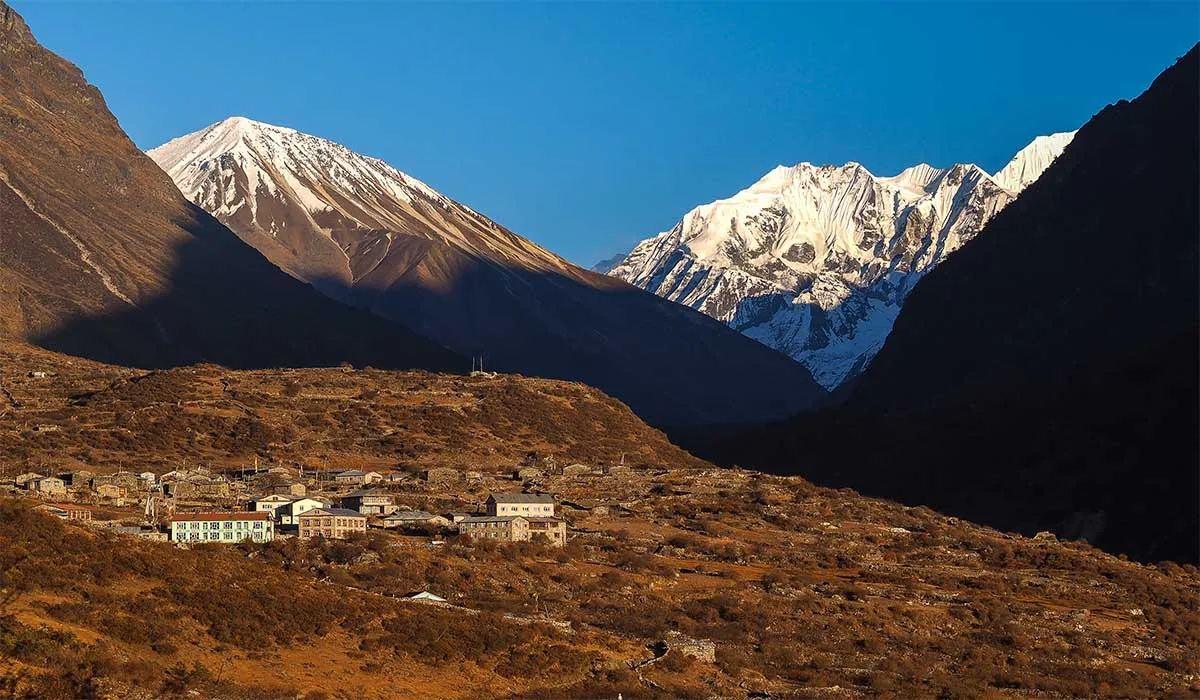
Nepal is an ideal destination for trekking. The country draws adventure enthusiasts all year round. The Himalayan peaks and enriching cultural exploration opportunities have managed to attract the attention of several adventurers around the globe.
Selecting the right timing is essential for a safe and enjoyable trek. Nepal experiences four different seasons: Spring, Autumn, Monsoon/ Summer and Winter. Among them, Spring and Autumn are considered the best seasons for trekking.
The Langtang Valley Gosaikunda Trek, like many high altitude treks in Nepal offers the best experiences during autumn and spring. This scenic trek presents exciting experiences in the Himalayas.
The trek takes you through forests, traditional villages, high altitude landscapes and finally to the sacred Gosaikunda lakes. The clear skies of peak seasons reward you with stunning Himalayan mountain ranges.
In off seasons, there are fewer people on the trails. So, you can experience more peaceful surroundings. However, off season presents several challenges such as unpredictable weather and restricted access to services.
During the favourable months, you can explore Himalayan trails in ideal conditions. In addition, by choosing the ideal seasons, you can enjoy the breathtaking scenery under clear blue skies and get to behold the mountain vistas in their most beautiful form, which will enhance your overall experience.
Best Time for Langtang Valley Gosaikunda Trek
Spring (March to May)
The spring season is an ideal time for the Langtang Gosaikunda Trek. During the spring months, the Langtang region turns lively after a cold winter. The spring months bring greenery to the surrounding areas.
The rhododendron blooms along the trails. So, the region looks more vibrant and colorful. The temperature in lower areas warms up and colorful wildflowers are in full bloom.
The mountain breeze is mild and pleasant as the trails are mostly dry. This lets you navigate the varied trails safely while enjoying the beauty of the Langtang region.
During spring, the weather is moderate. The nights and early mornings at higher elevations are slightly chilly but are usually manageable with proper layering. The days are longer in spring which allows you to enjoy the scenic vistas at a relaxed pace and still reach your intended destination on time.
The skies are cloud-free. So, you can witness the stunning and unobstructed views of the beautiful mountains. The moderate weather, dry trails and stunning landscapes make the spring season one of the most ideal times for the Langtang Gosaikunda Trek.
Autumn (September to December)
Autumn is one of the most favourable times for the Langtang Gosaikunda Trek. During this time of year, you can expect ideal weather conditions with clear skies, fresh landscapes and mild temperatures. Trails are generally dry with a very crisp air with exceptional views of mountains, forests, and sacred lakes.
The monsoon rains of the previous season clean the surroundings, presenting a crisp and clean atmosphere. The weather becomes drier and more stable as the month progresses. Trails are firm and cleanwhich makes navigation easy and enjoyable.
September brings the arrival of autumn. At the beginning of the month, there can be light rain showers. The forests look green, the rivers are in full flow, and the entire valley of Langtang looks surreal.
However, by the middle of September, the climate turns dry and the sky clears up. You can enjoy the striking views of Langtang Lirung, Ganesh Himal, Dorje Lakpa and other surrounding peaks and ridges under clear blue skies.
The days are sunny and bright. Mornings and nights can get quite cool especially around Gosaikunda. In the latter half of November, you might even witness a little snowfall at the higher elevations. However, daytime trekking is very comfortable. Bringing a couple of warm layers is sufficient to cope with the chill of the evenings.
With bright skies, favourable trail conditions and clear mountain views autumn season is the most favourable time for the Langtang Gosaikunda Trek.
Langtang Gosaikunda Trek in Off Seasons
Winter (December to February)
During the winter season, the Langtang region becomes peaceful and serene. In this season, the days are shorter and the nights are longer. Because of the extreme cold, fewer people take up this adventure. So, the route is tranquil.
For adventurous trekkers, winter provides a peaceful trekking experience with a strong sense of solitude, away from the hustle and bustle. The routes are almost empty, perfect for those who wish for a tranquil journey.
The snow showers add to the beauty of the forests, valleys and mountain ridges. The mountains covered with fresh snow appear more defined under the clear winter sky.
However, trekking through the region during winter season is challenging. Trekking on the snow covered trails especially at higher elevations can require more physical effort. The temperatures drop significantly. So, trekkers must be well prepared to handle extreme cold weather. Likewise, they should take necessary precautions to be protected against frostbite and hypothermia.
Carrying a high-quality sleeping bag and thick winter clothes is essential to handle the cold. However, even with some notable challenges winter trekking can be enjoyable. You can ensure a secure journey with proper preparation. With crystal-clear views and fresh mountain air, the season offers a peaceful and rewarding trekking experience for well-prepared trekkers.
Summer/ Monsoon (June to August)
The summer/ Monsoon season brings heavy rains. However, it is a good time for those who prefer greenery and a serene journey. The summer days are warm at the lower elevations of the Langtang region, but the higher altitudes are cool.
During the summer season, the region turns lush green due to the heavy rainfall. The rivers and waterfalls flow abundantly at this time. But the frequent rains also make the trails slippery and muddy making traversing challenging.
The monsoon haze can affect the visibility. Landslides may occur, disrupting the trek. Also, the presence of a leech at frosted area can cause discomfort for trekkers.
Despite the difficulties, trekking in summer/ monsoon does have some perks. The trails are peaceful because few trekkers undertake this trek. Also, when the weather clears up after rainfall in the afternoon, the lush landscapes and mountains in the backdrop look stunning.
Trekking in this season requires flexibility in schedule. In addition, you have to check the weather forecast every day, take advice from guides and tea house owners and head out only after confirming that conditions are secure. While trekking at this time is rewarding, knowing about the challenges and preparing adequately helps you ensure a smooth journey.
Recommended Times to Visit Gosaikunda
Weather patterns influence the trekking experience. Snow, rain and low temperature changes can affect trail safety. So, it is important to select the right time.
Spring and Autumn are considered the most favourable visit Gosaikunda. These seasons have ideal trekking conditions such as stable climate, moderate temperatures, minimal likelihood of rainfall and snowfall.
Therefore, to trek at well defined paths under clear skies, witness the visual splendor of the Himalayas and ensure the best experiences on the trail, it is highly recommended to trek during the Spring and Autumn months.