Planning Outdoor Movie Nights with Structural Home Upgrades in Mind
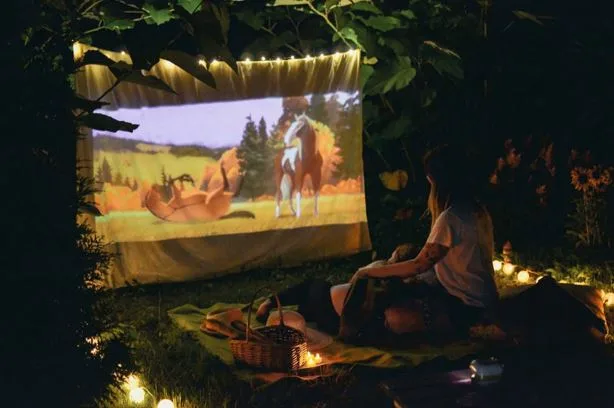
An outdoor movie night sounds simple until you try to run one properly. You drag out a projector, hang a sheet, plug in a speaker, and suddenly you’re dealing with glare, tripped breakers, wobbling screens, and guests stepping over extension cords in the dark. The difference between a casual backyard attempt and a setup that actually feels impressive comes down to structure. Power has to be stable. Surfaces have to be solid. Mounting points need to hold steady long after the popcorn runs out.
Living in Marietta often demands an efficient plan. Summer evenings are warm and inviting, but humidity hangs in the air. Storms roll through quickly. Rooflines, decks, and patios take a beating throughout the year. Backyard gatherings are part of the lifestyle here, which means any outdoor movie setup should be built to handle repeat use, not just one weekend experiment. Turning your yard into a reliable screening space starts with strengthening the parts of your home that quietly support it.
Roof Inspection and Repair
Before mounting lighting along the eaves or running concealed wiring near the roofline, take a hard look upward. Loose shingles, soft spots, or minor flashing issues might not seem urgent on a normal day. Add mounted fixtures, added weight, or new penetrations for wiring, and small weaknesses can turn into bigger problems. Drainage matters too. If gutters overflow during heavy rain, water can drip directly onto mounted equipment or electrical connections. A movie night should not depend on hoping the weather cooperates.
Tackling roof vulnerabilities first protects both the home and the investment in outdoor gear. Bringing in a local Marietta roofer to inspect the structure gives you insight into what can safely support lighting brackets or wiring pathways. Reinforcing problem areas before installing equipment prevents leaks, sagging, and future headaches. Once the roof is solid, everything mounted below it benefits from that stability. The screen stays dry. The lighting remains secure.
Dedicated Outdoor Electrical Circuits
Projectors, powered speakers, streaming devices, and ambient lighting draw more power than most people expect. Plugging everything into an interior outlet through a long extension cord might work once. Do it regularly, and breakers start tripping right when the movie hits its best scene. Interior circuits were never designed to support outdoor entertainment systems running at full capacity for hours.
Installing dedicated outdoor circuits changes the experience completely. Weather-rated outlets placed near seating areas and mounting points eliminate the need for stretched cords across the lawn. Power loads stay balanced. Equipment runs consistently. The entire event feels intentional rather than improvised.
Reinforced Patio Overhangs or Pergolas
That pergola over the patio might look sturdy, but adding a mounted projector, mounted speakers, and string lighting introduces new load demands. Weight concentrates at specific connection points. Wood beams can bow slightly. Brackets can loosen over time.
Reinforcing those structures before installation protects alignment and safety. Strengthened beams, upgraded fasteners, and properly spaced mounting brackets hold equipment steady through wind and repeated use. The projector remains level. Speakers stay positioned correctly. Lighting hangs evenly instead of sagging. Guests notice the smooth presentation without realizing that structural planning made it possible.
Weather-Resistant Flooring
Movie nights bring foot traffic. Friends carry drinks, kids run back and forth, and chairs shift across the patio. Standard decking materials can become slick after a brief rain or collect wear marks from repeated gatherings. Slippery boards and uneven surfaces quickly take the fun out of the evening.
Upgrading to weather-resistant flooring materials keeps the experience relaxed. Slip-resistant composite decking, textured concrete finishes, or treated pavers handle moisture and movement without becoming hazardous. The surface drains properly after storms and holds up under chairs, coolers, and constant steps. Instead of worrying about someone losing footing during a late-night exit, you can focus on the film and the conversation.
Permanent Mounting Brackets
Temporary stands feel convenient at first. A collapsible screen frame or freestanding speaker tripod seems easy to set up and take down. Add a breeze, an excited child running past, or uneven ground, and stability disappears. Equipment tips. Screens wobble. The picture shifts mid-scene.
Permanent mounting brackets change the entire tone. Anchored screen frames and fixed speaker mounts lock everything into position. The image stays centered. Audio remains balanced. The yard looks organized instead of cluttered with poles and cords. Permanent fixtures signal that this is not a one-time novelty. It is a backyard feature designed to perform consistently, night after night.
Wind Barriers and Privacy Panels
Nothing ruins a dramatic movie moment like a gust of wind turning the screen into a sail. Even light breezes can ripple fabric, distort projection, and throw off alignment. In open backyards, wind channels between homes and fences exist without much resistance. Light spill from neighboring properties can add another layer of distraction, especially in denser areas.
Installing structured wind barriers or privacy panels tightens the viewing zone. Solid fencing extensions, slatted wood screens, or tempered glass panels reduce airflow across the screen while creating a defined entertainment area. Projection remains steady. Ambient light from nearby homes gets filtered. Sound carries with more control. The movie night begins to feel contained and cinematic rather than exposed and improvised.
Outdoor-Rated Recessed Lighting
Standard porch lights tend to blast brightness in every direction. That kind of glare competes with projection and flattens the viewing experience. String lights help with atmosphere, but they often hang at eye level and interfere with screen clarity. Lighting has to support the event, not overpower it.
Outdoor-rated recessed lighting offers precision. Installed under overhangs or within pergola beams, these fixtures direct soft illumination downward. Dimmable controls allow you to lower brightness as the film begins while still keeping walkways visible.
Retractable Awnings and Covered Structures
Clear skies at sunset can turn into scattered rain before the credits roll. Electronics and upholstery exposed to surprise showers create stress nobody wants mid-movie. Relying on tarps or rushed coverings interrupts the experience and risks equipment damage.
Retractable awnings or covered patio extensions provide built-in protection. With a simple extension, projection gear, and seating gain shelter from passing rain or drifting debris. The structure acts as a buffer against moisture while maintaining airflow. Guests remain comfortable, and equipment stays protected.
Concealed Wiring Pathways
Extension cords stretched across grass or decking are both unattractive and unsafe. Guests step over them. Children trip on them. Moisture collects around connection points. The visual clutter distracts from the atmosphere you are trying to create.
Installing concealed wiring pathways solves multiple issues at once. Conduits hidden within walls, under decking, or along structural beams route power cleanly to projectors and speakers. Outlets appear exactly where needed without visible tangles. The yard looks organized. Movement feels unrestricted. Safety improves instantly.
Outdoor movie nights thrive on atmosphere, but atmosphere depends on structure. A stable roofline, reliable power, reinforced mounting points, durable flooring, and controlled lighting turn a backyard into a functional screening space.