Reducing Workplace Strain with Evidence-Based Thai Massage Programs
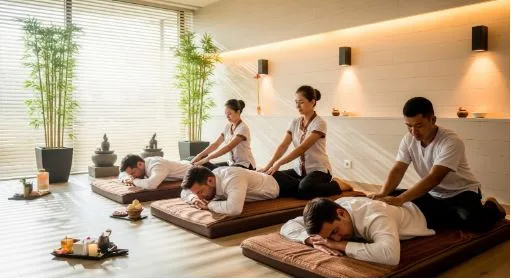
Practical guidance for HR, Safety, and Facilities leaders evaluating on-site bodywork as part of a comprehensive employee well-being strategy.
A tight labor market and hybrid schedules have made employee musculoskeletal discomfort and stress a constant operational drag. Leaders are revisiting manual therapies as a complement to ergonomics and EAP benefits. The goal isn’t trend-chasing; it’s lowering discomfort, improving focus, and cutting avoidable downtime with a program that is simple to trial, easy to govern, and measurable.
Why Manual Therapy Belongs in a Corporate Well-Being Mix
Organizations already invest in ergonomics, micro-breaks, and sit-stand stations, yet neck, shoulder, and lower-back complaints persist. Research summaries from US health agencies note that massage can help relieve short-term pain and stress for many adults, especially when combined with stretching and movement education. Programmatically, that means employers can position bodywork as a complement to existing ergonomics and mental-health resources—not a replacement (see Additional Resources for independent sources). For an overview of traditional techniques and session structure, see thai massage as a neutral reference page that explains how assisted stretches and pressure sequences are typically organized in practice.
What “Good” Looks Like: Risk-Managed, Comfortable, and Measurable
Before launching pilot days, align with Legal and Safety on a vendor policy: current insurance; practitioner certifications; clear intake/consent; and privacy language covering any health details shared by participants. Seat selections (floor mat vs. table/chair) should accommodate standard office attire and accessibility needs. Keep sessions to 15–25 minutes to minimize schedule friction, and use non-oily approaches so employees can return to meetings without changing clothes. To measure value without intrusive health data, collect brief pre/post self-ratings (e.g., “neck tightness,” “focus,” “stress”) and simple attendance counts—then compare across two or three dates to see if the signal is consistent.
Why Many Teams Start With Thai Techniques
Traditional Thai methods emphasize assisted stretching, compressions, and range-of-motion work that can be adapted to a chair or table and performed over clothing. For corporate settings, that matters: it limits product use, shortens turnover time, and supports movement-oriented relief rather than only localized kneading. When paired with ergonomic coaching (how to adjust a monitor, where to place the keyboard), you get a one-two punch: reduce current discomfort while teaching micro-habits that prevent it from returning. Scheduling quarterly “mobility tune-ups” also aligns well with benefits cycles and budget planning.
Implementation Playbook: From Pilot to Policy
1) Define the outcome. Choose two metrics that leadership cares about—e.g., short-term reduction in reported neck/shoulder discomfort and perceived focus for the rest of the day.
2) Select the setting. Small conference room near a high-traffic area; post a QR code for same-day booking; allocate 5 minutes between sessions for sanitation and setup.
3) Staff wisely. One practitioner can serve ~2 employees per hour at 20-minute sessions. For a 200-person office, a single day per quarter often suffices; larger sites can add a second practitioner or a second day.
4) Communicate expectations. Share “what to wear,” intake/consent, and a heads-up that sessions include gentle, assisted stretching with opt-out at any time.
5) Close the loop. After the pilot, summarize attendance, satisfaction, and self-reported relief. If the signal is positive, codify a light SOP: cadence, booking rules, contraindication checklist (pregnancy, recent surgery, acute injury), and incident-reporting pathway.
To help employees self-screen, include common contraindications in your sign-up form and advise participants to consult their healthcare provider if they have questions. This mirrors public guidance from US health agencies that encourage shared decision-making for complementary health approaches.
Budgeting and Procurement Considerations
Compared with large-scale wellness purchases, on-site bodywork is a small, flexible line item. Many employers expense it under “well-being initiatives” or “ergonomics,” funded quarterly. Fixed-fee day rates simplify approvals; request a statement of scope that specifies session length, draping approach (if any), sanitation practices, and how the practitioner will handle employees who present with issues that require referral, not treatment. Formalize a neutral escalation rule: if discomfort appears clinical, the practitioner stops and recommends the employee consult a medical professional.
Responsible Framing for Employees
Set expectations: massage—Thai or otherwise—does not diagnose or cure conditions. It can be a helpful, short-term relief strategy for everyday tension and stiffness and a gateway to better movement habits. Encourage employees to pair sessions with micro-breaks, ergonomic workstation checks, and stretch reminders. For remote teams, offer a short video or PDF of office-friendly stretches provided by the vendor so employees can practice between quarterly on-site days.
Conclusion
A well-run on-site program is practical and measurable: clear policies, short sessions over clothing, documented outcomes, and a strong referral boundary to medical care when appropriate. Start small, collect data, and scale what works.
Additional Resources
- full body massage – General overview of service scope and what a complete session may include; helpful when communicating options to employees.