Hidden Damage Caused by Untreated Pest Problems
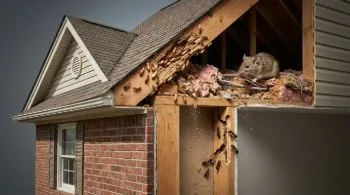
Most pest problems do not start with obvious signs. There is no sudden moment when a wall collapses or a floor gives way. Instead, damage happens quietly behind walls, beneath flooring, and inside attics, often long before homeowners realize anything is wrong. By the time pests are discovered, the hidden damage is usually already extensive.
Understanding how pests operate and what they affect beneath the surface helps explain why early intervention and professional pest control matter more than most people realize.
Why Pest Damage Often Goes Unnoticed
Pests are skilled at staying out of sight. Many destructive species, including termites, rodents, and carpenter ants, prefer dark and enclosed areas where human activity is minimal. Wall voids, crawl spaces, basements, and attic insulation provide ideal environments for nesting, feeding, and spreading without interruption.
Early warning signs are often subtle and easy to dismiss. Small wood shavings, faint scratching sounds at night, or minor cracks in walls may be mistaken for normal wear or seasonal changes. Cosmetic issues like peeling paint or warped trim can appear without homeowners realizing they may signal deeper structural or moisture-related pest activity beneath the surface.
According to a senior technician at AgilePests, this delayed discovery is one of the biggest reasons infestations cause long-term damage:
“Most homeowners don’t realize there’s a pest problem until the damage becomes visible. By that point, pests have often been active for months inside walls or insulation. What looks like a small issue on the surface is usually much larger underneath.”
Because infestations develop gradually, pests often spread throughout a property before they are detected. By the time visible signs appear, nests or colonies may already be established in multiple areas, increasing both the scope of damage and the complexity of treatment.
Structural Damage Caused by Common Household Pests
Structural damage is one of the most costly consequences of untreated pest infestations. Termites and carpenter ants are especially destructive, feeding on wooden beams, floor joists, and support frames from the inside out. This weakens the integrity of a structure while leaving surfaces looking largely intact.
Rodents introduce a different kind of threat. Mice and rats chew constantly to prevent their teeth from overgrowing. In the process, they damage insulation, wooden framing, plastic piping, and electrical wiring. Compromised insulation reduces energy efficiency, while exposed wiring increases the risk of electrical issues and fire hazards.
Over time, this continuous activity can weaken floors, walls, ceilings, and load bearing components. What begins as a hidden infestation can eventually result in sagging floors, cracked drywall, or costly structural repairs that could have been avoided with early detection.
Health Risks Linked to Long Term Pest Infestations
Beyond physical damage, pests pose serious health risks when infestations persist. Many pests carry bacteria, parasites, and pathogens that contaminate surfaces, air, and food storage areas. Rodent droppings, insect debris, and nesting materials contribute to declining indoor air quality.
Pest saliva, feces, and shed body parts can become airborne, triggering allergic reactions and respiratory issues. This is especially concerning for children, older adults, and individuals with asthma or weakened immune systems. Long term exposure can worsen chronic conditions and create ongoing health discomfort inside the home.
When infestations remain untreated, these health risks increase over time, often without clear warning signs, making proactive pest management essential for maintaining a safe and healthy living environment.
Electrical and Fire Hazards Created by Pests
Rodents are one of the most common causes of pest related electrical hazards. Mice and rats chew constantly, and electrical wiring is an easy target because it is often hidden behind walls, inside ceilings, and near warm appliances. When the protective coating around wires is damaged, the risk of short circuits, sparks, and overheating increases.
This danger is higher in areas homeowners rarely inspect, such as wall cavities, crawl spaces, attics, and electrical panels. If rodents nest near breaker boxes or inside insulation around wiring runs, the combination of exposed wires and dry nesting material can create a serious fire risk.
Pests can also damage appliances and HVAC systems. Rodents may chew through wiring harnesses, drain lines, or insulation around ductwork. Insects can clog components, contaminate condensate pans, or build nests near outdoor units. The result can be system failures, reduced efficiency, and expensive service calls that do not always reveal the underlying cause unless a pest inspection is part of the process.
Financial Impact of Delayed Pest Treatment
Delayed pest treatment often leads to costs that extend far beyond removing the pests. Repairs for structural damage, wiring replacement, insulation removal, and contaminated cleanup can add up quickly. In many cases, early professional treatment would have cost significantly less than restoring a home after months of hidden activity.
Insurance coverage is another issue. Many homeowners assume insurance will handle pest damage the same way it handles storm damage or sudden accidents. In reality, policies often limit or exclude damage caused by termites, rodents, and other pests because it is considered preventable maintenance. That means homeowners may end up paying out of pocket for repairs that could have been avoided with earlier intervention.
Long term property value can also decline when pest related damage is discovered during inspections for refinancing or home sales. Evidence of termites, recurring rodents, or repeated infestations can raise red flags, delay transactions, or reduce offers. Even when repairs are completed, a history of pest issues may still make buyers cautious.
Why DIY Solutions Fail Against Hidden Infestations
DIY pest control can help with minor problems, but it often fails when infestations are hidden. Many over the counter sprays, traps, and repellents only address what is visible. They may eliminate a few pests in the open while leaving the nest, colony, or entry points untouched.
Another limitation is reproduction. Many pests multiply quickly, and removing a small number does not stop the cycle. If eggs, larvae, or breeding sites remain active, the infestation continues even if activity seems reduced for a short time.
In some cases, DIY efforts can make the situation worse. Pests may shift deeper into walls or relocate to new areas of the home. Partial treatment can also lead to repeated cycles where the problem returns stronger, spreads wider, and becomes harder to control. Without proper identification, targeted treatment, and prevention steps, the root cause stays in place.
When Professional Pest Control Becomes Necessary
Professional help becomes necessary when there are signs that damage is already happening or when pests keep returning despite repeated attempts to stop them. Warning signs can include scratching or movement in walls, unexplained odors, droppings, chewed materials, damaged insulation, frequent sightings during daytime, or recurring activity in the same areas.
Inspections matter because they reveal what homeowners cannot see. A professional can identify entry points, nesting zones, moisture issues, and the specific pest species involved. This allows treatment to focus on the source, not just the symptoms, and it supports long term prevention instead of short term relief.