Viral TikTok Squirrel “Pip” Seized by Florida Wildlife Officials in Palm Beach
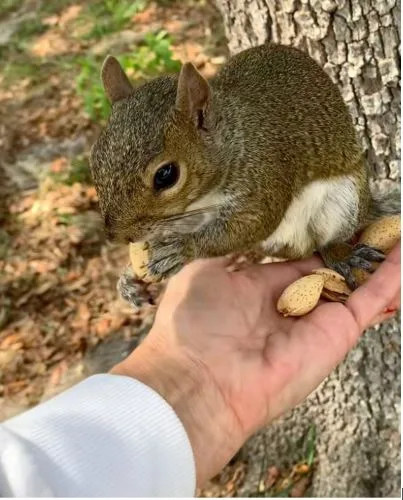
PALM BEACH, Fla., March 2, 2026 — Florida wildlife officials have seized a baby squirrel known online as “Pip” from a Palm Beach residence within the past several hours, in what appears to be the first public report of the enforcement action.
Pip the Baby Squirrel, featured on the TikTok account @pipthebabysquirrel, is owned by Cindi Jenkins. The account documents Pip’s rescue and daily care and has built a substantial social media following.
According to preliminary information, officers with the Florida Fish and Wildlife Conservation Commission (FWC) arrived at Jenkins’ home earlier today following a complaint alleging unlawful possession of native wildlife. Authorities have not yet released a detailed statement outlining the outcome of the seizure.
Florida Wildlife Law: Why Squirrels Are Regulated
Under Florida law, native wildlife species — including gray squirrels — are protected under state wildlife statutes and administrative code. The FWC regulates the possession, rehabilitation, and release of wild animals to:
- Protect native ecosystems
- Prevent illegal wildlife trade
- Limit human habituation of wild animals
- Reduce public health risks, including rabies exposure
Private individuals generally may not keep native wildlife as pets without proper authorization. To legally care for orphaned or injured wildlife, a person must obtain a wildlife rehabilitation permit from FWC. That licensing process includes facility inspections, species-specific training requirements, veterinary protocols, and strict release guidelines.
When a wild mammal has prolonged close contact with humans outside of licensed rehabilitation, agencies must evaluate the animal under rabies-control protocols. Because rabies vaccination is not approved for most wild mammals for legal release purposes, animals that have been kept in private homes often cannot be returned to the wild under state policy.
Wildlife officials historically maintain that once a wild squirrel is habituated to humans — especially from infancy — its survival odds in the wild decrease significantly, and release may violate regulatory standards.
At this time, FWC has not publicly confirmed whether Pip has been transferred, placed with a licensed facility, or euthanized. Officials have also not announced whether any administrative or criminal penalties will follow.
Comparisons to the New York “Peanut” Case
Online reaction to today’s events has been immediate, with many users referencing a similar high-profile enforcement case in New York involving Peanut the Squirrel and owner Mark Longo.
In that case, New York state wildlife authorities confiscated Peanut after determining the squirrel was being kept without proper wildlife authorization under state environmental conservation law. According to public reporting at the time, officials cited similar concerns: unlawful possession of native wildlife and rabies protocol requirements due to close human contact.
Peanut was subsequently euthanized after a seizure, sparking significant public backlash and widespread media coverage. Supporters of Longo argued that the squirrel had been rescued as a baby and posed no public threat. Wildlife officials, however, stated that enforcement decisions were governed by statute and public health regulations rather than individual circumstances.
The New York incident triggered debate nationwide over whether wildlife agencies should have greater discretion in cases involving social media-famous rescue animals, particularly when no bite incidents or public health exposures are reported.
Advocates for reform have called for:
- Sanctuary placement options
- Expanded rehabilitation exemptions
- Conditional lifetime captive permits
- Legislative review of rabies protocol policies
Wildlife regulators across states, however, consistently emphasize that possession laws exist to prevent larger systemic issues, including disease transmission, improper release, and normalization of wild animals as domestic pets.
What Happens Next
As of this report, this appears to be the first published account of today’s enforcement action in Palm Beach. FWC has not yet issued a comprehensive press statement.
It remains unclear:
- Whether Pip will be evaluated for transfer or testing
- Whether administrative penalties will be imposed
- Whether Jenkins will face citations or charges
This is a developing story. Updates will follow as official confirmation and additional details become available.
This article will be updated as new information is released.