How Long Does a Metal Roof Last? Insights from Roofing Experts
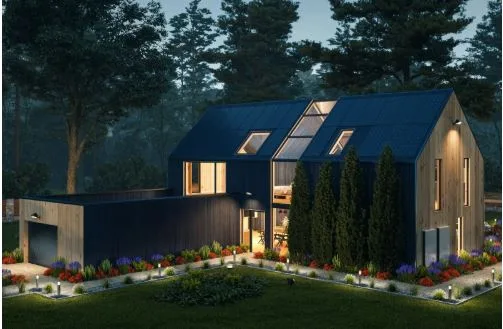
When homeowners ask, how long does a metal roof last, they’re usually comparing long-term value against traditional roofing materials. Metal roofing has grown in popularity over the past decade, especially in 2026, as more homeowners prioritize durability, energy efficiency, and reduced replacement cycles.
The short answer is that most metal roofs last 40 to 70 years, with premium materials exceeding that range. However, lifespan depends on material type, installation quality, environmental conditions, and ongoing maintenance. Understanding these factors helps homeowners make informed decisions about whether metal roofing is the right long-term investment.
Average Lifespan of a Metal Roof
Not all metal roofing systems perform the same. Material type plays a major role in durability.
Steel Roofing (Galvanized and Galvalume)
Steel is one of the most common metal roofing materials. When properly coated with protective finishes such as Galvalume or galvanized zinc coatings, steel roofs typically last 40 to 60 years.
Protective coatings prevent corrosion and help steel withstand rain, wind, and temperature fluctuations. Thicker gauge steel panels generally provide enhanced durability.
Aluminum Roofing
Aluminum roofs often last 40 to 70 years. Because aluminum naturally resists corrosion, it performs especially well in coastal environments where salt air can accelerate rust on other metals.
Aluminum’s lighter weight also makes it suitable for a wide range of residential structures.
Copper and Zinc Roofing
Premium materials such as copper and zinc can last 70 to 100 years or more. Over time, these metals develop a natural patina that enhances corrosion resistance and gives the roof a distinctive appearance.
While more expensive upfront, copper and zinc systems are known for exceptional longevity.
Standing Seam vs Metal Shingles
Standing seam systems typically outlast exposed fastener systems because the concealed fastening method reduces vulnerability to leaks and weather penetration. Metal shingles can still provide strong durability, but installation precision becomes even more critical.
How Metal Roofs Compare to Other Roofing Materials
To fully understand how long does a metal roof last, it helps to compare it to alternatives.
Asphalt Shingles
Standard asphalt shingles generally last 15 to 30 years, depending on climate and product quality. While more affordable initially, they require more frequent replacement over a homeowner’s lifetime.
Tile and Slate
Tile and slate roofs can last several decades and, in some cases, over 50 years. However, they are significantly heavier and may require structural reinforcement.
Long-Term Cost vs Longevity
Although metal roofs often carry a higher upfront cost, their extended lifespan means fewer replacement cycles. Over 40 to 70 years, the total ownership cost may be lower than replacing asphalt shingles multiple times.
What Factors Affect How Long a Metal Roof Lasts?
Material choice alone does not determine performance. Several external variables influence durability.
Installation Quality
Installation is one of the most critical factors affecting lifespan. Proper flashing, fastening systems, and underlayment placement prevent water intrusion and structural damage.
Homeowners frequently rely on experienced contractors such as Symplify Roofing to ensure panels, seams, and fasteners are installed according to manufacturer specifications. Even high-quality materials can fail prematurely if installation is not precise.
Climate and Environmental Exposure
Environmental conditions significantly impact longevity:
- Coastal regions increase corrosion risk
- Heavy rainfall tests drainage systems
- Snow loads add structural stress
- Extreme heat causes expansion and contraction
Proper ventilation and fastening systems help metal roofs adapt to temperature fluctuations.
Metal Gauge and Coating Systems
Thicker metal panels typically resist denting and structural stress better than thinner alternatives. Protective paint systems, such as high-performance PVDF finishes, resist fading and chalking.
Galvalume coatings often outperform basic galvanized coatings in long-term corrosion resistance.
Maintenance and Inspections
While metal roofs require less maintenance than many materials, periodic inspections remain important. Annual checks can identify:
- Loose fasteners
- Sealant wear
- Debris buildup
- Minor corrosion spots
Addressing small issues early extends lifespan significantly.
Warranties: What Homeowners Should Understand
Metal roofing warranties often include multiple components.
Paint Finish Warranties
These typically cover fading and chalking for a set period, often 20 to 40 years depending on product quality.
Manufacturer Structural Warranties
These warranties protect against defects in panel integrity and manufacturing flaws.
Workmanship Warranties
Beyond material coverage, contractor workmanship warranties protect against installation-related issues. In addition to manufacturer guarantees, reputable contractors such as Cobex Construction Group often provide workmanship coverage, adding another layer of long-term protection for homeowners.
Understanding the difference between material and installation warranties is essential when evaluating proposals.
Signs a Metal Roof May Need Repair or Replacement
Although metal roofs are highly durable, they are not immune to wear. Signs of concern may include:
- Visible rust or corrosion
- Loose or missing fasteners
- Panel separation
- Deteriorated sealants
- Storm damage
Routine inspections can identify minor repairs before they escalate into larger structural issues.
Is a Metal Roof Worth the Investment?
For many homeowners, the extended lifespan alone makes metal roofing appealing.
Long-Term Cost Savings
Because metal roofs last 40 to 70 years or more, homeowners may avoid multiple replacement cycles compared to asphalt shingles. Reduced maintenance and improved durability also lower long-term expenses.
Increased Home Value
Metal roofing is often viewed as a premium upgrade. Its durability, energy efficiency, and modern aesthetic can enhance resale appeal in competitive housing markets.
Final Thoughts
So, how long does a metal roof last? Most systems provide 40 to 70 years of reliable performance, with premium materials lasting even longer. However, material selection, environmental exposure, installation quality, and ongoing maintenance all influence actual lifespan.
For homeowners evaluating roofing options in 2026, metal roofing offers a compelling combination of durability, efficiency, and long-term value. With proper installation and periodic inspections, a metal roof can protect a home for decades while reducing the need for frequent replacements.