How to Design a Kitchen in 2026: A Complete Guide to Layout, Storage, Lighting & Remodeling Planning
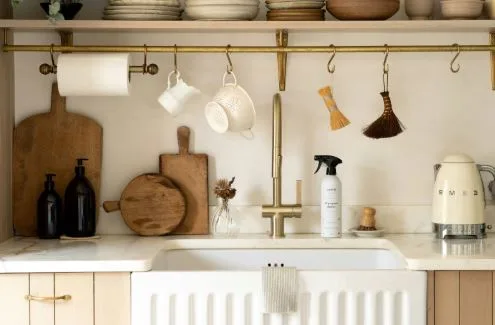
Designing a kitchen is one of the most important decisions homeowners make during a renovation or new build. If you’re wondering how to design a kitchen that is both beautiful and highly functional, the answer begins with thoughtful planning — not just selecting finishes.
In 2026, modern kitchens prioritize workflow efficiency, smart storage, layered lighting, and durable materials. Whether you’re updating a small space or planning a full remodel, understanding the fundamentals of kitchen design helps ensure your investment delivers long-term value.
Start with Function: Understanding Kitchen Layout Basics
Great kitchen design begins with function. Before choosing cabinets or countertops, focus on how the space will be used daily.
The Work Triangle and Modern Zoning
The traditional kitchen work triangle connects the sink, stove, and refrigerator. The goal is to create smooth movement between these three areas without obstruction.
In 2026, many designers use a more modern zoning approach:
- Prep zone
- Cooking zone
- Cleaning zone
- Storage zone
Zoning improves workflow, especially in households where multiple people use the kitchen simultaneously.
Popular Kitchen Layout Types
Your layout determines how efficiently the space functions.
- L-shaped kitchens maximize corner space and work well in open layouts.
- U-shaped kitchens provide ample counter space and defined work zones.
- Galley kitchens are efficient for smaller footprints.
- Open-concept kitchens with islands create gathering space and additional storage.
Each layout has advantages depending on square footage and lifestyle needs.
Designing for Space Size
Small kitchens require strategic planning. Consider:
- Tall cabinetry to maximize vertical storage
- Pull-out drawers instead of deep cabinets
- Slim-profile appliances
- Light colors to enhance openness
Efficient design matters more than square footage alone.
Storage Planning: Designing for Efficiency
A beautiful kitchen without adequate storage quickly becomes frustrating.
Base and Wall Cabinet Strategy
Cabinet configuration is one of the most critical design decisions. Choosing between drawers and doors, pull-out systems, and built-in organizers dramatically affects daily use.
Homeowners looking for layout inspiration often review examples of professional kitchen design projects to visualize how cabinetry can optimize both workflow and storage efficiency and consult with professionals like Kitchen Search.
Pantry Design
A pantry can take several forms:
- Walk-in pantry
- Cabinet-style pantry
- Pull-out pantry systems
The best option depends on available space and cooking habits.
Hidden Storage Solutions
Modern kitchen design incorporates:
- Appliance garages
- Pull-out trash and recycling systems
- Deep drawers for pots and pans
- Built-in spice storage
These features enhance usability without sacrificing visual appeal.
Choosing Materials and Finishes
Materials affect both aesthetics and durability.
Countertops
Popular options in 2026 include:
- Quartz for low maintenance
- Granite for natural variation
- Marble for luxury appeal
When selecting materials, balance style with durability and maintenance requirements.
Cabinet Finishes
Painted cabinets remain popular, while natural wood tones have regained attention in contemporary design. Matte finishes offer a softer appearance compared to high gloss.
Flooring
Common kitchen flooring choices include:
- Hardwood
- Porcelain tile
- Luxury vinyl plank
Durability and moisture resistance are key considerations.
Backsplash and Hardware
Backsplashes and cabinet hardware add personality to the space. Mixing textures and finishes can create visual interest without overwhelming the design.
Lighting Design: The Overlooked Essential
Lighting is often underestimated in kitchen design.
Layered Lighting Approach
Effective kitchen lighting includes:
- Ambient lighting for general illumination
- Task lighting for food prep areas
- Accent lighting for visual depth
Layering light ensures both function and atmosphere.
Under-Cabinet and Island Lighting
Under-cabinet lighting improves visibility for prep work. Pendant lights above islands create focal points while enhancing usability.
Budgeting Your Kitchen Design
Design decisions must align with financial planning.
Align Design with Remodel Scope
A cosmetic update differs significantly from a full renovation involving structural changes. Layout modifications, plumbing relocation, or wall removal increase cost.
When transitioning from concept to construction, working with experienced professionals in Capital Construction can help ensure that design plans align with structural realities and local building codes.
Prioritize Must-Have Features
Before finalizing plans, identify what matters most:
- Increased storage
- Larger island
- Premium appliances
- Open-concept layout
Clear priorities prevent budget creep.
Plan for Contingencies
Most remodels benefit from a 10–20% contingency fund to handle unexpected discoveries during demolition.
Common Kitchen Design Mistakes to Avoid
Even well-intentioned projects can encounter problems. Avoid:
- Ignoring workflow
- Insufficient lighting
- Overcrowding the space with oversized islands
- Poor outlet placement
- Prioritizing trends over functionality
A practical design approach prevents long-term frustration.
When to Hire a Professional Designer or Contractor
While some homeowners enjoy DIY planning, professional guidance becomes essential when:
- Structural walls are being removed
- Plumbing or electrical lines are relocated
- Permits are required
- Complex custom cabinetry is involved
Professional collaboration helps translate ideas into durable results.
Final Thoughts
Understanding how to design a kitchen begins with prioritizing function, storage efficiency, lighting, and material durability. A successful kitchen design balances daily usability with aesthetic appeal.
Whether planning a minor refresh or a full-scale remodel, thoughtful preparation leads to better long-term outcomes. By focusing on workflow, strategic storage, and realistic budgeting, homeowners can create a kitchen that supports both everyday life and future resale value.