How Group Entertainment Strengthens Family Bonds
Have you ever noticed how the best family memories often come with laughter, shared glances, and inside jokes born from doing something fun—together? Whether it’s a spontaneous movie night, an energetic game of charades, or a road trip to the Smoky Mountains, shared entertainment has a way of turning ordinary time into meaningful connection. In an era when screens compete for our attention and schedules never align, group entertainment might just be the secret weapon families need to stay close.
The Lost Art of Laughing Together
Families today are more scheduled than ever. Between school, work, extracurriculars, and endless to-do lists, it can feel like everyone is living parallel lives under one roof. Shared entertainment offers a rare chance to hit pause. It reintroduces joy into the daily routine, reminding family members that beyond the logistics and laundry, they’re actually supposed to like each other.
Whether it’s a game night fueled by competition or a Netflix comedy special that cracks everyone up, laughter acts like a glue. Research backs this up: laughter reduces stress hormones and boosts mood-enhancing endorphins. In short, when families laugh together, they’re investing in emotional wellness without even realizing it.
Live Shows and Lasting Impressions
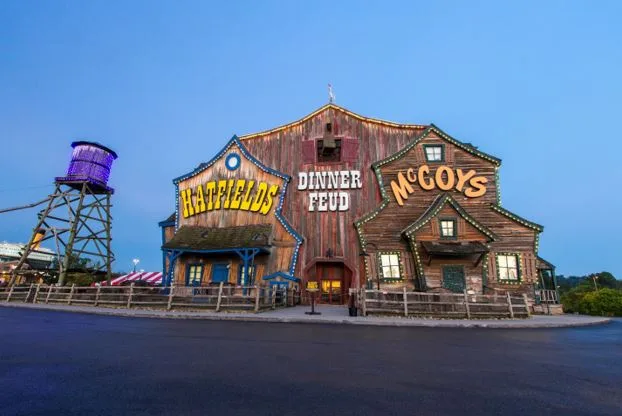
Digital streaming has its charm, but nothing beats live entertainment for its sheer energy and interactivity. One underrated way families can bond is through experiences like Smoky Mountain dinner shows, which combine theater, music, food, and outrageous fun all in one setting. The Hatfield & McCoy Dinner Feud, for example, pulls in audiences with slapstick comedy, stunts, and an all-you-can-eat Southern feast that could win over even the pickiest eater in the family.
Set in the heart of the Smoky Mountains, this dinner show brings a legendary Appalachian feud to life with plenty of laughs and even more fried chicken. Watching performers dive into a swimming hole or engage in over-the-top banter has a way of making parents and teens forget, just for a moment, how different they think they are. And when the night’s over, the jokes and one-liners come home with you—ready to be quoted at the dinner table for years.
Screens Don’t Have to Divide
Sure, screens often get the blame for family disconnection, and not without reason. Everyone’s had that moment when they’re trying to talk, and someone’s scrolling like their life depends on it. But when used right, screens can actually create a connection instead of crushing it.
Binge-watching a show as a family—yes, even if it’s a tween drama full of eye rolls—can open up surprisingly meaningful conversations. Shows that tackle identity, relationships, or even social justice themes can spark dialogue you wouldn’t otherwise initiate. The trick is watching together, not in separate corners with AirPods in. Make it an event, add popcorn, argue about plot holes, laugh at awkward scenes—this is shared culture in the making.
The Ritual of Traditions
Group entertainment doesn’t have to be flashy to be powerful. Think about the small rituals that quietly knit a family together over time: Sunday night movies, annual talent shows in the living room, or even watching the Super Bowl just for the commercials. These traditions offer a rhythm in an otherwise chaotic world.
When families create consistent entertainment habits, they give kids something to anticipate and remember. In fact, studies show that family rituals are linked to stronger emotional health and identity in children. Even if the “ritual” is just cringing at Dad’s karaoke, it matters.
Low-Stakes, High-Reward Activities
Not every bonding experience needs a ticket or a Wi-Fi connection. Board games, puzzles, and backyard games—these old-school activities are making a comeback, partly because they demand presence. Unlike digital entertainment that can be passively consumed, these require participation, cooperation, and the occasional dramatic accusation of cheating.
Family members learn things about each other in these low-stakes moments. Who’s secretly strategic? Who’s weirdly competitive about Uno? These insights might seem trivial, but they build intimacy. And in a time when everyone’s looking for meaningful connection, low-tech fun often delivers more than its high-tech counterparts.
The Power of Collective Emotion
Few things are more bonding than sharing an emotional journey, whether it’s the suspense of a mystery, the joy of a musical, or the devastation of a character’s heartbreak. Group entertainment aligns emotions in real time, creating unspoken connections.
At a concert, a play, or even a drive-in theater, the emotional experience is amplified when it’s shared. Kids see parents cry. Parents watch kids light up with laughter. These moments humanize each other. In a world where communication often happens through emojis or one-word texts, shared emotional experiences help us see—and feel—each other fully.
Entertainment as a Safe Zone
In families navigating stress—divorce, illness, or just the wear and tear of modern life—group entertainment can offer relief. It creates a neutral space where no one has to talk about problems, but everyone benefits from being together. That’s the quiet magic of a shared distraction: it brings people close without pressure.
It also re-establishes a sense of normalcy and togetherness when everything else feels unstable. Whether it’s a Disney marathon after a hard week or belting out karaoke when someone’s feeling low, entertainment acts as a pressure valve, releasing tension without needing a big conversation.
A Tool for Reconnection in a Disconnected Age
Here’s the irony: while we have more tools than ever to “stay connected,” families often feel more disconnected than generations past. Group entertainment offers a way to fight that drift. It interrupts the constant multitasking and reminds people that being present is different from just being in the same room.
When families intentionally create time for shared fun, they send a message: you matter, and this moment matters. That’s a powerful thing to say in a culture obsessed with productivity and individualism. And it’s often in these spaces—where everyone’s off their phone, engaged in the same story—that true reconnection begins.
Families don’t need grand vacations or expensive events to bond. Sometimes, all it takes is a live show in the Smokies, a corny movie night, or a rowdy game of Pictionary. What matters is the togetherness. Because in the end, it’s not just the jokes or the plot twists or even the fried chicken that families remember—it’s how they felt being with each other. And that’s the kind of memory that lasts a lifetime.