Hemp Protein Powder Benefits and Sinus Headache Relief: A Practical Guide
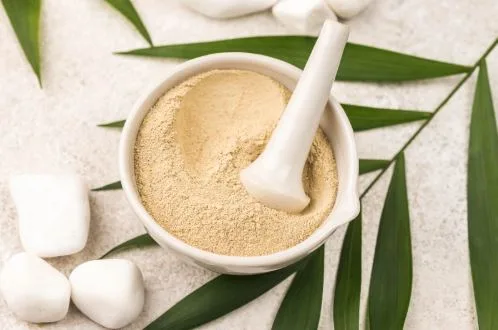
I used to start mornings with cereal and still felt flat by 10 a.m. Swapping in a hemp protein smoothie got me to 30 g before work.
At the same time, I stopped chasing “sinus headaches” with decongestants. Most were migraines, so the fixes were completely different.
Those changes lifted my daily energy and cut my headache days in half. Food swaps usually show up in one to two weeks, and gentle sinus care can help within 24 to 72 hours.
Key Takeaways
Use hemp to hit your protein target early, and treat facial pain based on whether it’s migraine or true sinus disease.
- Hemp protein adds nutrition fast. A 30 g serve delivers roughly 13 to 21 g protein and 2 to 6 g fibre, depending on brand. It contains all essential amino acids, with lysine usually the limiting one. Pair it with dairy, soy, or legumes to round out the profile.
- The fat profile supports heart health. Hemp has an omega-6 to omega-3 ratio near 3:1 and is rich in arginine, a nitric oxide precursor linked to modest blood pressure benefits.
- Most “sinus headaches” are migraine. Over 85% of people who self-diagnose sinus headache meet migraine criteria, so the wrong plan can delay relief for years.
- First-line sinus relief is low-tech. Large-volume saline irrigation plus an intranasal corticosteroid spray is the best-supported start. Limit topical decongestant sprays to three days.
- Track progress, not guesses. Hit your protein target, log symptom days, cap decongestant use, and use the SNOT-22 (Sino-Nasal Outcome Test) to decide when to escalate.
What Exactly Are We Solving?
Fixing breakfast protein and diagnosing facial pain correctly removes two daily drains on energy, focus, and mood.
Two common bottlenecks in Australia are low protein and fibre at breakfast, and treating facial pain with the wrong tools.
Hemp protein powder is milled from hulled hemp seeds. Per 100 g, the seeds provide about 31.6 g protein, 48.8 g fat, 8.7 g carbohydrate, and 553 kcal. Powdering concentrates protein and fibre while reducing fat. A typical Australian label lists about 13 g protein and 6 g fibre per 30 g serve.
Hemp seed foods have been legal in Australia since 2017. The flavour is nutty and earthy. Blend longer, or add banana and yoghurt, to soften the grit.
True sinus headache is uncommon and usually comes with infection signs like thick discoloured discharge, reduced smell, or fever. If facial pain also brings light sensitivity, sound sensitivity, or nausea, migraine is more likely. In the SAMS study, only 3% of self-diagnosed “sinus headache” cases were sinusitis.
3 Big Benefits of Hemp Protein In Everyday Wellness
Hemp works best as a consistent breakfast add-on that boosts protein, fibre, and micronutrients without a complicated meal plan.
Hemp isn’t magic, but it’s practical when you want a plant option that also adds fibre.
1. Reliable Protein and Fibre in One Scoop
A 30 g serve gives double-digit protein plus useful fibre, which helps satiety and steadier morning energy. Baseline needs are about 0.75 g/kg/day for women and 0.84 g/kg/day for men.
Use hemp to close the breakfast gap. Add 30 g to a smoothie with milk and oats, and you’ll land near 25 to 35 g total protein. Stir it into Greek yoghurt for a similar result.
2. Heart-Smart Fat Profile and Minerals
Hempseed oil tends to sit near a 3:1 omega-6 to omega-3 ratio, and the powder keeps a small amount of those fats. You also get minerals like magnesium, iron, and zinc.
Hemp is naturally high in arginine, an amino acid your body uses to make nitric oxide for blood vessel tone. The bigger win is substitution: using hemp in place of ultra-processed snacks supports a heart-smart pattern.
3. Digestible Plant Protein That Plays Well with Others
Hemp contains all essential amino acids, but lysine is usually the limiter. Its Protein Digestibility-Corrected Amino Acid Score (PDCAAS) ranges around 42% to 66%, depending on processing and fibre.
Make it easy on yourself: pair hemp with soy milk, dairy, eggs, or legumes somewhere in the day. For example, cook oats in soy milk, then mix in hemp and berries.
When Facial Pain Is Not Sinus: Distinguishing Migraine From Rhinosinusitis
Most facial pressure with migraine features won’t improve with sinus drugs, so a quick screen saves weeks of trial and error.
If your “sinus” pain comes with light or sound sensitivity, nausea, or one-sided throbbing, migraine is the leading suspect. Treating migraine like sinusitis usually fails, even when you feel congested.
Before you buy another spray, run these checks.
- Likely migraine: Throbbing pain, photophobia (light sensitivity) or phonophobia (sound sensitivity), nausea, clear discharge, weather or hormonal triggers, and sinus medicines don’t help.
- Likely acute rhinosinusitis: Facial pressure worse when bending forward, blocked nose, thick discoloured discharge, reduced smell, fever, or dental pain, usually after a virus.
- Red flags for urgent care: Eye swelling, vision changes, severe fever that persists, neurological signs, or one-sided symptoms with bleeding.
If migraine fits, talk with your GP about migraine-specific options like triptans, preventives, and trigger management. If sinusitis fits and you have no red flags, start saline irrigation and an intranasal steroid for one to two weeks before considering antibiotics.
If facial pressure and “sinus headaches” keep returning even after you’ve done the basics consistently—large-volume saline rinses with safe water, correct daily steroid spray technique, and avoiding rebound decongestants—it’s a sign the diagnosis may be off, not that you’re failing. In that case, book an evaluation with Bangalow Headache Clinic for effective treatment for sinus headache, focused on accurate diagnosis and non-drug options before surgery or long-term meds.
What To Do Daily (So You Actually Feel Better)
Build one repeatable breakfast and one repeatable sinus routine, then let consistency do the heavy lifting.
Smart Smoothies (2 Minutes)
Blend 30 g hemp protein with 250 to 300 mL milk or soy milk, fruit, and oats. Target 25 to 35 g protein and 6 to 10 g fibre. Blend 45 to 60 seconds, and use half a frozen banana for creaminess.
Protein Oats or Yoghurt Bowls
Stir 15 to 20 g hemp protein into warm oats or Greek yoghurt. Add berries and nuts for texture. If the flavour feels earthy, balance it with cinnamon or cocoa.
Baking and Batter Upgrades
Replace 10 to 20% of flour in pancakes, muffins, or breading with hemp protein. Start at 10% to keep rise and tenderness. Sift the powder to reduce clumps, and pair with eggs or soy milk for lysine.
Quick Comparison: Hemp vs Whey vs Pea
| Factor | Whey | Pea | Hemp
|
|---|---|---|---|
| Protein per 30 g | 22 to 27 g | 20 to 24 g | 13 to 21 g |
| Fibre per 30 g | 0 g | 0 to 2 g | 2 to 6 g |
| Omega-3 present | No | Minimal | Yes (ALA) |
| Limiting amino acid | None | Methionine | Lysine |
| Texture | Smooth, milky | Smooth, chalky | Earthy, nutty |
Buyer’s Guide: Choosing a Hemp Protein Powder
Prefer single-ingredient powders with clear sourcing. Check for 100% hemp protein, protein per 100 g, fibre per serve, and your preferred country of origin.
If you want a smoother, less gritty option, consider Vasse Valley’s hemp protein powder. It’s easy to blend into breakfast and doesn’t rely on added sweeteners.
First-Line Sinus Relief You Can Start At Home
For mild to moderate sinusitis, rinse first, spray second, and save decongestants and antibiotics for clear thresholds.
For non-severe sinus symptoms, large-volume saline irrigation plus a daily intranasal corticosteroid is the best-supported starting point.
- Use sterile, distilled, or boiled-then-cooled water only, never straight tap water.
- Mix isotonic saline, lean over the sink, and rinse both sides.
- Clean the device after every use and let it air-dry.
- Start once or twice daily for one to two weeks, then taper to symptom control.
For the steroid spray technique, tuck your chin and point the nozzle outward, away from the septum. Expect some benefit in days, with peak effect after several weeks.
The TGA warns that topical nasal decongestants shouldn’t be used for more than three days unless advised. Longer use can cause rebound congestion. Antibiotics aren’t needed for most acute rhinosinusitis. Consider them if symptoms last beyond 10 days or worsen after improving.
How To Track Results (2 To 6 Week Check-ins)
Tracking turns vague progress into clear decisions about whether to stay the course or step up care.
Set a daily protein target using the 0.75 to 0.84 g/kg/day baseline, higher if you train hard or are older. Log your grams for 14 days and aim for 25 to 30 g protein per main meal. When you’re choosing a powder, prioritise single-ingredient labels and local sourcing to keep it simple; if you prefer a smoother blend, consider Vasse Valley’s best hemp protein powder in Australia for an easy 30 g serve with no added sweeteners.
Record headache days, nasal blockage, discharge colour, and triggers like cold air, dust, smoke, or alcohol. If headaches match migraine, take that pattern to your GP and ask about acute and preventive options.
Track topical decongestant days and cap them at three. Use the SNOT-22 to score symptoms at baseline and again at two and six weeks.
Make This Work For You (Not Against You)
Simple rules, applied daily, beat perfect plans that you can’t sustain.
Keep meals basic and labels short. Use safe water for rinses, respect decongestant limits, and escalate care with red flags or stubborn symptoms.
Set up tomorrow’s scoop, boil water tonight, and schedule a two-week check-in reminder.