Vanlife vs. Traditional Travel: Why More People Are Choosing Adventure in a Van in 2026
Airports feel crowded. Hotel prices keep climbing. Popular destinations can feel more packed than memorable. The familiar rhythm of traditional travel—long security lines, tightly scheduled itineraries, and crowded attractions—has begun to lose its appeal for many travelers.
In 2026, a growing number of outdoor-minded travelers are stepping away from conventional tourism and choosing something different: vanlife.
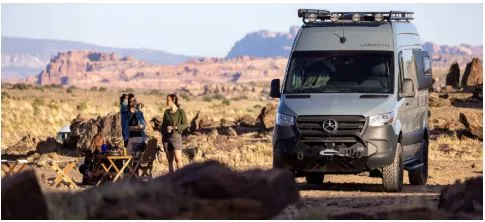
From high alpine towns in Colorado to the red rock deserts of Utah and the long stretches of the Pacific coastline, camper vans have become a modern basecamp for people who would rather wake up next to a trailhead than next to a hotel lobby.
The shift is not just a passing trend. It reflects broader changes in how people think about travel, freedom, and connection to nature.
The Growing Popularity of Vanlife
Over the past decade, vanlife has evolved from a niche lifestyle into a mainstream travel movement. Social media, remote work, and the growing popularity of outdoor recreation have all contributed to its rise.
According to the Outdoor Industry Association, outdoor recreation participation in the United States reached over 168 million participants in recent years, highlighting the increasing number of people seeking experiences outside traditional tourism structures.
Similarly, research from Statista shows that the global camper van and RV market continues to grow steadily, driven by travelers who prefer flexibility and self-contained travel options.
Remote work has also played a major role. A report by Gallup indicates that a significant portion of the modern workforce now operates in hybrid or fully remote environments. With work no longer tied to a single office location, many professionals are discovering that travel no longer needs to follow the traditional vacation model.
Instead of taking short trips between fixed destinations, people are turning to mobile living solutions that allow them to combine work, exploration, and outdoor adventure.
Vanlife sits perfectly at the intersection of these trends.
Flexibility Over Fixed Plans
Traditional travel runs on reservations.
Flights are booked months in advance. Hotels are secured weeks ahead. Dinner reservations are planned before the trip even begins. Once the schedule is locked in, changing plans becomes difficult—especially when flights, accommodation, and transportation are all interconnected.
If weather turns bad, if a location becomes overcrowded, or if a traveler simply wants to stay longer somewhere beautiful, the structure of traditional travel often makes that impossible.
Van travel operates on a completely different philosophy.
Instead of fixed schedules, vanlife encourages adaptability.
Storm clouds forming over mountain peaks might mean heading toward the desert instead. A crowded national park campground might lead to a quiet forest road a few miles away. A sunset that begs for one more night does not require a checkout time or a rushed departure.
For outdoor enthusiasts—hikers, climbers, skiers, paddlers, hunters, cyclists, and weekend explorers—this flexibility feels natural. Outdoor recreation has always depended on reading the landscape and adjusting plans based on weather, terrain, and opportunity.
Van travel simply extends that mindset to the entire journey.
The Rising Cost of Traditional Travel
Another reason vanlife is gaining traction is the increasing cost of traditional travel.
Hotel prices in many popular destinations have risen significantly in recent years. According to data from STR Global, average hotel rates in major tourist areas have increased steadily as demand has returned following the pandemic years.
Airfare has also remained volatile due to fuel costs, airline staffing issues, and fluctuating demand.
For travelers planning extended trips or frequent adventures, these costs add up quickly.
Vanlife offers a different economic model. While the initial investment in a camper van can be substantial, the long-term travel costs can be lower for many travelers.
Expenses shift from nightly hotel stays and flights toward fuel, occasional campgrounds, and vehicle maintenance.
For people who travel often—or those who combine work and travel—the financial equation begins to favor mobile living.
Comfort Has Evolved
Vanlife is no longer about roughing it.
In its early days, van travel often meant minimalist setups: a mattress in the back, a cooler for food, and a few camping supplies. While that simplicity still appeals to some travelers, the modern vanlife movement has evolved far beyond that.
Today’s camper vans feature thoughtful design, technology, and craftsmanship that rival small apartments on wheels.
Modern conversions commonly include:
- Insulated walls and ceilings for four-season travel
- Solar power systems for off-grid energy
- Lithium battery banks for extended stays
- Compact kitchen setups with sinks and induction cooktops
- Efficient storage for outdoor gear
- Convertible sleeping and seating areas
- Water systems for cooking and cleaning
The result is a travel environment that combines mobility with comfort.
Builders and van conversion specialists have pushed the quality of camper vans far beyond the early DIY setups that once defined vanlife. Many modern builds focus on durability, efficient use of space, and systems designed for extended travel. Companies like The Vansmith reflect this shift, creating vans that prioritize practical layouts, reliable power systems, and the kind of craftsmanship that supports long-term life on the road.
Their builds highlight a growing industry focus on reliability, four-season capability, and long-term usability—features that matter to travelers who plan to spend serious time on the road.
For people who appreciate dependable hiking boots, well-tuned bikes, and gear that performs season after season, that attention to detail resonates.
A Deeper Connection to Place
Perhaps the most meaningful difference between vanlife and traditional travel is proximity.
Traditional tourism often separates travelers from the environments they want to explore. Hotels are located in towns or tourist districts, while outdoor destinations may require additional driving each day.
This creates a daily cycle of commuting between the place you sleep and the place you want to explore.
Vanlife removes that separation.
Imagine waking up at a trailhead before first light. Brewing coffee while the air is still cold and quiet. Watching fog lift slowly off a valley or ocean shoreline.
Instead of driving from a hotel to the outdoors, the outdoors becomes home base.
You are already there.
Evenings end under wide skies and quiet landscapes rather than fluorescent lights and crowded lobbies.
Research published by organizations such as the National Park Service and Harvard Health Publishing has repeatedly shown that spending time in nature can reduce stress, improve mood, and increase overall well-being.
Vanlife naturally increases time spent in these environments.
Travelers move slower, spend more time outdoors, and experience landscapes not just as destinations but as temporary homes.
The Role of Remote Work and Digital Freedom
One of the biggest drivers behind vanlife’s continued growth is the rise of location-independent work.
Digital professionals, freelancers, remote employees, and entrepreneurs increasingly have the ability to work from anywhere with a stable internet connection.
According to research from Upwork, millions of professionals now work remotely in some capacity. This shift has opened the door to new travel lifestyles that were previously impossible.
A van equipped with power, internet connectivity, and a comfortable workspace becomes a mobile office with a changing view.
One week might be spent working near the mountains. The next near a coastline or desert landscape.
Instead of waiting for limited vacation time, travelers can integrate work and exploration into the same lifestyle.
Vanlife makes that possible.
Sustainability and Minimalism
Another aspect attracting modern travelers is the minimalist mindset that vanlife encourages.
Traditional tourism often involves high consumption: flights, hotels, large resorts, and constant spending.
Vanlife, by contrast, encourages simplicity.
Living in a small mobile space naturally limits unnecessary possessions. Travelers become more intentional about what they bring and how they travel.
Many vanlife setups also incorporate renewable energy systems, including solar panels and efficient power storage. While not completely impact-free, these systems reduce reliance on traditional infrastructure.
For travelers interested in sustainability, minimalism, and mindful travel, vanlife aligns closely with those values.
A Shift in How Travel Feels
In 2026, travel is evolving.
For many people, adventure is no longer about checking destinations off a list. It is about creating space to wander.
Rising travel costs, flexible work arrangements, and a growing cultural interest in outdoor recreation have all contributed to this shift.
Vanlife offers mobility, independence, and the freedom to follow curiosity rather than reservations.
It replaces rigid itineraries with open roads.
It replaces crowded hotel hallways with quiet trailheads.
And it replaces short visits with deeper experiences.
For many travelers, that freedom transforms a trip into something more meaningful.
Instead of simply passing through landscapes, vanlife allows people to live within them—even if only for a while.
The road becomes the route. The van becomes the basecamp. And the journey becomes the destination.