Heroin Dependence and the Road to Recovery: What You Need to Know
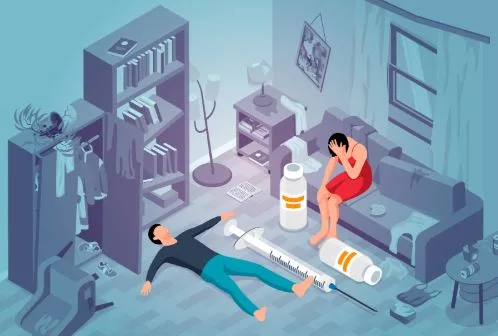
Heroin dependence is one of the most complex and physically demanding conditions a person can face.
It is also one of the most treatable when approached with the right clinical support, the right environment, and a genuine understanding of what recovery actually involves.
For too long, the stigma surrounding heroin use has kept people from seeking the help they deserve. This article is written to cut through that stigma, explain what heroin dependence really is, and offer a clear and compassionate guide to what professional treatment looks like for Australians ready to take the first step.
Understanding Heroin Dependence
Heroin belongs to the opioid family of drugs and works by binding to opioid receptors in the brain, triggering an intense release of dopamine and a powerful suppression of pain and anxiety.
The brain adapts rapidly to this chemical intervention. Within a relatively short period of regular use, the brain begins to rely on heroin to maintain what it perceives as normal function. Natural dopamine production diminishes. The capacity to experience pleasure, comfort, or emotional stability without the drug becomes significantly impaired.
This is physical dependence, and it is a neurological reality that exists independent of a person’s character, intelligence, or willpower.
When heroin use stops or is significantly reduced, the brain and body respond with withdrawal. Opioid withdrawal is genuinely physically and psychologically distressing. Muscle pain, nausea, sweating, insomnia, extreme anxiety, and powerful cravings are all part of a withdrawal experience that makes unassisted cessation extraordinarily difficult and, in some circumstances, medically dangerous.
This is why professional support is not just helpful for heroin dependence. For many people, it is essential.
Why Heroin Dependence Requires Specialist Care
Heroin dependence is not a condition that responds reliably to willpower or informal support alone.
The neurological changes that sustained opioid use creates in the brain’s reward and stress systems are profound and long-lasting. Even after the acute withdrawal phase resolves, the psychological pull of the drug, intensified by environmental triggers, emotional states, and deeply conditioned associations, remains powerful for months and often years into recovery.
Without structured clinical support, the relapse rate for heroin dependence is high. This is not a moral failure on the part of the individual. It is a predictable consequence of attempting to manage a complex neurological condition without the medical and therapeutic infrastructure that recovery genuinely requires.
Specialist rehabilitation services bring together medically supervised withdrawal management, evidence-based pharmacological support, psychological therapy, and structured relapse prevention planning into a coordinated program designed around the specific demands of opioid recovery.
This level of integrated, expert care produces meaningfully better outcomes than unassisted attempts at cessation, and it gives individuals the foundation from which lasting recovery becomes genuinely achievable.
If you or someone you love is ready to explore what specialist treatment for heroin dependence looks like, connecting with an experienced clinical team is the most important decision you can make. You can learn more about professional heroin rehab services through Arrow Health and speak with a team that brings genuine clinical expertise and deep compassion to every stage of the recovery process.
What Professional Heroin Rehabilitation Involves
Quality heroin rehabilitation begins with a thorough clinical assessment that examines the full picture of a person’s health, including the extent and duration of use, physical health status, mental health history, and personal circumstances.
This assessment informs a treatment plan tailored specifically to the individual rather than a generic protocol that treats every patient identically.
Medically supervised withdrawal is the first clinical phase for most patients. This involves careful monitoring and, where appropriate, pharmacological support to manage withdrawal symptoms safely and as comfortably as possible. Medications such as buprenorphine or methadone are commonly used as part of opioid substitution therapy, reducing the severity of withdrawal and the intensity of cravings while the brain begins its recovery process.
The psychological component of treatment is equally critical and often the most substantial part of a comprehensive program. Heroin dependence almost always exists alongside unresolved trauma, anxiety, depression, or other mental health conditions that contributed to and are sustained by drug use.
Cognitive behavioural therapy, trauma-informed counselling, and group therapeutic work all address these underlying dimensions in ways that make recovery more sustainable. Treating the dependence without addressing what drives it produces shorter-lived results.
Residential inpatient treatment is often the most effective setting for the early stages of heroin recovery. The structured environment, around-the-clock clinical support, and complete removal from the people, places, and triggers associated with use create the conditions in which the deepest and most durable recovery work can take place.
Supporting a Loved One Through Heroin Dependence
Watching someone you love struggle with heroin dependence is one of the most painful and exhausting experiences a family can go through.
It is important to understand that heroin dependence changes the way a person thinks, behaves, and prioritises everything in their life. Actions that feel like choices from the outside are driven by a neurological compulsion that genuine, professional treatment is designed to address.
Approaching conversations about seeking help with empathy rather than ultimatums, focusing on specific concerns rather than broad judgments, and offering practical support in finding and accessing treatment all make it more likely that a loved one will take that first step.
Family members supporting someone in recovery also benefit from their own support. Many rehabilitation programs include family therapy components that help rebuild trust, improve communication, and equip loved ones with the understanding they need to genuinely contribute to sustainable recovery.
Recovery Is Real and It Is Possible
People recover from heroin dependence every day in Australia. They go on to rebuild relationships, careers, and lives that are genuinely fulfilling in ways they may have stopped believing were possible during the darkest periods of their dependence.
Recovery is not a straight line. It involves setbacks, and those setbacks are part of the process rather than evidence that recovery cannot happen.
What makes the difference is access to the right clinical support, a treatment environment that addresses the full complexity of dependence, and the courage to keep going when the process is hard.
That courage is already present in anyone who is reading this and asking whether things could be different. The next step is simply making the call.
Help is available. Recovery is possible. And it is never too late to begin.