Key Features to Look for in a Stainless Steel Worktable
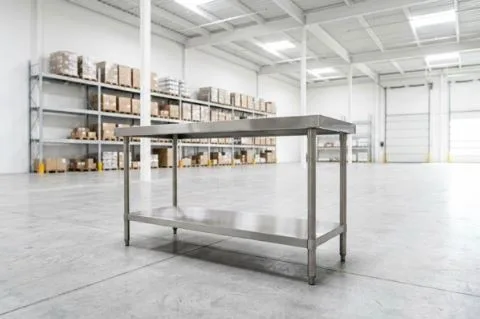
A stainless steel worktable is an essential piece of equipment in commercial kitchens, laboratories, workshops, and even home garages. Its durability, hygiene, and sleek appearance make it a preferred choice for environments where cleanliness and strength are priorities. However, not all stainless steel worktables are created equal, and choosing the right one requires careful attention to specific features.
Investing in a high-quality worktable can improve workflow, enhance safety, and ensure long-term performance. From the type of stainless steel used to the stability of its legs, every detail plays a role in its overall functionality. Understanding the key features to look for will help you make an informed decision that suits your space and operational needs.
Top Features Worth Noticing
When evaluating a Stainless Steel Worktable, it is important to focus on practical characteristics rather than just appearance or price. A well-designed table should offer strength, ease of maintenance, and adaptability to different tasks. These core qualities ensure that the table remains reliable even under demanding conditions.
Paying attention to construction details can save you from costly replacements or repairs in the future. Features such as reinforced corners, adjustable feet, and corrosion resistance directly impact performance. By examining each component carefully, you can select a worktable that meets both current and future requirements.
1. Material Grade
The grade of stainless steel used in a worktable determines its resistance to corrosion, rust, and staining. Common grades include 304 and 430 stainless steel, each offering different levels of durability. Grade 304 is widely preferred in commercial kitchens because it contains higher amounts of chromium and nickel, which enhance corrosion resistance.
If your work environment involves moisture, chemicals, or acidic substances, choosing a higher-grade material is crucial. Lower grades may be suitable for dry environments but might not withstand heavy exposure to liquids. Always check the manufacturer’s specifications to ensure the material grade aligns with your intended use.
2. Thickness and Gauge
Thickness, often measured in gauge, affects the strength and sturdiness of the worktable. A lower gauge number indicates thicker steel, which typically means greater durability. For heavy-duty applications, selecting a table with a lower gauge steel surface can prevent dents and warping.
Thicker steel also provides better support for heavy equipment and tools. While thinner steel may be more affordable, it might not handle continuous heavy use effectively. Balancing cost with durability is essential when evaluating thickness and gauge.
3. Load Capacity
Load capacity refers to the maximum weight a worktable can safely support. This feature is especially important in commercial settings where heavy appliances or bulk materials are placed on the table. Overloading a table can cause structural damage and compromise safety.
Manufacturers typically specify load limits, so reviewing these ratings is essential before purchase. Consider both static and dynamic loads, particularly if items will be frequently moved on the surface. Choosing a table with higher load capacity ensures reliability and reduces the risk of accidents.
4. Surface Finish
The surface finish of a stainless steel worktable impacts both aesthetics and functionality. A brushed or satin finish is common, offering a smooth texture that resists scratches and fingerprints. This type of finish also makes cleaning easier and maintains a professional appearance.
Polished finishes may look attractive but can show scratches more easily over time. Selecting a finish that balances appearance with practicality will help maintain the table’s condition. In environments requiring strict hygiene standards, smooth finishes are particularly beneficial.
5. Size and Dimensions
Choosing the correct size ensures the worktable fits comfortably within your available space. Measuring the area beforehand prevents issues with overcrowding or restricted movement. Adequate space around the table promotes better workflow and safety.
Consider both length and width, as well as height. Adjustable-height models can accommodate different users and tasks. Ensuring proper dimensions enhances efficiency and reduces strain during prolonged use.
6. Stability and Support
A stable worktable is essential for safe and efficient operations. Look for features such as reinforced legs, cross-bracing, and adjustable feet. These components help maintain balance, even on uneven floors.
Poor stability can lead to wobbling, which may disrupt precision tasks or cause accidents. High-quality support structures enhance durability and ensure the table remains firm under heavy loads. Investing in a well-supported design improves long-term performance.
7. Mobility Features
In dynamic work environments, mobility can be a valuable feature. Some stainless steel worktables come equipped with caster wheels for easy movement. Lockable casters provide flexibility without sacrificing stability.
Mobile tables allow for quick reconfiguration of workspace layouts. However, ensure that the wheels are heavy-duty and capable of supporting the table’s full load capacity. A balance between mobility and sturdiness is a key.
8. Undershelf Options
An undershelf adds extra storage space, making the worktable more functional. This feature allows you to keep tools, containers, or equipment within easy reach. It also helps maximize workspace efficiency without requiring additional furniture.
Adjustable or removable undershelves provide greater versatility. Depending on your needs, you may choose open shelving for quick access or reinforced shelves for heavier items. Evaluating storage requirements will help determine the best option.
9. Edge Design
Edge design plays a significant role in safety and cleanliness. Rounded or bullnose edges reduce the risk of injuries caused by sharp corners. They also make cleaning easier by preventing debris buildup.
Some tables feature raised edges or backsplashes to prevent spills from dripping onto the floor. This is particularly useful in kitchens or laboratories. Selecting an appropriate edge design enhances both safety and practicality.
10. Assembly and Installation
Ease of assembly should not be overlooked. Many stainless steel worktables are designed for straightforward installation with minimal tools required. Clear instructions ensure proper setup and structural stability.
When purchasing a branded product such as Heavy Duty Workbench Malaysia, it is important to review assembly guidelines and included components carefully. Proper installation guarantees optimal performance and long-term durability.
Why Go with 3D-Tube?
Choosing the right supplier is just as important as selecting the right product. 3D-Tube stands out as a trusted partner in LEAN manufacturing solutions, helping businesses create efficient and organized workspaces. With a strong focus on flexibility and innovation, the company designs solutions that adapt to evolving operational demands.
Committed to delivering high-quality systems, it prioritizes durability, smart design, and performance. Its approach centers on providing practical, efficient, and customizable solutions that support productivity at every level. By partnering with 3D-Tube, businesses gain a reliable ally dedicated to optimizing workspace efficiency and long-term success.
Conclusion
Selecting the right stainless steel worktable involves more than comparing prices. Each feature, from material grade to edge design, contributes to the table’s durability and functionality. Carefully assessing your specific needs will guide you toward the most suitable option.
By focusing on quality construction, appropriate dimensions, and practical features, you can invest in a worktable that supports productivity and safety. A thoughtfully chosen stainless steel worktable not only enhances efficiency but also delivers long-term value in any professional or personal workspace.