Factors that Actually Drive the Cost of a Cartridge Heater Malaysia
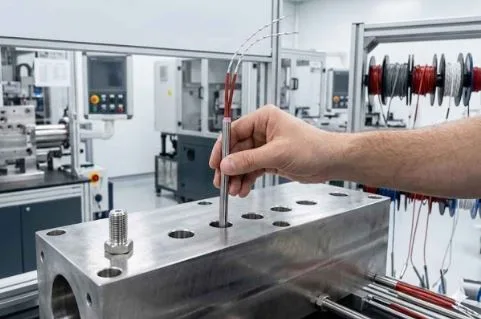
Understanding what determines the price of a cartridge heater is essential for businesses operating in manufacturing, packaging, plastics, food processing, and automation industries. When evaluating the cost of a Cartridge Heater Malaysia suppliers provide, many buyers focus only on the upfront price without considering the technical and performance variables that truly influence long-term value. A heater that seems affordable initially may lead to higher operational expenses if it fails prematurely or operates inefficiently.
In Malaysia’s growing industrial landscape, cartridge heaters are used in molds, dies, platens, and heating blocks where precise and consistent heat is required. The cost of a cartridge heater is not random; it is shaped by engineering decisions, material selection, manufacturing standards, and service support. Understanding these cost drivers helps procurement teams make informed decisions and choose a product that balances performance, durability, and investment.
Key Factors That Drive the Cost
1. Material Quality
Material quality plays a major role in determining price. High-grade stainless steel sheaths, premium nichrome resistance wires, and superior magnesium oxide insulation significantly increase manufacturing costs but deliver better heat transfer and durability. Inferior materials reduce cost but may lead to oxidation, corrosion, or early failure.
In Malaysia’s humid environment, corrosion resistance becomes especially important. A heater built with high-quality materials can withstand moisture exposure and chemical contact in industrial settings. As a result, better materials directly translate into higher pricing but also longer service life and improved reliability.
2. Watt Density
Watt density refers to the amount of power output per square inch of heating surface. Higher watt density heaters generate more heat in a smaller area, which requires advanced engineering and premium insulation to prevent burnout. These heaters typically cost more because they must be manufactured with greater precision and heat resistance.
Lower watt density heaters are generally more affordable but may require longer heating times. The selection depends on the application. Industries that require rapid heating cycles often choose high watt density models despite the higher price because productivity gains justify the investment.
3. Customization Needs
Standard cartridge heaters are less expensive because they are mass-produced. However, many industrial applications require customized solutions, including specific lengths, diameters, power ratings, or mounting configurations. Custom designs increase engineering time, setup costs, and production adjustments.
In Malaysia, many manufacturers request tailored specifications to match imported machinery or specialized molds. Customization adds to the cost of a Cartridge Heater Malaysia suppliers manufacture, but it ensures optimal performance and compatibility with existing systems.
4. Diameter and Length
The physical dimensions of a cartridge heater directly influence material usage and manufacturing complexity. Larger diameters and longer heaters require more raw material, which naturally increases cost. Precision drilling and assembly also become more demanding with extended lengths.
Small-diameter heaters, especially those used in compact molds, often require tighter tolerances and more intricate assembly processes. While they use less material, the precision required can raise their price. Therefore, both size extremes can influence pricing in different ways.
5. Temperature Rating
Heaters designed for higher maximum operating temperatures require advanced materials and reinforced insulation. A heater rated for 750°C will cost more than one designed for 300°C because it must withstand more thermal stress without degrading.
High-temperature applications in plastics, metal processing, or laboratory equipment demand specialized construction. Buyers evaluating a Cartridge Heater Malaysia manufacturers supply should carefully assess temperature requirements, as over-specifying temperature capability can unnecessarily raise costs.
6. Insulation Type
Insulation quality significantly affects performance and durability. Magnesium oxide (MgO) is commonly used due to its excellent thermal conductivity and electrical insulation properties. However, higher purity MgO increases cost because it enhances heat transfer and reduces internal hotspots.
Advanced insulation compaction techniques also add to the manufacturing expense. Properly compacted insulation improves heater lifespan and efficiency. While lower-grade insulation reduces upfront price, it may compromise reliability and safety.
7. Manufacturing Precision
Cartridge heaters require tight dimensional tolerances to ensure proper fit within drilled holes. High-precision manufacturing involves CNC machining, controlled compaction processes, and strict quality inspections. These processes increase production costs but result in better heat transfer and longer life.
Poorly manufactured heaters may have uneven heating elements or air gaps, leading to premature failure. In competitive markets like Malaysia, reputable suppliers invest in precision manufacturing, which is reflected in pricing but ensures consistent performance.
8. Voltage Requirements
Standard voltage heaters are more economical because they are widely produced. However, custom voltage requirements, such as specific industrial three-phase configurations or non-standard voltages, require additional engineering and testing.
Special voltage ratings also impact resistance wire design and insulation thickness. This customization adds complexity to production and therefore increases cost. Buyers must ensure voltage compatibility to avoid safety hazards and equipment damage.
9. Lead Wire Options
Lead wires connect the heater to the power supply and must withstand heat exposure. Basic fiberglass-insulated leads are affordable, but high-temperature Teflon, braided stainless steel, or armored lead wires cost more due to enhanced durability.
Industrial facilities often use multiple heating solutions together. For example, Band Heater Malaysia, a circular heating element designed to clamp tightly around cylindrical surfaces to provide direct and efficient heat transfer, may be installed alongside cartridge heaters in extrusion or molding systems, requiring similar durability standards in wiring and insulation.
10. Brand Reputation
Established brands with proven track records often charge higher prices. This premium reflects research and development investments, quality control standards, and product certifications. A well-known brand typically offers consistent quality and performance reliability.
While lesser-known brands may offer lower prices, buyers should evaluate warranty policies and product history. Paying slightly more for a trusted brand can reduce downtime risks and maintenance costs in the long term.
11. After-Sales Support
Technical assistance, warranty coverage, and replacement availability all contribute to cost. Suppliers that provide strong after-sales support often incorporate these services into pricing. However, this added cost offers peace of mind and quicker problem resolution.
In Malaysia’s fast-paced industrial sector, downtime can be expensive. A Cartridge Heater Malaysia supplier offering local technical support, quick replacements, and troubleshooting services provides additional value that justifies higher pricing.
HQ Heating as an Affordable Choice
HQ Heating Sdn. Bhd. has positioned itself as a reliable and cost-effective supplier of industrial heating solutions in Malaysia. By focusing on quality-controlled manufacturing processes and sourcing durable raw materials efficiently, the company is able to offer competitively priced cartridge heaters without compromising on essential performance standards.
The company emphasizes balancing affordability with durability, ensuring that customers receive products that deliver consistent heating performance and long service life. With responsive customer support and practical engineering guidance, HQ Heating Sdn. Bhd. provides value-driven solutions for businesses seeking dependable heating equipment within a reasonable budget.
Conclusion
The cost of a cartridge heater is influenced by far more than basic material expense. Material quality, watt density, customization, temperature rating, insulation, manufacturing precision, and brand reputation all play essential roles in determining pricing. Buyers who understand these factors can better assess value rather than focusing solely on the lowest quotation.
When evaluating options in Malaysia, it is important to consider total lifecycle cost, operational efficiency, and after-sales support. Investing in the right heater ensures durability, safety, and consistent performance. By understanding what truly drives pricing, businesses can confidently choose a solution that aligns with both technical requirements and long-term financial goals.