Cost Factors Influencing Universal Joint Coupling Malaysia
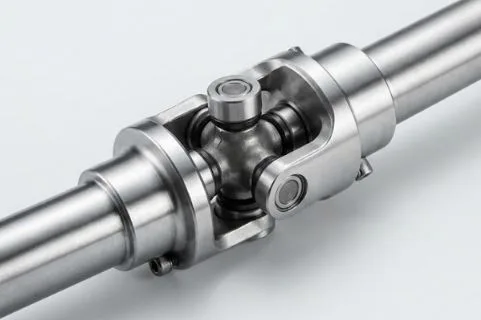
Universal joint couplings play a crucial role in transmitting torque and rotational motion between misaligned shafts in industrial and automotive systems. In Malaysia, these components are widely used in manufacturing plants, heavy machinery, marine applications, and automotive sectors where reliability and efficiency are essential. The cost of these components varies depending on technical specifications, industrial standards, and sourcing practices across different sectors.
Understanding the pricing structure of Universal Joint Coupling Malaysia helps businesses make informed purchasing decisions. Companies must balance quality, durability, and price to ensure long-term operational efficiency. By examining the main elements that affect pricing, buyers can identify cost-effective solutions without compromising performance or safety.
Key Cost Influencing Factors
Several interconnected elements determine the pricing of universal joint couplings in Malaysia. These include material selection, production methods, customization requirements, and external economic conditions. Each factor contributes differently depending on the intended application, compliance standards, and operational environment.
A comprehensive analysis of Universal Joint Coupling Malaysia pricing reveals that local manufacturing capabilities, import regulations, and supplier competition also shape overall costs. Businesses that understand these influences can better negotiate with vendors and optimize procurement strategies. Careful planning allows organizations to achieve both financial efficiency and mechanical reliability.
1. Material Quality
Material quality is one of the most significant factors affecting the cost of universal joint couplings. High-grade alloy steels, stainless steel, and specialized metals provide enhanced strength, corrosion resistance, and durability. These premium materials increase production costs but offer longer service life and improved operational stability.
In Malaysia’s humid and industrial environments, corrosion resistance becomes especially important. Industries operating in marine, chemical, or palm oil sectors often require treated or coated materials to prevent premature wear. Although higher-quality materials raise the initial investment, they reduce long-term repair and replacement expenses.
2. Manufacturing Technology
The technology used during manufacturing directly impacts product pricing. Advanced CNC machining, automated assembly lines, and precision balancing systems improve product consistency and durability. However, these technologies require significant capital investment, which can raise the final selling price.
Manufacturers in Malaysia that adopt international production standards may also incur certification and compliance costs. While these factors increase pricing, they enhance reliability and safety in demanding industrial applications. Buyers often prefer technologically advanced products for critical systems where failure could result in costly downtime.
3. Design Complexity
Design complexity significantly influences cost. Basic single-joint designs are typically more affordable than double-joint or high-angle configurations. Complex engineering requires more development time, specialized tooling, and detailed testing procedures.
Applications involving limited installation space or unique shaft alignments often demand customized engineering solutions. These specialized designs increase production costs due to additional research and development efforts. As complexity rises, so does the overall price of the coupling.
4. Load Capacity
Load capacity is a central pricing determinant. Couplings engineered to handle high torque and heavy mechanical stress must use stronger materials and reinforced structural components. These requirements increase manufacturing and quality testing expenses.
In Malaysia’s heavy industrial sectors, including construction and processing industries, high-load machinery is common. Components designed for such environments undergo rigorous stress testing to ensure safety and performance. As a result, high-capacity couplings are typically more expensive than standard-duty models.
5. Size Specifications
The size of a universal joint coupling directly affects material usage and machining time. Larger units require more raw materials and precise manufacturing to maintain balance and alignment. Increased size often leads to higher production costs.
Smaller couplings may seem less expensive, but precision requirements can also raise their price. Tight tolerances in compact machinery applications demand advanced machining processes. Therefore, both physical dimensions and accuracy standards shape pricing.
6. Customization Needs
Customization requirements can substantially increase total costs. Businesses may request specific bore sizes, keyways, surface treatments, or protective coatings to match equipment standards. Tailored production reduces economies of scale, making customized units more expensive than standard versions.
In industrial systems where universal joints operate alongside components such as Hydraulic Gear Pump Malaysia, compatibility becomes critical. Special design adjustments may be required to ensure smooth torque transmission and synchronized performance. These additional engineering efforts naturally raise the final product price.
7. Supply Chain
Supply chain conditions strongly influence product pricing. Raw material availability, transportation expenses, and international shipping rates can fluctuate, directly affecting manufacturing costs. Global disruptions may lead to delays and temporary price increases.
Manufacturers that depend on imported steel or specialized components are particularly sensitive to currency exchange rates. Stable supplier networks and efficient logistics help control costs. Businesses that establish long-term contracts with reliable suppliers may secure better pricing consistency.
8. Market Demand
Market demand plays a key role in determining prices across Malaysia’s industrial sectors. During periods of rapid economic growth, demand for mechanical components increases, which may lead to higher pricing due to limited supply. Conversely, slower industrial activity often encourages competitive discounts.
The pricing trend of Universal Joint Coupling Malaysia is closely linked to national infrastructure projects and manufacturing expansion. When new factories or industrial facilities are developed, component demand rises significantly. Understanding market cycles enables businesses to plan purchases strategically.
9. Maintenance Factors
Maintenance requirements influence both short-term and long-term financial considerations. Couplings designed for minimal lubrication and extended service intervals may cost more initially. However, reduced downtime and lower servicing frequency often offset the higher purchase price.
Frequent repairs or premature failures can increase total ownership costs substantially. Companies that prioritize durability and reliability typically experience fewer operational disruptions. Maintenance-friendly designs contribute to improved productivity and cost savings over time.
10. Distribution Channels
Distribution channels directly impact the final price paid by customers. Purchasing directly from manufacturers may reduce intermediary markups, while buying through distributors often includes added service benefits. Each layer within the supply chain contributes to the overall cost structure.
In the context of Universal Joint Coupling Malaysia, authorized distributors frequently provide technical consultation and warranty support. Although this may increase upfront costs slightly, it enhances after-sales reliability. Buyers must balance competitive pricing with service quality when selecting suppliers.
11. Installation Costs
Installation expenses are another factor influencing overall investment. Complex couplings may require skilled technicians and precise alignment procedures to function properly. Incorrect installation can lead to mechanical failure and additional repair costs.
Labor rates and technical expertise availability in Malaysia influence installation budgets. Some suppliers offer installation guidance or support services as part of the package. Choosing user-friendly designs can reduce labor time and lower overall project expenses.
Value Pricing at U-Li Auto Parts
U-Li Auto Parts & Service Sdn. Bhd. adopts a value-based pricing approach to ensure customers receive reliable universal joint couplings at competitive market rates. The company focuses on balancing product durability, performance standards, and affordability to serve both automotive workshops and industrial clients. By maintaining strong supplier partnerships and efficient inventory management, it minimizes unnecessary cost increases.
Through careful sourcing and quality control, the company ensures that customers benefit from consistent performance without excessive pricing. Technical consultation and after-sales support further enhance the overall value offered. This strategy allows clients to achieve long-term cost savings while maintaining operational efficiency and mechanical reliability.
Conclusion
The pricing of universal joint couplings in Malaysia depends on multiple technical and economic elements. Material quality, design complexity, manufacturing technology, and supply chain conditions collectively shape cost structures. Buyers must consider both immediate expenses and long-term operational value.
A careful evaluation of Universal Joint Coupling Malaysia ensures that businesses select products aligned with performance requirements and financial goals. While lower-priced options may appear attractive, investing in durable and well-engineered components often yields better efficiency and reliability. Strategic purchasing decisions ultimately support sustainable industrial growth and cost management.