Pros and Cons of Acrylic Bathtubs: What Every Homeowner Should Know
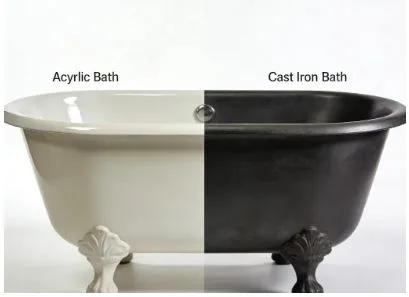
When it comes to remodeling your bathroom, one of the biggest decisions is choosing the right bathtub. Acrylic bathtubs have grown in popularity over the past decade, and for good reason—they’re lightweight, versatile, and come in a variety of shapes and sizes. But like anything else, they have their advantages and disadvantages. In this guide, we’ll break down everything you need to know before committing to acrylic bathtubs, from durability to design options, and even maintenance tips.
What Are Acrylic Bathtubs?
Before diving into the pros and cons, let’s take a moment to understand what acrylic bathtubs actually are. Simply put, these tubs are made from a type of plastic called acrylic, which is reinforced with fiberglass for added strength. This combination gives the tub a smooth, glossy finish that feels both modern and luxurious.
A Quick History of Acrylic Bathtubs
Acrylic bathtubs became popular in the 1970s as a lightweight alternative to cast iron or steel. Unlike traditional materials, acrylic allows for more creativity in bathtub shapes—think of those deep soaking tubs and sleek, modern designs you see in magazines today.
Common Styles and Sizes
From corner tubs to freestanding designs, acrylic bathtubs come in a variety of options. Standard tubs usually measure 60 inches in length, but many manufacturers offer custom sizes to fit small or oddly-shaped bathrooms. This flexibility is one reason they’re a favorite among interior designers and homeowners alike.
The Pros of Acrylic Bathtubs
Acrylic bathtubs have become a popular choice in modern bathrooms for a reason. They combine style, comfort, and practicality in a way that few other materials can. Let’s break down the main advantages in detail.
Lightweight and Easy to Install
One of the most obvious benefits of acrylic bathtubs is their light weight. Unlike heavy cast iron or stone tubs, acrylic versions are much easier to move and install. This can make a huge difference, especially in upstairs bathrooms where floor support is a concern. Homeowners often find that installation is quicker and less labor-intensive, which can save both time and money. For DIY enthusiasts, this also means you could even attempt a careful self-install, though professional help is always recommended for best results.
Variety of Shapes and Sizes
Acrylic is extremely versatile when it comes to design. Manufacturers can mold acrylic into a wide range of shapes—from traditional rectangular tubs to freestanding modern designs and corner tubs. This flexibility makes acrylic bathtubs ideal for bathrooms of all sizes, including small or oddly-shaped spaces. If you’re trying to maximize comfort in a compact area, an acrylic tub can often be customized to fit perfectly without compromising style.
Heat Retention and Comfort
Another reason people love acrylic bathtubs is that they retain heat better than some other materials. When you fill your tub with warm water, it stays cozy longer, letting you enjoy a relaxing soak without the water cooling too quickly. The smooth, non-porous surface also feels warm and pleasant to the touch, which adds to the overall comfort compared to steel or enamel tubs that can feel cold initially.
Easy to Clean and Maintain
Maintaining a clean and shiny bathtub is always a concern, and acrylic bathtubs make this task much easier. Their non-porous surface resists stains, mold, and mildew, meaning you don’t have to scrub aggressively. A gentle wipe with mild soap or a designated acrylic cleaner is usually all it takes to keep your tub looking brand new. This ease of maintenance is particularly appealing for busy households or anyone who wants a luxurious bath experience without spending hours cleaning.
Cost-Effective Choice
Compared to high-end materials like cast iron or stone, acrylic bathtubs are generally much more affordable. This makes them a practical choice for homeowners who want a stylish, functional bathroom without spending a fortune. While prices vary based on size and features, you can often find an acrylic tub that fits both your budget and design preferences. Plus, the combination of affordability and durability gives you good value for your investment over time.
Durability with Proper Care
While acrylic isn’t as hard as cast iron, it is surprisingly durable when cared for correctly. The fiberglass reinforcement adds strength and resilience, making it resistant to cracking under normal use. Small scratches can usually be polished out, keeping the tub looking smooth and shiny for years. For families, this durability paired with low maintenance makes acrylic bathtubs an attractive long-term choice.
The Cons of Acrylic Bathtubs
While acrylic bathtubs offer plenty of advantages, it’s only fair to look at the other side of the coin. No bathtub material is perfect, and acrylic is no exception. Understanding these potential downsides ahead of time can help you make a smarter, more realistic decision for your bathroom.
Prone to Scratching and Surface Marks
One of the most common complaints about acrylic bathtubs is that they can scratch more easily than harder materials. The surface is relatively soft, which means abrasive cleaners, rough sponges, or even sharp objects can leave visible marks.
The good news is that many light scratches can be buffed out with polishing compounds. However, deeper scratches may require professional repair. If you have children, pets, or frequently place hard objects in the tub, this is something worth considering.
Sensitive to Harsh Cleaning Chemicals
Acrylic bathtubs don’t react well to strong chemical cleaners. Products containing bleach, ammonia, or gritty particles can dull the finish and weaken the surface over time.
This means you’ll need to be more mindful about what you use for cleaning. While gentle cleaners aren’t difficult to find, some homeowners see this as an extra step compared to tougher materials that can tolerate stronger chemicals.
Not as Long-Lasting as Heavier Materials
Compared to cast iron or solid stone tubs, acrylic bathtubs generally have a shorter lifespan. With proper care, they can last many years, but they are more susceptible to wear over time.
For homeowners who want a “buy once, keep forever” bathtub, acrylic may not fully meet that expectation. It’s better viewed as a durable mid-range option rather than a generational investment.
Can Feel Less Solid Underfoot
Because acrylic bathtubs are lightweight, some models may feel slightly flexible when stepped into, especially if the subfloor isn’t perfectly level or well-supported.
While this flexing doesn’t usually indicate a structural problem, it can feel less solid compared to heavier tubs. Proper installation with a supportive base can reduce this issue, but it’s still something some users notice.
Color Can Fade Over Time
Extended exposure to strong sunlight or harsh cleaning agents can gradually affect the color of acrylic bathtubs. Whites may lose some brightness, and darker finishes can appear dull after many years.
Although this fading typically happens slowly, homeowners who value long-term appearance should be aware of this possibility.
Maintenance Tips for Acrylic Bathtubs
Keeping your acrylic bathtub in tip-top shape is easier than you might think. Here are some simple tips:
Use Mild Cleaners
Stick with non-abrasive, pH-neutral cleaners. Avoid bleach or ammonia-based products. A soft cloth or sponge is perfect for wiping down your tub.
Prevent Scratches
Use a rubber mat or bath rug if you’re concerned about scratches from shoes or toys. Avoid dropping heavy objects into the tub.
Repair Minor Scratches
For small scratches, a polishing kit designed for acrylic surfaces can work wonders. Follow the instructions carefully to restore the glossy finish.
Check Seals Regularly
If your acrylic tub is installed with a surround or integrated jets, inspect seals and caulking periodically. Re-caulking can prevent water damage and prolong the life of your tub.
Comparing Acrylic Bathtubs to Other Materials
It’s always helpful to see how acrylic stacks up against alternatives:
Acrylic vs. Cast Iron
l Weight: Acrylic wins—much easier to handle and install.
l Cost: Acrylic is more budget-friendly.
l Durability: Cast iron lasts longer and resists scratches.
l Heat Retention: Both are good, but acrylic keeps water warmer initially.
Acrylic vs. Fiberglass
l Durability: Fiberglass is cheaper but less sturdy.
l Maintenance: Acrylic is easier to clean and polish.
l Design Options: Acrylic offers more variety in shapes and finishes.
Acrylic vs. Stone or Marble
l Aesthetics: Stone looks luxurious and feels heavy and solid.
l Cost: Acrylic is far more affordable.
l Maintenance: Stone requires special cleaners; acrylic is low-maintenance.
Final Thoughts: Is an Acrylic Bathtub Right for You?
Acrylic bathtubs offer an excellent balance between affordability, style, and comfort. They’re perfect for homeowners who want a modern, easy-to-maintain tub without breaking the bank. While they aren’t as durable as cast iron or as heavy-duty as stone, the pros often outweigh the cons, especially in everyday residential settings.
Ultimately, the choice comes down to your priorities: if you want a lightweight, stylish, and versatile option that keeps your bathwater warm, acrylic bathtubs are a strong contender. Just remember to take care of your tub, avoid harsh chemicals, and you’ll enjoy a relaxing soak for many years to come.