Hurricane Season Is Coming: How to Protect Your Home’s Electrical System
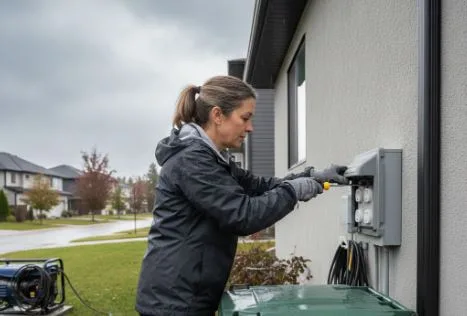
A full 80% of power outages nationwide stem from severe weather, with adverse conditions causing costly chaos for homeowners. When a major storm hits, your internal wiring faces intense pressure from fluctuating voltage and moisture intrusion. Preparing now helps you avoid the stress of a total system failure later.
Checking Ahead of Serious Storms
You should assess your panels before the first clouds gather. A new hurricane forecast warns of early dangers ahead for residents, making immediate action essential for your peace of mind. Being properly forewarned and aware of the potential dangers gives you the incentive to protect your devices and keep your family safe during outages.
Assessing Your Current Vulnerabilities
Start by inspecting your main electrical panel for signs of corrosion or exposed wiring. Water is the enemy of any electrical system, and even small amounts of moisture can lead to short circuits or dangerous fires. You might think your home is safe because it looks clean, but hidden issues linger behind the walls.
Surge protection is the most effective way to safeguard your appliances. By installing a whole-home surge protector, you stop transient voltage spikes from reaching your sensitive computers, televisions, and kitchen appliances.
Essential Steps For Storm Readiness
Taking proactive measures requires a systematic approach to your home infrastructure. You need a solid plan to ensure everything functions when the power grid becomes unstable. Keep these strategies in mind to maintain a reliable connection:
- Inspect all exterior electrical outlets for proper weatherproof covers
- Install a transfer switch if you plan to use a portable generator
- Document all major appliance model numbers for insurance purposes
Managing Power During An Emergency
If you live in a flood-prone area, you must know how to shut off power to your home before water reaches the electrical panels. Never attempt to touch a circuit breaker while standing in water or on a damp surface. Following these protocols minimizes your risk of electrocution significantly.
Smart homeowners realize that relying on a backup system is superior to waiting for repairs. Always consult a licensed professional to ensure your grounding systems meet local safety codes.
Securing Your Home Exterior
Windborne debris often causes significant damage to external electrical fixtures. You should verify that all outdoor outlet covers are rated for wet locations and are properly sealed. If you have security cameras or exterior wall lighting, ensure they are securely anchored to withstand high winds.
You must also address the landscaping around your service entrance. Trim any tree branches or heavy shrubbery that hang near your power lines. This reduces the chance of falling limbs snapping your service connection or damaging your meter box during a storm, and should be combined with other regular maintenance jobs to prevent additional issues.
Sustaining Long Term Electrical Reliability
Maintaining your electrical integrity provides a foundation for home safety throughout the year. Simple inspections often reveal hidden wiring defects that become hazardous during heavy rains. Stay ahead of the weather by verifying that your system remains in peak condition today.
Managing Essential Generator Safety
Using a backup generator provides a vital lifeline, but it creates serious risks if handled incorrectly. You must never operate a portable generator inside your home, basement, or attached garage. Proper ventilation is non-negotiable because generators produce carbon monoxide, an odorless and deadly gas.
Always connect your generator using a professionally installed transfer switch. This device prevents dangerous back-feeding, which sends electricity back onto the utility lines and can electrocute workers trying to restore the grid. Never attempt to plug a generator directly into a standard household wall outlet to bypass this requirement.
Also, for more coverage of news stories and weather events across the country, stay tuned to our site, where the latest reporting keeps you in the loop.