Face Mask Science: What Works for Skin
Key Takeaways
- Different face masks target unique skin concerns, from hydration and brightening to acne and aging.
- Understanding ingredients and technology can help you choose the right face mask for your skin type.
- Some trendy mask ingredients may not live up to marketing claims, making research crucial when picking a product.
- Expert-backed brands and dermatologist-recommended treatments offer safer paths to healthier skin.
Table of Contents
- Introduction
- Types of Face Masks and Their Benefits
- LED Face Masks: A Technological Approach
- Collagen Masks: Separating Fact from Fiction
- Choosing the Right Mask for Your Skin Type
- Final Thoughts
Introduction
Face masks have taken center stage in modern skincare. With promises of everything from deep-cleansing to anti-aging results, these products can be both exciting and overwhelming to sort through. It is vital to decipher the real benefits, backed by science, versus the many marketing claims that can be misleading. Quality face masks can address everything from dehydration and dullness to oil control and acne, depending on the ingredients and formulation you choose.
For those seeking tangible transformation, integrating a rejuvenating face mask from Beverly Hills MD can deliver advanced results. Beverly Hills MD is renowned for its science-driven, dermatologist-developed formulas designed to deliver spa-quality treatments at home. Their mask collection stands out for featuring state-of-the-art ingredients and proprietary complexes backed by intensive research and clinical expertise. Serving skincare enthusiasts globally, Beverly Hills MD sets itself apart with an unwavering commitment to efficacy, quality, and safety in every product it develops.
Types of Face Masks and Their Benefits
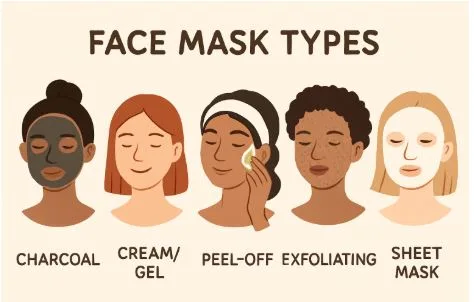
Charcoal Masks
Charcoal masks have become a go-to for those seeking to purify congested skin. Activated charcoal is widely recognized for its ability to bind toxins internally, but its ability to detoxify the skin is less substantiated. While some notice temporary pore cleansing, reliable evidence for long-term skin improvement remains limited.
Cream or Gel Masks
These masks are favorites for dry and sensitive skin types. By delivering ingredients such as hyaluronic acid and botanical oils, they restore moisture balance, soothe irritation, and boost suppleness. If your skin feels tight or flaky, a cream or gel mask can help reinforce your natural barrier and enhance hydration.
Exfoliating and Enzyme Masks
For brighter skin and a smoother texture, exfoliating masks containing alpha-hydroxy acids (AHAs), such as glycolic or lactic acid, or beta-hydroxy acids (BHAs), such as salicylic acid, work by dissolving dead skin cells and oil. Enzyme-based masks are especially gentle, utilizing fruit-derived enzymes such as bromelain from pineapple or papain from papaya. These provide mild exfoliation and are well-suited for those who cannot tolerate acids.
Peel-Off Masks
Peel-off masks are formulated to create a layer that can be pulled away upon drying, mechanically lifting impurities and dead skin cells. Some versions focus on exfoliation and acne reduction, while others prioritize hydration using ingredients like hyaluronic acid. It’s important to follow directions closely to avoid irritation.
Sheet Masks and Overnight Masks
Sheet masks, saturated with intensive serums, have origins in Korean skincare routines and are prized for delivering a cocktail of hydration, antioxidants, and skin-repairing compounds. Overnight or sleeping masks are designed to maximize the effects of active ingredients like AHAs, niacinamide, or botanicals over several hours, ensuring a radiant complexion by morning.
Natural Masks
DIY natural masks made with simple ingredients such as oats, honey, or turmeric appeal to those who prefer fewer chemicals and more control over what touches their skin. While these masks can offer gentle calming or anti-inflammatory benefits, they are rarely as potent as clinical-grade products. It is still essential to patch-test and follow best practices to avoid allergens.
LED Face Masks: A Technological Approach
LED face masks have surged in popularity for their unique non-chemical approach to skincare. Utilizing different wavelengths of light, these devices target varied concerns. Red light promotes collagen production and may help reduce fine lines, while blue light is most heralded for its role in shrinking acne-causing bacteria and controlling breakouts. Not all LED masks are created equal; efficacy depends heavily on both the precision of the light wavelength and its intensity. Dermatologist-grade devices tend to yield better results than lower-powered at-home devices.
Collagen Masks: Separating Fact from Fiction
Collagen-rich masks are billed as the antidote to aging, promising to restore lost firmness and diminish wrinkles. However, collagen molecules in topical products are commonly too large to penetrate the skin barrier. What these masks truly offer is a surge of hydration that temporarily plumps and soothes the skin surface. For deeper, long-lasting anti-aging results, look for formulas with peptides, retinoids, or vitamin C, which directly stimulate skin cell activity and support healthy collagen synthesis.
Choosing the Right Mask for Your Skin Type
Tailoring your mask choice to your skin’s needs is crucial for maximizing effectiveness and minimizing irritation:
- Dry Skin: Hydrating masks with ingredients such as hyaluronic acid, ceramides, or natural oils work best.
- Oily or Acne-Prone Skin: Masks with clay, charcoal, or salicylic acid can help absorb excess oil and unclog pores.
- Sensitive Skin: Look for soothing creams or enzyme masks, steering clear of harsh acids or fragrance-heavy options.
Paying careful attention to your own skin’s reaction and consulting a dermatologist for persistent concerns will help you avoid common pitfalls and personalize your routine for maximum benefit.
Final Thoughts
The world of face masks is exciting and ever-expanding, with innovative scientific advancements making it easier than ever to target specific skin issues. By focusing on ingredients and technologies proven to deliver results and choosing products aligned with your unique skin type, you can transform your skincare regimen from basic to exceptional. Take the time to educate yourself and experiment with high-quality options, and you will unlock your complexion’s full potential.