Why Professional Installation Makes All the Difference for Artificial Grass in Denver
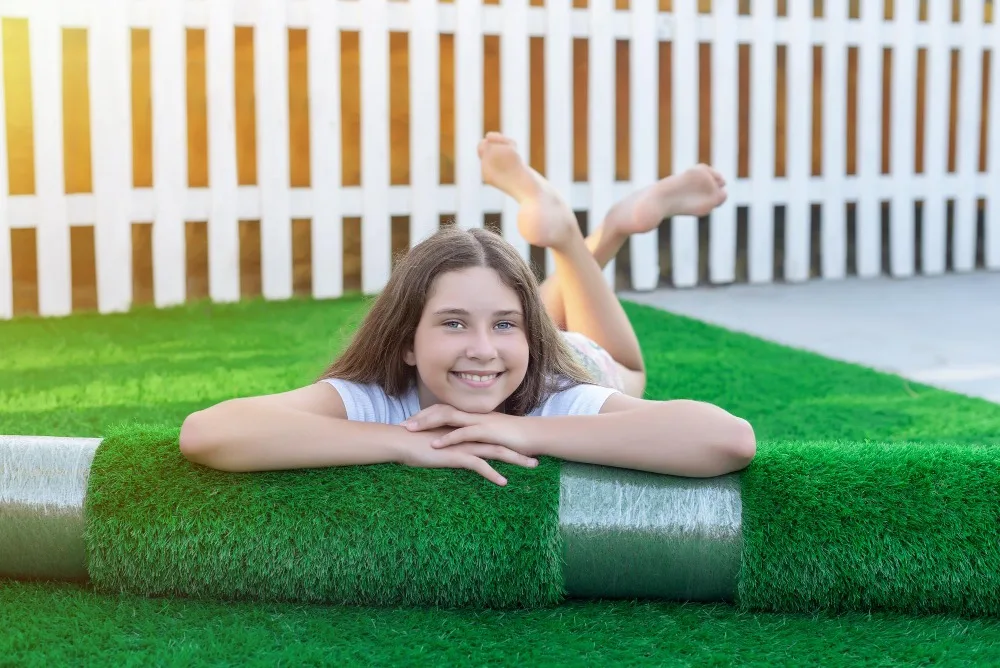
Replacing a natural lawn with synthetic turf sounds straightforward until you start digging into what a quality installation actually requires. Artificial grass in Denver usually involves local legislation, altitude-specific materials, engineered drainage systems, and licensing requirements that catch many property owners and DIY installers off guard. Getting it right from the start protects your investment, keeps you compliant with Colorado’s evolving regulations, and delivers a result that performs for 15 to 25 years. Here is what you need to know before your project begins.
Navigating Denver’s Legal Landscape
Colorado’s water conservation regulations have always made artificial turf an attractive option for Front Range homeowners looking to reduce irrigation. But the legal environment shifted significantly with the introduction of Colorado SB24-005, which prohibits “nonfunctional” artificial turf in new commercial developments and certain residential redevelopments. This legislation means that not all synthetic grass installations are automatically permitted, and the distinction between functional and nonfunctional turf is not always obvious.
A professional installer can officially certify whether your project qualifies as functional turf, which includes designated play areas, pet zones, and high-traffic recreation spaces. Without that certification, property owners face the risk of municipal fines and mandatory removal.
Beyond state legislation, Denver has its own layers of requirements. Many neighborhoods require formal pre-approval, permeable backing metrics, and specific sight triangle compliance before installation can begin. Homeowners association restrictions add another variable that varies by community. The City and County of Denver also requires that installers hold appropriate general contractor licenses through the Community Planning and Development office, and Denver does not accept reciprocal licenses from other Colorado counties or states. Installations that involve irrigation modifications or electrical components may require additional state-level plumbing or electrical licensing on top of the general contractor credential.
A professional handles the permits, the compliance documentation, and the functional use classification so that your project is legally protected from day one.
Engineering for High-Altitude Conditions
Denver sits at over 5,280 feet above sea level, and that elevation creates environmental stressors that standard synthetic turf products are not built to handle. UV radiation at altitude is approximately 25% stronger than at sea level. Inferior plastic materials exposed to that intensity can become brittle, faded, and chalky within two to three seasons, leaving you with a lawn that looks worse than what you replaced.
Professional installers address this with UV-stabilized polyethylene fibers and advanced cool-yarn technologies designed specifically for high-altitude sun exposure. Specialized cooling infills such as zeolite or acrylic-coated sand are applied during installation to actively manage surface temperatures. Without these materials, synthetic grass surfaces can reach 120 to 150 degrees Fahrenheit on hot summer days, creating a genuine hazard for bare feet and pets.
Colorado’s rapid temperature swings create a separate challenge. Temperatures that top 100 degrees Fahrenheit in summer can drop below zero in winter, and those freeze-thaw cycles stress the turf and the sub-base in ways that require both specialized installation techniques and properly engineered ground preparation to prevent heaving, buckling, and surface tearing over time.
Denver’s dry air also generates static electricity on synthetic fibers. Professional installers apply anti-static infills during the installation process, which is an important safety consideration for households with children and pets.
The Science of Drainage and Sub-Base Preparation
What sits underneath artificial grass determines how well it performs over its entire lifespan. This is the part of the installation that is most frequently cut short in DIY projects, and it is the part that matters most.
Denver’s native bentonite clay soil swells when wet and shrinks when dry, creating constant ground movement that can destabilize an improperly prepared base. Professional installation begins with compliance with 811 underground utility calling requirements before any excavation. Once the area is cleared, installers remove 2.5 to 4 inches of existing native material and replace it with 3 to 4 inches of compacted road-base made from crushed rock, crusher fines, or decomposed granite. This engineered sub-base prevents water pooling, controls runoff, and protects against the foundation water intrusion that can result from improper drainage near a structure.
According to Denver Water, landscape drainage and water management are critical components of responsible yard design in the Denver metro area, and permeable surfaces that direct water away from foundations are a core element of compliant xeriscape planning. A professionally installed permeable system can manage upwards of 28 inches of rain per hour, which means heavy spring storms and rapid snowmelt drain quickly rather than pooling on the surface or running toward the foundation.
For pet owners, drainage performance is even more critical. Professional installations for pet applications incorporate antimicrobial infills and fully perforated backing systems that facilitate rapid water movement and prevent urine from becoming trapped in the dry air. This engineering keeps the surface sanitary and odor-free in ways that standard residential turf products cannot match.
Financial Value and Warranty Protection
Professional installation of artificial grass in Denver typically runs from $8 to $15.60 per square foot for labor and materials. That upfront investment generally yields a full return within 5 to 7 years through the elimination of water bills, fertilizers, aeration services, and ongoing mowing costs.
Warranty protection is a significant financial consideration that many buyers overlook until it is too late. Premium turf manufacturers frequently require professional installation by a certified contractor as a condition of honoring their 15-year product warranties. A DIY installation may void that warranty entirely on the day the turf is rolled out, leaving the property owner fully responsible for any material defects regardless of how well the product performs.
Professional installers also have the local knowledge to help property owners maximize turf replacement rebates available through Denver Water and local municipalities, which can meaningfully reduce the net cost of the project.
The aesthetic difference between professional and DIY installation is also measurable in financial terms. Professionals use specialized equipment to create invisible S-shaped seams secured with industrial seaming tape and finished with mechanical brushing. This technique eliminates the visible ridge line, commonly called the mohawk effect, that is a hallmark of amateur installations. A seamless, natural-looking result enhances curb appeal and contributes to residential property value in ways that a visibly seamed DIY lawn does not.
Professional vs. DIY: The Five-Year Reality
The cost comparison between professional and DIY installation looks closer than it is when you only look at upfront numbers. DIY materials run $4 to $7 per square foot, which appears competitive until you account for what that approach typically produces over five years in Colorado’s climate.
DIY projects almost universally skip the heavy compaction phase due to lack of equipment access. Without proper compaction, drainage fails, surfaces wrinkle, and the turf heaves under freeze-thaw cycling. The typical lifespan of a DIY installation in Colorado is 3 to 5 years before remediation is required. A professional installation built on a properly engineered sub-base with UV-stabilized materials lasts 15 to 25 years.
The comparison comes down to this: DIY turf carries a high risk of code violations under new state legislation, carries no warranty protection, and requires ongoing maintenance to address seam failures and drainage problems. A professional installation is fully permitted, warranty-backed, and requires only occasional brushing to maintain performance. Doing the project correctly once costs significantly less than doing it twice.