Fixed Windows in Modern Architecture: A Simple Solution for Light and Design
Windows are a defining feature in both modern and traditional architecture. They influence how natural light enters a home, how rooms feel throughout the day, and how buildings connect with their surrounding environment. Among the many types of window solutions available today, fixed windows have become increasingly popular in contemporary homes and renovation projects.
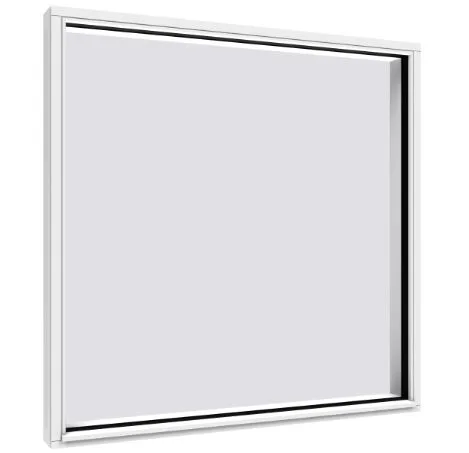
Unlike windows that open and close, fixed windows remain permanently sealed. Their main purpose is to provide unobstructed views and allow as much natural light as possible into a room. This simple design often makes them a practical choice in spaces where ventilation is not the primary requirement.
Homeowners and designers exploring different architectural options can review examples of Fixed windows to understand how fixed windows can be integrated into various building styles.
Maximizing Natural Light
One of the key advantages of fixed windows is their ability to maximize natural light. Because they do not require hinges, handles, or opening mechanisms, the glass area can often be larger and less interrupted by frames. This allows more daylight to enter the interior of a building.
Natural light plays a significant role in how a room feels. Bright spaces tend to feel more open and welcoming, while darker areas may appear smaller or less inviting. Fixed windows can help illuminate living rooms, staircases, kitchens, or hallways that might otherwise receive limited sunlight.
Architects frequently use fixed windows in areas where natural light is a priority but ventilation can be handled by other windows in the room.
A Clear Connection to the Outdoors
Another advantage of fixed windows is the clear view they provide. Without moving parts or thick framing, these windows can create a seamless visual connection between the inside of a home and the outside environment.
In homes located near scenic landscapes, gardens, or urban skylines, large fixed windows can frame these views like a picture. This design approach is often used in modern architecture, where large glass surfaces are incorporated to emphasize openness and connection with nature. For more insights on window solutions and architectural glass design, you can explore sparikkunat.fi, which offers information related to modern window styles and installations.
Even in urban homes, fixed windows can bring more daylight into interior spaces and enhance the overall sense of openness.
Combining Fixed Windows with Operable Windows
Although fixed windows do not open, they are often used in combination with other window types. For example, a large fixed window may be placed next to a smaller window that can open for ventilation.
This combination allows homeowners to enjoy both natural light and fresh air in the same room. Architects often design window arrangements where fixed windows provide the visual centerpiece, while operable windows handle airflow.
This approach offers flexibility in both design and functionality.
Design Flexibility for Modern Homes
Fixed windows are available in a wide range of shapes, sizes, and frame materials. Common frame options include wood, aluminum, and PVC. The choice of material often depends on the architectural style of the home and the preferences of the homeowner.
Because fixed windows do not need to accommodate opening mechanisms, they can also be produced in unique shapes such as triangles, circles, or large panoramic panels. This flexibility allows designers to create distinctive architectural features.
In modern homes, large fixed windows are often used to create glass walls or floor-to-ceiling installations that allow sunlight to flood interior spaces.
Fixed Windows in Renovation Projects
Many homeowners consider installing fixed windows during renovation projects. Older homes may have smaller windows that limit natural light. By replacing them with larger fixed windows, interior spaces can feel brighter and more open.
This type of upgrade can also modernize the appearance of a home while maintaining its original structure.
In attic spaces, stairwells, or hallways, fixed windows can introduce light into areas where traditional window designs might not fit easily.
A Practical and Elegant Window Choice
Fixed windows demonstrate how simple design can have a major impact on a building’s interior atmosphere. By focusing on light, views, and architectural simplicity, these windows offer both functional and visual benefits.
Whether used in new construction or renovation projects, fixed windows continue to be a popular choice for homeowners and architects who want to create bright, open spaces while maintaining a clean architectural design.