Key Features to Check before Buying a Digitrak Compatible Sonde
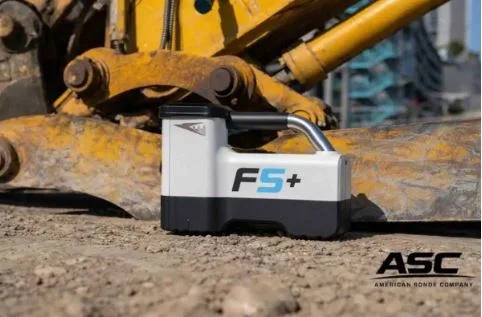
When working in horizontal directional drilling (HDD), a reliable sonde is essential for accurate underground tracking. A Digitrak compatible sonde plays a critical role in transmitting location and depth information from the drill head to the locator system. Because HDD projects often involve complex underground conditions, choosing the right sonde ensures efficiency, accuracy, and safety throughout the drilling process.
However, not all sondes offer the same level of performance or compatibility. Buyers should carefully evaluate several features before making a purchase to ensure the device works smoothly with their tracking system. Understanding the key technical specifications and functional features can help professionals select a Digitrak Compatible Sonde that delivers reliable performance on the job site.
Compatibility with Digitrak Systems
The first and most important feature to verify is whether the sonde is fully compatible with Digitrak locating systems. Compatibility ensures that the transmitter can communicate properly with the locator and provide accurate data readings.
Many drilling companies rely on Digitrak systems for underground tracking. A compatible sonde must be able to transmit signals that the Digitrak locator can interpret without interference. When evaluating compatibility, buyers should check:
- Supported Digitrak locator models
- Signal frequency compatibility
- Communication stability between the sonde and receiver
- Firmware or technology support
Ensuring compatibility avoids costly delays and prevents inaccurate tracking during drilling operations.
Signal Strength and Frequency Options
Signal strength is another critical factor when selecting a Digitrak Compatible Sonde. Strong signals allow the locator to detect the sonde even at greater depths or in difficult ground conditions.
Different frequencies are designed for different soil types and drilling environments. A good sonde should provide stable signal transmission that remains consistent throughout the drilling process. Key frequency considerations include:
- Low frequencies for deeper drilling operations
- High frequencies for shallow drilling
- Resistance to signal interference
- Stable signal output in wet or mineral-rich soil
Choosing the right frequency range ensures that operators can track the drill head accurately in various underground conditions.
Battery Life and Power Efficiency
Battery life directly affects productivity during drilling projects. A sonde with poor battery performance may require frequent replacements, causing delays and interruptions on the job site.
High-quality sondes are designed with energy-efficient components that extend operational time. Long battery life is especially important during long drilling sessions where stopping to replace batteries can slow down progress.
Important battery features to consider include:
- Average operating hours per battery cycle
- Type of batteries required
- Easy battery replacement mechanism
- Low power consumption technology
Selecting a sonde with reliable battery performance helps maintain continuous operation and reduces downtime.
Durability and Construction Quality
Drilling environments are extremely harsh, with constant exposure to vibration, pressure, moisture, and dirt. A durable sonde must be able to withstand these conditions without losing functionality.
Manufacturers typically design sondes using strong materials such as reinforced metal or high-grade industrial plastics. The construction quality determines how well the device performs under heavy-duty drilling conditions.
Durability features to look for include:
- Shock-resistant housing
- Waterproof or moisture-resistant design
- Heat resistance during drilling
- Protection against dust and debris
A rugged sonde ensures long-term reliability and reduces the need for frequent replacements.
Size and Drill Head Compatibility
Another important consideration is the size of the sonde and its compatibility with different drill heads. HDD equipment comes in various sizes, and the sonde must fit properly inside the drill head housing.
A poorly sized sonde may cause installation issues or interfere with drilling performance. Before purchasing, buyers should confirm the exact dimensions and ensure that the transmitter fits securely in the drill head.
Factors related to size compatibility include:
- Sonde diameter
- Length of the transmitter
- Mounting compatibility with drill head housings
- Weight and balance considerations
Proper sizing ensures that the sonde integrates seamlessly with existing drilling equipment.
Accuracy and Tracking Performance
Accuracy is the main reason sondes are used in HDD operations. A high-quality Digitrak compatible sonde should deliver precise location and depth data throughout the drilling process.
Accurate tracking allows operators to avoid underground utilities, follow planned drilling paths, and maintain project safety. Modern sondes use advanced signal technology to improve tracking precision.
Important performance indicators include:
- Depth accuracy
- Pitch and roll measurement accuracy
- Stable signal transmission
- Minimal signal distortion
Reliable tracking performance helps reduce errors and ensures successful project completion.
Ease of Installation and Maintenance
Ease of use is another factor that professionals should consider when buying a sonde. A well-designed sonde should be simple to install, operate, and maintain.
Quick installation allows operators to prepare drilling equipment faster and start projects without unnecessary delays. Additionally, minimal maintenance requirements reduce long-term operational costs.
Key convenience features include:
- Simple battery replacement process
- Easy installation in the drill head
- Minimal calibration requirements
- User-friendly design
Choosing a sonde that is easy to handle improves overall operational efficiency.
Temperature and Environmental Resistance
Drilling operations often expose equipment to extreme environmental conditions. Temperature fluctuations, moisture, and underground pressure can affect electronic components if they are not designed for industrial environments.
A high-quality digitrak sonde should be capable of operating reliably in both hot and cold environments. Environmental resistance ensures consistent performance regardless of the drilling location.
Important environmental protection features include:
- High temperature tolerance
- Cold weather operational capability
- Sealed electronics to prevent moisture damage
- Protection against underground pressure
These features help maintain stable performance during challenging drilling projects.
Cost vs Long-Term Value
Price is always an important factor when purchasing drilling equipment, but it should not be the only consideration. A cheaper sonde may initially save money but could lead to frequent failures or inaccurate tracking.
Instead of focusing only on price, buyers should evaluate the long-term value offered by the sonde. A reliable device may cost more upfront but will provide better durability, accuracy, and performance over time.
Factors that influence long-term value include:
- Build quality and durability
- Battery efficiency
- Accuracy and signal reliability
- Warranty and manufacturer support
Investing in a high-quality sonde ultimately reduces operational costs and improves project efficiency.
Why ASC Is Worth Considering?
When exploring reliable options for Digitrak compatible sondes, American Sonde Company (ASC) is often considered by many HDD professionals. The company focuses on manufacturing high-quality sondes that meet the demands of modern directional drilling projects. Their equipment is designed to deliver consistent signal transmission and dependable tracking performance. This helps operators maintain accuracy during underground drilling operations.
American Sonde Company places strong emphasis on durability, precision, and system compatibility. Many of their sondes are engineered to work smoothly with Digitrak locating systems while providing strong signal output. They are also built with rugged construction to handle harsh drilling environments. Because of this reliability and performance, it is a trusted option for contractors seeking dependable tracking solutions.
Closing Remarks
Selecting the right Digitrak Compatible Sonde is essential for successful horizontal directional drilling operations. The device must provide reliable signal transmission, accurate tracking, and durable construction to perform effectively in challenging underground conditions.
By carefully evaluating factors such as compatibility, signal strength, battery life, durability, size, and environmental resistance, buyers can make informed purchasing decisions. A well-chosen sonde not only enhances drilling accuracy but also improves productivity and reduces equipment downtime, making it a valuable investment for any HDD professional.