Why More People Are Using AI Hair Design Before Changing Their Hair
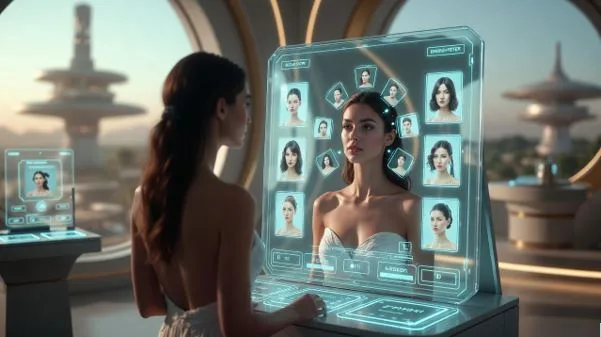
Changing your hair should be exciting, but for a lot of people, it feels risky first.
A haircut can change how your face looks, how much time you spend styling in the morning, and even how confident you feel walking into work or showing up in photos. The problem is that most hairstyle decisions still start the same way: saving a few pictures, guessing what might work, and hoping the final result feels right in real life.
That is why ai hair design is starting to matter more. It gives people a way to test ideas before they commit, especially when the change is significant, like cutting bangs, losing length, or trying a shape that frames the face very differently.
This is not really about replacing stylists or turning hair into a tech gimmick. It is about making a very personal decision feel a little less uncertain.
Looking at Hairstyle Photos Is Helpful, but It Has Limits
Most people do not walk into a salon with no idea at all. They usually have screenshots, saved posts, or a few reference images ready to go.
That helps, but only to a point.
A hairstyle that looks balanced on one person can look completely different on someone else. Face shape, forehead height, jawline, hair density, and texture all change the way a cut reads. Even something as simple as fringe placement can make one face look softer and another look heavier.
That is where ai hair design becomes more useful than ordinary photo browsing. Instead of only collecting inspiration, people can start comparing what different styles might look like on their own features.
That shift matters. It turns a vague idea into something more visual and much easier to judge.
People Want Fewer Surprises
One reason digital hairstyling tools are growing is simple: most people want fewer surprises.
Hair is not like trying on a jacket and returning it later. Once it is cut, it takes time to grow back. That makes many people cautious, even when they are ready for a change.
A preview tool helps reduce that hesitation. It lets users test the general direction of a look before making it real. They can see whether a style feels too heavy, too flat, too short, or more flattering than expected.
Sometimes the most useful result is not finding the perfect haircut right away. It is ruling out the wrong ones early.
The Best Part Is Not Endless Experimenting
People often assume these tools are mostly for playing around with lots of dramatic looks. That can be part of the appeal, but it is not usually the most practical part.
In real life, the biggest value often comes from narrowing things down.
Instead of trying every hairstyle in existence, users can compare a few options that are actually relevant: softer or blunter fringe, shorter or longer shape around the face, more volume or less, cleaner lines or more movement. Those are the differences that tend to matter during a real haircut decision.
Good ai hair design is useful because it helps people see those differences sooner, before the salon visit rather than during it.
Why Facial Mapping Makes the Preview More Useful
Not all digital hairstyle previews feel equally helpful. A random overlay might be fun, but it does not always help someone decide what actually suits them.
That is why facial analysis for better hairstyle choices adds real value. When a preview is guided by visible facial structure rather than just pasted onto a photo, the result feels more relevant.
That could mean looking at overall proportions, the way width sits around the cheeks, how the forehead reads with bangs, or whether a certain length helps balance the face better. It does not mean software can decide personal style for someone. It just means the suggestions are not completely blind.
And that makes the tool more useful as a decision aid, not just a visual effect.
What People Actually Want From AI Hair Design
Most users are not asking for something overly technical. They want something simple that helps them make a better choice.
In practice, that usually means a few things:
A preview that feels believable
It does not have to be perfect, but it should be realistic enough to compare the overall shape of a style.
Clear differences between options
If every preview looks almost the same, it is hard to learn anything. The best tools make changes easy to notice.
A faster way to narrow choices
Most people do not need more options. They need a better short list.
Better communication with a stylist
A digital preview is helpful because it gives people something specific to point to. That can make salon conversations much clearer.
More confidence before making a change
For many users, this is the biggest benefit of all. Seeing possibilities on their own face makes the next step feel easier.
It Fits the Way People Make Decisions Now
This trend is not happening in isolation. People already expect to preview and compare things online before they commit, whether they are buying glasses, choosing paint colors, or testing beauty products.
Hair is now part of that same behavior.
People do not just want inspiration anymore. They want something more personal. They want to know what might work for them, not only what looks good on someone else.
That is a big reason ai hair design feels timely. It matches the way people already make decisions in other parts of daily life: compare first, narrow the options, then move forward with more confidence.
A Preview Still Needs Real-World Judgment
Even the best tool has limits.
Real hair changes with texture, density, humidity, styling habits, and the skill of the person cutting it. A digital preview can point someone in the right direction, but it cannot fully predict how a haircut will behave every day.
That is why the healthiest way to use ai hair design is to treat it as guidance, not a guarantee.
Used that way, it becomes much more valuable. It helps people show up with a clearer idea, and then a stylist can shape that idea into something realistic.
That is far better than guessing from memory or pointing to a celebrity photo that may not translate well at all.
Why This Category Will Keep Growing
Digital hairstyling is likely to keep expanding for one basic reason: it solves a real problem.
People want to experiment without committing too fast. They want a clearer sense of what suits them. They want a better starting point before they sit in a salon chair.
As tools improve, users will probably expect more realistic texture handling, better comparisons, and smoother ways to test shape, length, and styling direction. But even now, the main benefit is already easy to see: ai hair design helps turn uncertainty into a more manageable decision.
Where Tools Like FaceHair Fit
The tools that will stand out in this space are probably the ones that keep things simple and genuinely useful.
Most people are not looking for something complicated. They want something fast, visual, and easy to understand. They want to compare options, save references, and feel more prepared before making a change.
That is where FaceHair virtual hairstyle preview fits naturally. It speaks to the growing demand for tools that make hairstyle decisions feel more personal, more visual, and less stressful.
Final Thoughts
A hairstyle change will probably never feel completely risk-free, especially when the cut is a big one. But it does not have to feel like a blind guess either.
That is the real appeal of ai hair design. It gives people a way to explore ideas before they commit, rule out options that do not feel right, and walk into a salon with a stronger sense of what they want.
When used with realistic expectations and professional input, it becomes more than a novelty. It becomes a practical step in making a better decision.