Electric vs Manual Hospital Beds: A Practical Guide for Hospital Buyers and Distributors
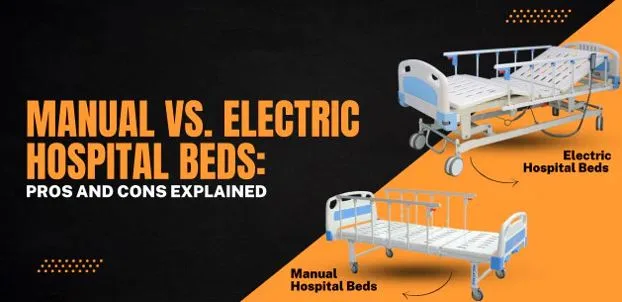
Hospital beds are essential equipment in modern healthcare facilities. For hospitals, clinics, and medical equipment distributors, choosing the right type of bed can improve patient comfort, caregiver efficiency, and overall treatment quality.
Today, medical buyers usually choose between electric hospital beds and manual hospital beds, depending on the needs of the facility and the patient population. Working with a reliable hospital beds supplier is also important to ensure long-term product quality and supply stability.
Understanding Electric Hospital Beds
An electric hospital bed uses motors to adjust the height, head section, and leg section through remote controls or buttons. This allows caregivers and patients to change positions easily without manual effort.
Hospitals and distributors looking for professional manufacturers can explore this category here:
electric hospital bed manufacturer
Electric beds are widely used in ICU units, rehabilitation departments, and long-term care wards.
Key Advantages of Electric Hospital Beds
1. Easy Position Adjustment
Electric beds allow precise adjustment of the head, foot, and height positions. This helps improve patient comfort and supports medical treatment.
2. Reduced Caregiver Strain
Motorized adjustments reduce the physical effort required from nurses and caregivers. Studies show electric beds significantly reduce muscle fatigue during repositioning tasks.
3. Improved Patient Safety
Modern electric beds include safety functions such as side rails, emergency stop buttons, and smooth motion controls to reduce fall risks.
Because of these advantages, electric beds are commonly used for patients who require frequent repositioning or long-term medical care.
When Manual Hospital Beds Are the Right Choice
Despite the popularity of electric beds, manual hospital beds still play an important role in many healthcare environments. These beds use hand cranks to adjust the head, foot, or height positions.
Distributors or hospitals searching for cost-effective options can explore:
manual hospital bed
Benefits of Manual Hospital Beds
1. Cost-Effective Solution
Manual beds are significantly cheaper than electric models, making them suitable for facilities with limited budgets.
2. No Electricity Required
Since manual beds operate mechanically, they can function during power outages or in locations with unstable electricity supply.
3. Simple Maintenance
Manual beds have fewer electronic components. This reduces maintenance requirements and improves durability.
Manual beds are commonly used in:
- general hospital wards
- emergency shelters
- temporary medical facilities
- home care environments
For wholesalers serving emerging markets, manual beds are often a practical and affordable product line.
Why Choosing the Right Hospital Bed Supplier Matters
Whether purchasing electric or manual beds, working with an experienced manufacturer is critical. A professional supplier ensures product quality, certification, and long-term service.
If you are sourcing medical beds for hospitals or distribution networks, you can explore a wide range of options here: hospital beds supplier
Choosing the Best Bed for Your Market
When selecting hospital beds, buyers should consider several key factors:
- Patient needs
- Budget considerations
- Facility type
- Maintenance capacity