Independent Digital Platforms Expand Space for Grassroots Storytelling in India
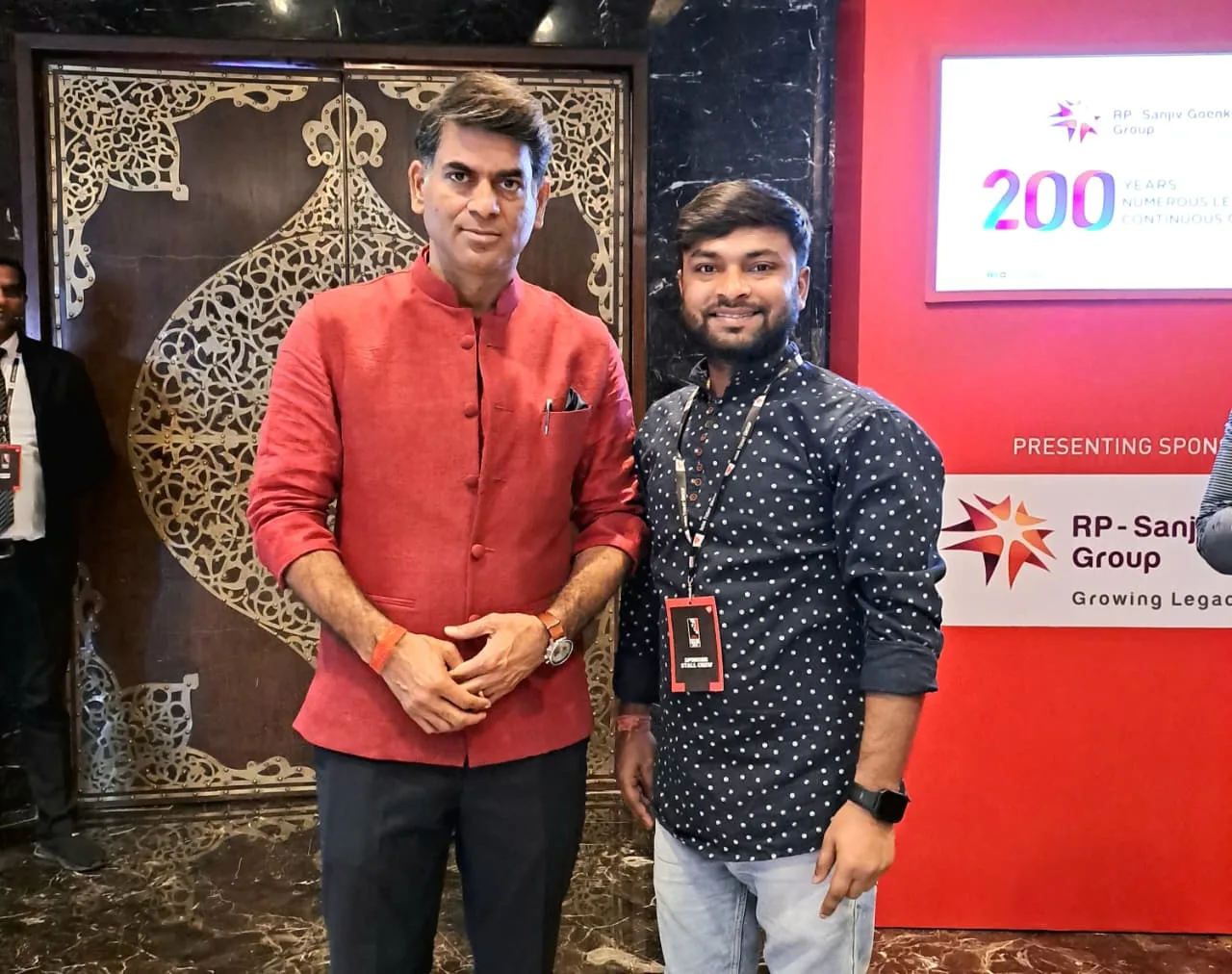
NEW DELHI, Mar 13 2026 (IPS) — As India’s digital ecosystem continues to expand rapidly, independent media platforms are increasingly emerging as alternative spaces for grassroots storytelling, highlighting social development challenges and community perspectives that often receive limited attention in mainstream national coverage.
India today has one of the world’s largest online populations. According to the Internet and Mobile Association of India (IAMAI), the country has crossed 850 million internet users, while smartphone penetration continues to grow, particularly in semi-urban and rural regions. This shift is transforming how citizens access information and how journalists distribute news.
Media researchers say the expansion of digital access has created opportunities for smaller, independent initiatives to contribute to development journalism—reporting that focuses on social change, inequality, education, livelihoods and public policy impacts at the community level.
“Digital technology has lowered the barriers for new publishers,” said Dr. Ananya Mehta, a media researcher based in New Delhi who studies emerging journalism platforms.
“Independent platforms are increasingly documenting local experiences and development challenges that may not always receive consistent attention from larger national media organizations.”
Growth of Independent Storytelling Platforms
One example is The Trending People, a digital storytelling initiative launched in New Delhi in 2021 by photographer and media entrepreneur Sheru. The platform combines written reporting with visual storytelling to explore social issues, cultural developments and community narratives from across India.
Sheru, who previously worked extensively in documentary photography, said the project grew out of a desire to go beyond individual images and create deeper narratives about everyday social realities.
“Photography often captures moments,” Sheru said in an interview. “But storytelling allows us to explore the social context behind those moments—how communities live, what challenges they face and how they respond to change.”
The initiative operates through a small network of journalists, writers and contributors, encouraging both professional reporters and citizen storytellers to participate. Contributors submit articles, opinion pieces and photo essays covering topics such as local development initiatives, rural livelihoods, education access and grassroots social movements.
Digital Media and Development Reporting
Experts note that the rise of independent platforms aligns with a broader global shift toward digital-first journalism. Research by the Reuters Institute for the Study of Journalism shows that online platforms have become a primary news source for younger audiences in many countries, including India.
In India, this shift is particularly visible among people under 35, who increasingly rely on smartphones and social media for daily news consumption.
According to a 2024 Reuters Digital News Report, more than 60 percent of Indian news consumers access news primarily through digital platforms, compared to less than 25 percent a decade earlier.
Media analysts say this transition has created new opportunities for community-focused reporting.
“Independent digital platforms can help diversify the media ecosystem,” said Ravi Menon, a media policy analyst who researches the economics of online journalism.
“They often focus on local development issues—such as access to education, healthcare disparities or rural economic change—that might not receive sustained coverage in national news cycles.”
Challenges of Sustainability and Credibility
Despite these opportunities, experts caution that independent platforms face significant structural challenges.
Maintaining editorial standards, ensuring reliable fact-checking and securing sustainable funding are common concerns for small digital media projects operating outside established newsroom structures.
“Digital journalism creates space for new voices, but sustainability remains one of the biggest challenges,” Menon said.
“Independent outlets must balance open participation with strong editorial processes if they want to build long-term credibility.”
Funding models for independent media often rely on a mix of donations, grants, partnerships and limited advertising—approaches that can make long-term operations uncertain.
Expanding the Media Landscape
Even with these challenges, observers say independent initiatives are gradually reshaping the media landscape by broadening the range of stories that reach public audiences.
By documenting local experiences and human-centred narratives, smaller digital platforms can provide additional insight into how social and economic changes affect communities across diverse regions of India.
As India’s digital media environment continues to evolve, analysts believe grassroots storytelling initiatives could play an increasingly important role in highlighting development issues and amplifying voices that might otherwise remain unheard.